Supplements
The “Supplements” category covers articles about vitamins, minerals, and other dietary supplements, providing information on their benefits, uses, and how they support overall health.

Does Ashwagandha Improve Thyroid Health?
Ashwagandha is often promoted as a natural remedy for thyroid problems, yet for some individuals it might actually be detrimental. Here we explore the evidence and explain the nuances. Known commonly as Indian ginseng or winter cherry, ashwagandha is a potent medicinal plant (1). The root extract is the part most frequently used and is available in capsules, tinctures, and powders. (img by dr.vegan) Classified as an adaptogen, ashwagandha is…
What’s the Difference Between Turmeric and Curcumin?
Turmeric, a staple in curries and many Asian dishes, contains the compound curcumin. Research has demonstrated health advantages when turmeric products with elevated curcumin concentrations, or curcumin by itself, are used. Because of its bright yellow hue, turmeric is sometimes referred to as Indian saffron. Additionally, its long history in traditional remedies has sparked considerable interest in its potential health effects. This article examines the advantages and main distinctions between…
5 Best Fish Oil Supplements to Boost Your Omega-3s for 2025, According to Dietitians
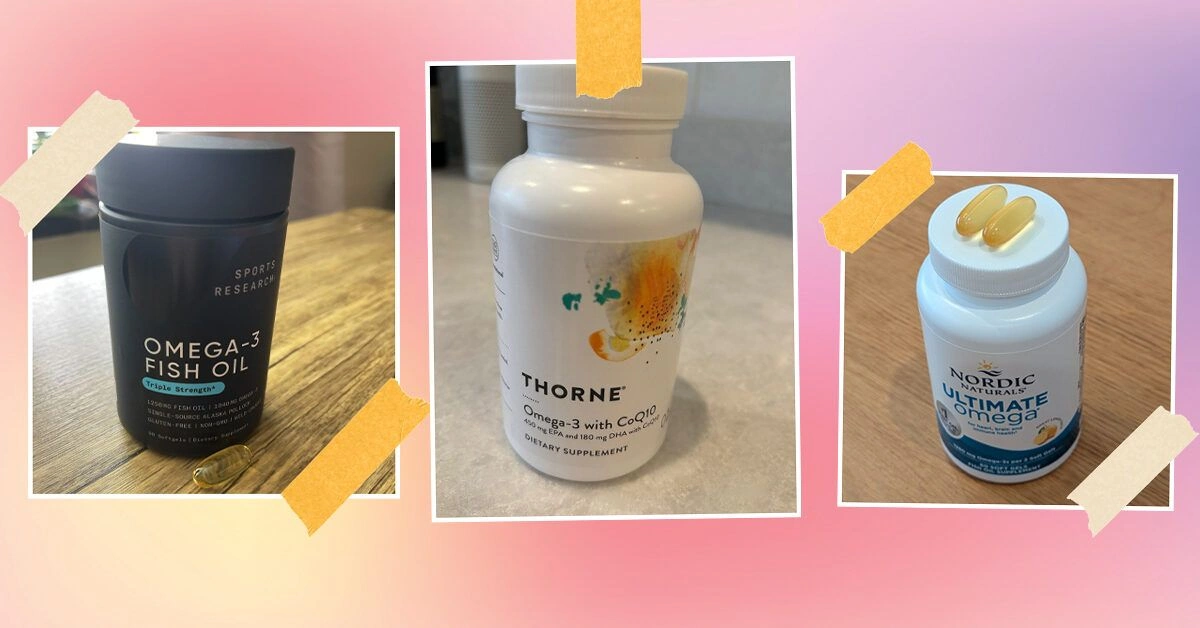
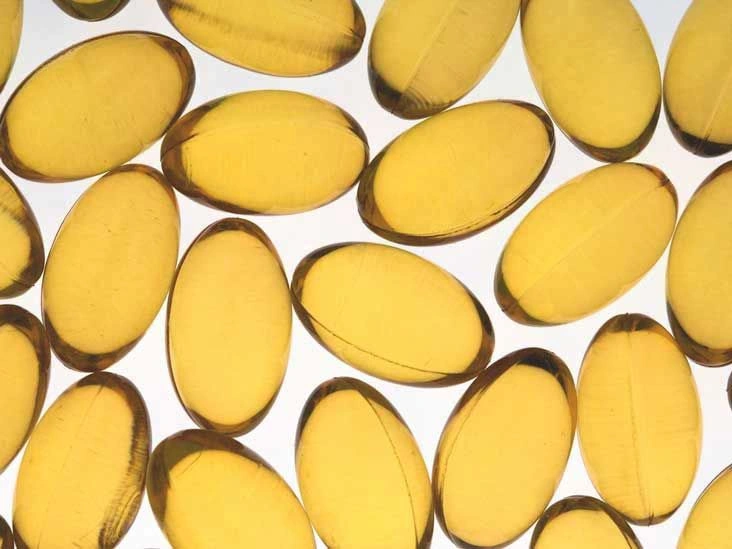
The Fast Facts A reputable fish oil supplement typically provides about 250 to 500 milligrams (mg) of combined eicosapentaenoic acid (EPA) and docosahexaenoic acid (DHA) per serving. Choose a product that has undergone third-party verification for purity and potency, preferably certified by groups such as the Therapeutic Goods Administration (TGA), NSF International, or the Marine Stewardship Council (MSC). Based on ingredient quality, registered dietitian recommendations, and tester impressions, Nordic Naturals…

6 Science-Based Health Benefits of Krill Oil
Krill oil is rich in vital omega-3 fatty acids and is associated with a number of potential health advantages. This supplement is becoming increasingly popular as an alternative to traditional fish oil. It’s extracted from krill, tiny crustaceans eaten by whales, penguins and many other marine animals. Like fish oil, krill oil supplies docosahexaenoic acid (DHA) and eicosapentaenoic acid (EPA), omega-3 fats that come exclusively from ocean sources. These fats…
Krill Oil vs Fish Oil: Which Is Better for You?
Krill oil is an omega-3 supplement sourced from tiny crustaceans called krill. Some research indicates krill oil might be absorbed more effectively by the body and could outperform fish oil at improving certain heart disease risk markers. Fish oil, derived from fatty fish such as anchovies, mackerel, and salmon, ranks among the most widely used dietary supplements worldwide. (img by Ultimate Sup) Its health perks largely stem from two omega-3…

Nutrafol Bad Reviews: Honest Stories and Surprises You Need to Hear
(img by The Vajenda – Substack) So… Does It Really Work? Alright, let’s not waste time. You’re here for the real scoop on Nutrafol, not a science lecture or a pretty ad. I get it—when my hair started thinning, I wanted answers, too. I wanted hope, not another “miracle” that fizzles out faster than my motivation at 6am spin class. But here’s the subtle trap I fell into—and maybe you…

Does Nutrafol Work for Seniors? The Honest Scoop on Thicker Hair After 50
(img by LaunchSquad) When Hair Loss Gets Personal Ever have one of those mornings where you glance in the mirror—and do a double take? Is that… my scalp? Right there, poking through where it definitely wasn’t a year ago? If you’re over 50 and noticing more hair in the brush (or the drain), you are very much not alone. Let me be real for a second: I’ve watched my own…

Maca Root Weight Gain or Loss: My Surprising Scoop on This Superfood
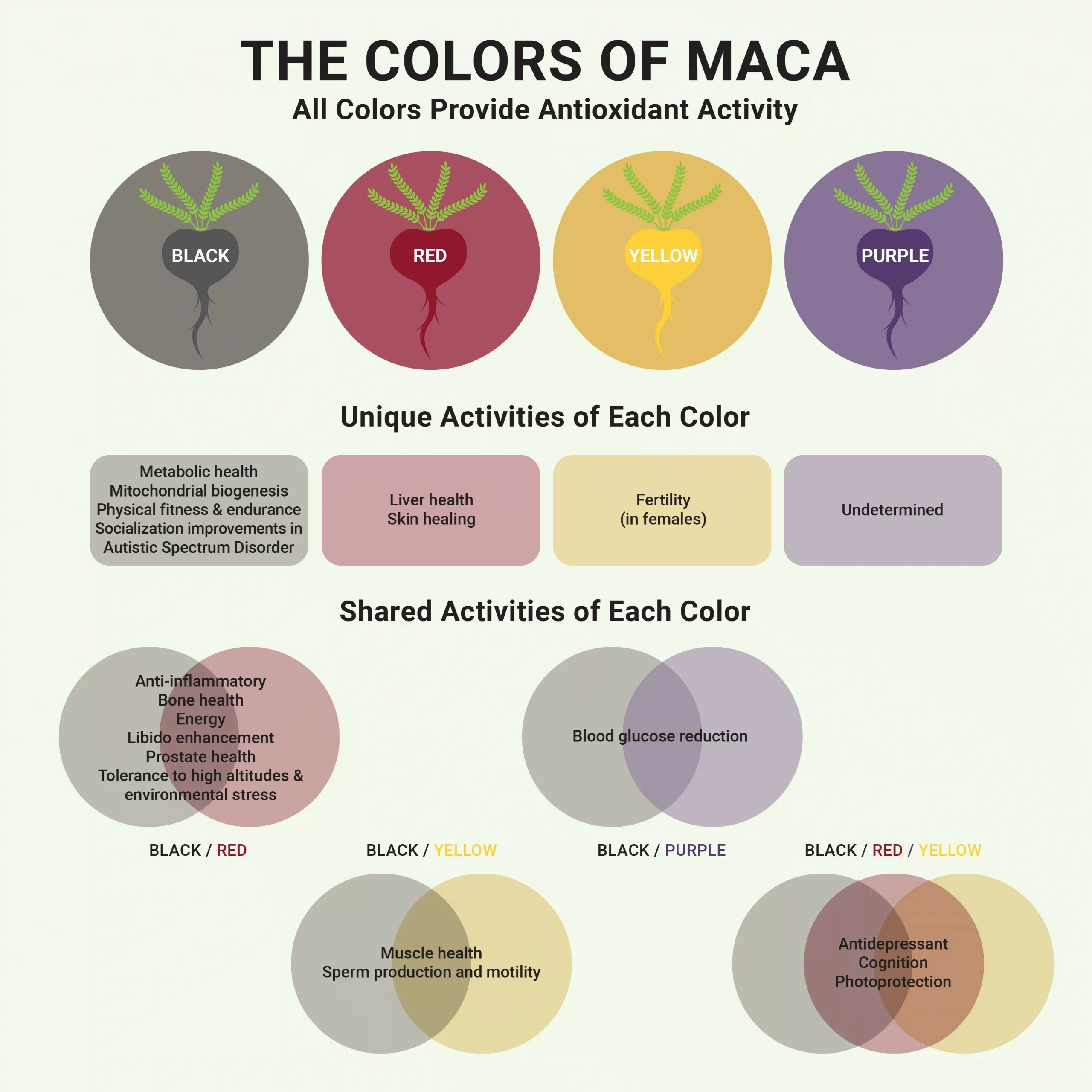
(img by Dr. Will Cole) Why Is Maca in the Spotlight? You know how sometimes you stumble onto a “health hack” everyone swears is life-changing? And suddenly, you’re worried that thing in your kitchen is either going to turn you into a superhero… or, I don’t know, a balloon? That was me, standing in front of my blender, holding a bag of maca powder. “Does this stuff really make you…

Maca Root for Weight Gain: The Simple, Natural Approach
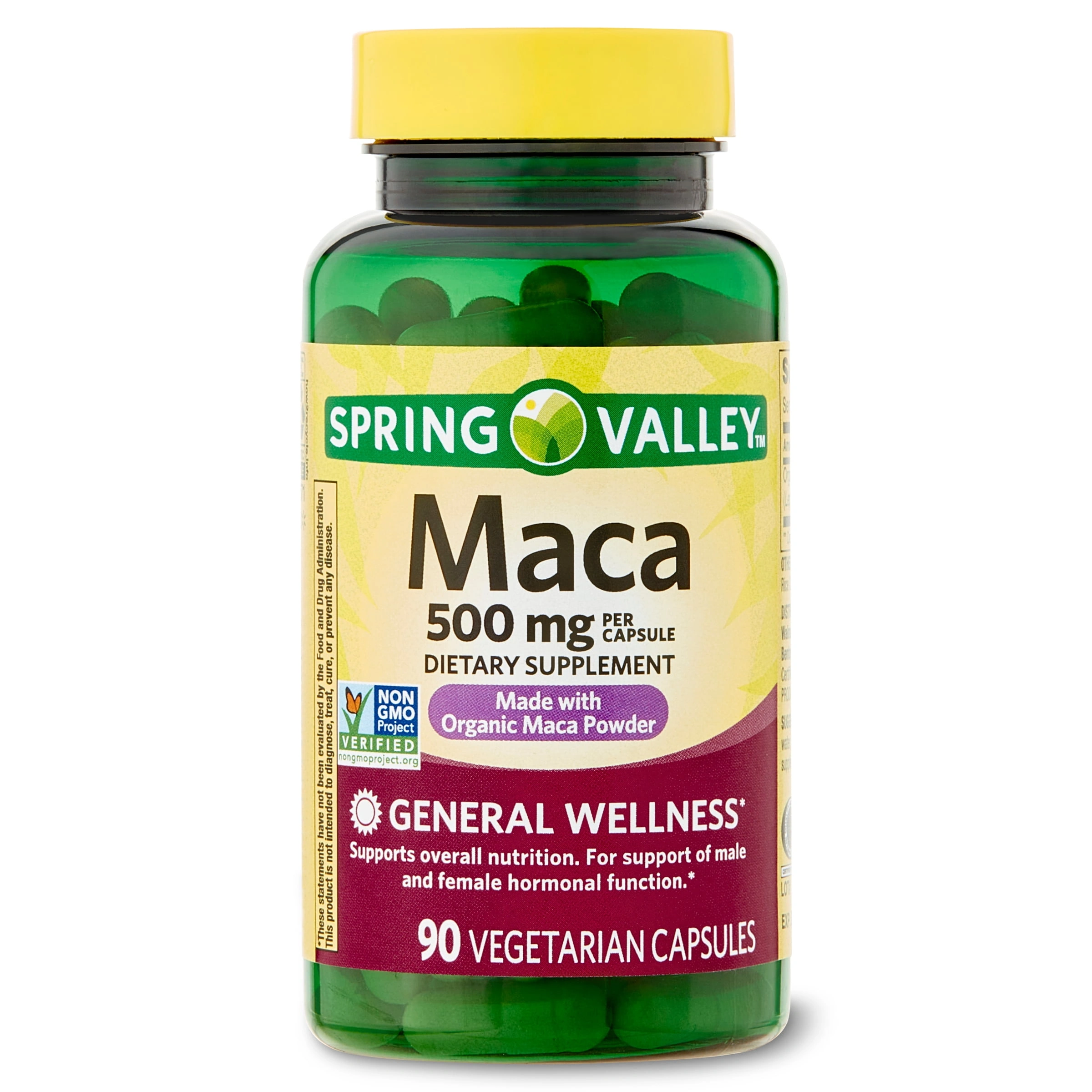
(img by Dutch Goat) Why So Much Buzz? So… you’ve tried literally every “healthy” strategy to gain weight and actually keep it, right? And all you got was either bloating, random crash diets, or—you guessed it—zero results. If this sounds even a tiny bit familiar, you’re totally not alone. That was me, too, scarfing nut butter and protein shakes until I started wondering if maybe my body just had its…

NP Thyroid vs Armour Thyroid Cost: Which Is Kinder on Your Wallet?
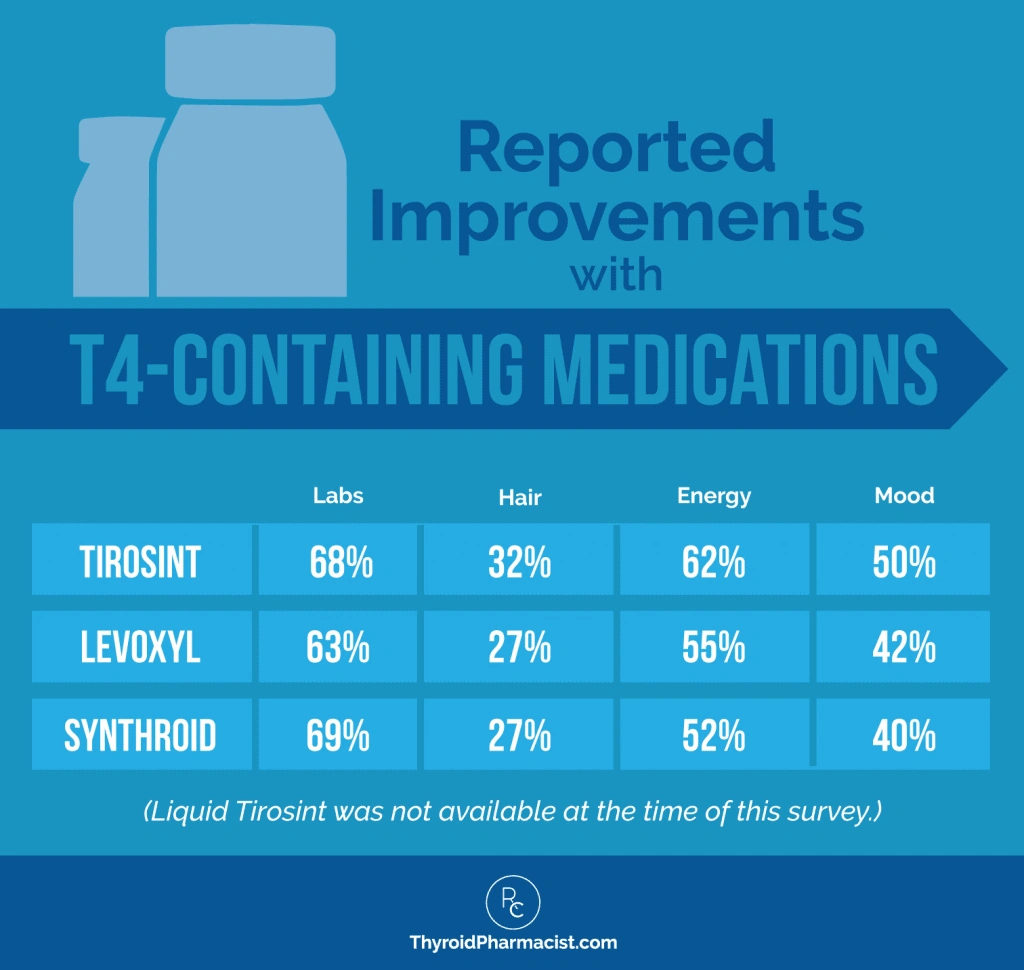
Why Even Bother Comparing? I’ll be straight with you—nobody ever wakes up thinking, “I can’t wait to shop for thyroid medication today!” It’s not like browsing Netflix for a new show. The truth is, if you’re navigating the world of hypothyroidism, you know the little victories and daily headaches that come with managing meds. Pills shouldn’t feel like a luxury item… but somehow, when you see the price tag, it’s…