How to Properly Care for Oral Cuts and Scrapes


Managing a cut in your mouth involves stopping the bleeding, preventing infection, and easing pain and swelling. Some injuries may require professional medical attention.
It’s simple to sustain a cut in the mouth. Oral injuries often occur during everyday activities. Sports, gardening, accidentally biting your cheek while chewing, falling, or even gnawing on a pencil can all cause a cut inside the mouth.
Although the mouth is a relatively small space, it’s full of blood vessels. That means cuts and scrapes in the mouth can bleed profusely, even when the injury isn’t severe.
Most oral wounds aren’t dangerous and can be handled at home, but they do need appropriate care to prevent infection and avoid uneven scarring.
Read on to find out how to treat a mouth cut and learn when to seek medical care.

What to do if you have a cut inside your mouth
For cuts located on the tongue, gums, inner cheek, or the roof of the mouth:
- Wash your hands before touching the injury.
- Rinse the cut gently with water to clean it.
- Remove any foreign material from your mouth.
- Slow the bleeding by pressing a clean cloth or gauze to the wound, holding it in place until bleeding subsides.
- Reduce swelling and soothe pain by sucking on a popsicle. Don’t give ice cubes to young children due to choking hazards.
- Do not apply topical creams inside the mouth. Monitor the wound daily and contact your healthcare provider if it’s not healing well or pain increases.
At-home remedies
After first aid, home care can help lower pain and swelling and support healing. Try these approaches:
- Rinse with a warm saltwater solution once daily to aid recovery.
- Consider arnica supplements from a pharmacy or health store to help reduce swelling and bruising.
- Chewing garlic is a traditional remedy believed to have antibacterial effects. Avoid chewing garlic if the wound is still open and stop if it causes a burning sensation.
- Avoid foods that may sting, such as citrus fruits and spicy dishes.
- Suck a popsicle or hold an ice pack against the outside of your face near the injured area to numb pain and limit swelling.
Risk factors and precautions
Potential consequences of a mouth injury include:
Infection
Whenever the skin or mucous membrane is broken, there’s a risk of infection. Bacteria and viruses can enter tissues or the bloodstream, causing further irritation or serious complications.
Scarring
A lip laceration, particularly along the lip line or where the upper and lower lips meet, can change the outward shape of your mouth. If the cut is large or uneven, a clinician may recommend stitches to help it heal neatly.
When to see a doctor
Most oral cuts can be treated at home. Seek urgent care if:
- bleeding does not stop after 10 minutes
- the wound is deep
- the cut is wider than half an inch
- the injury was caused by a puncture, rusty metal, or an animal or human bite
- the edges are very irregular and won’t come together
- there’s debris you cannot remove
- signs of infection appear, such as discoloration, warmth, redness, or draining fluid
Medical treatment
It’s uncommon for a mouth abrasion to need medical intervention, but here are some reasons to see a clinician.
Stitches
Deep cuts may require sutures to control bleeding. On the lip, stitches also help preserve the natural lip border and contour.
Antibiotics
If there’s concern for bacterial infection, a doctor may prescribe antibiotics. Complete the entire prescribed course — don’t stop when you begin to feel better.
Tetanus shot
Contact a healthcare provider promptly if the wound was from a puncture and your tetanus vaccination isn’t current — or if you’re unsure when you last had the vaccine.
Cut in mouth healing time
Cuts inside the mouth heal more rapidly than skin wounds elsewhere on the body. They commonly close on their own within days, often without needing stitches.
Scientists have researched why oral wounds recover faster. The abundant blood flow in the facial region speeds healing. Saliva also supports recovery and contains proteins that help tissue repair.
Research indicates that oral tissues generate new cells more quickly than many other body tissues.
You can encourage quicker healing by keeping the area clean and being cautious to avoid further injury.
Preventing mouth injuries
Though accidents occur, you can reduce your risk of oral injuries with these measures:
- Chew slowly to lower the chance of accidentally biting your cheek or tongue, which is more likely when the mouth is swollen.
- Follow your dentist’s guidance for care of braces and other orthodontic devices.
- Never run while holding sharp objects.
- Don’t use your teeth to open packages or bottles.
- Avoid chewing on pens, pencils, or fingernails.
- Wear a mouthguard when taking part in contact sports.
Takeaway
You can usually manage mouth cuts and scrapes with basic first aid at home. Keep the wound clean and inspect it each day. Contact a healthcare professional if the injury is severe or shows infection signs. Fortunately, mouth wounds generally heal very quickly.
For guidance on adjusting nutrition while recovering from injuries or preparing for body composition changes, consider reading about a cutting diet to support your goals safely.
Frequently Asked Questions
Gently press a clean cloth or sterile gauze against the wound and hold steady for several minutes. Rinse with water to clear debris, and avoid vigorous rinsing that may restart bleeding. If bleeding persists beyond 10 minutes, seek medical care.
Seek urgent care if the wound is deep, wider than half an inch, caused by a puncture or bite, has debris you can’t remove, has very irregular edges, or if bleeding doesn’t stop after 10 minutes.
Avoid applying topical creams inside the mouth unless directed by a clinician. Rinse with warm saltwater, keep the area clean, and use cold packs externally or popsicles to reduce swelling and pain.
Mouth cuts often heal faster than skin wounds, commonly closing within days. Healing is supported by good blood flow and saliva; keep the area clean and monitor for infection.
Stitches may be needed for deep cuts or to preserve lip contour. Antibiotics are prescribed if infection is likely. A clinician will assess the wound and recommend sutures or medication if necessary.
Read Next

What Are the Effects of Thumb Sucking on the Teeth and Mouth?
Veneers vs. Lumineers: What’s the Difference?

What Should I Do About a Molar Broken Off at the Gum Line

Debunking the Myth of Tooth Worms and Other Cavity Causes
How Long Will I Have to Sit in the Dentist Chair During a Root Canal?
Hyperdontia: Do I Need to Have My Extra Teeth Removed?
Related Posts

Everything You Need to Know About Fever Blister Remedies, Causes, and More
Sep 6, 2026 • 25 min read
Everything You Need to Know About Mini Dental Implants
Aug 24, 2026 • 12 min read
How Does Drinking Soda Affect Your Dental Health?
Aug 26, 2026 • 19 min read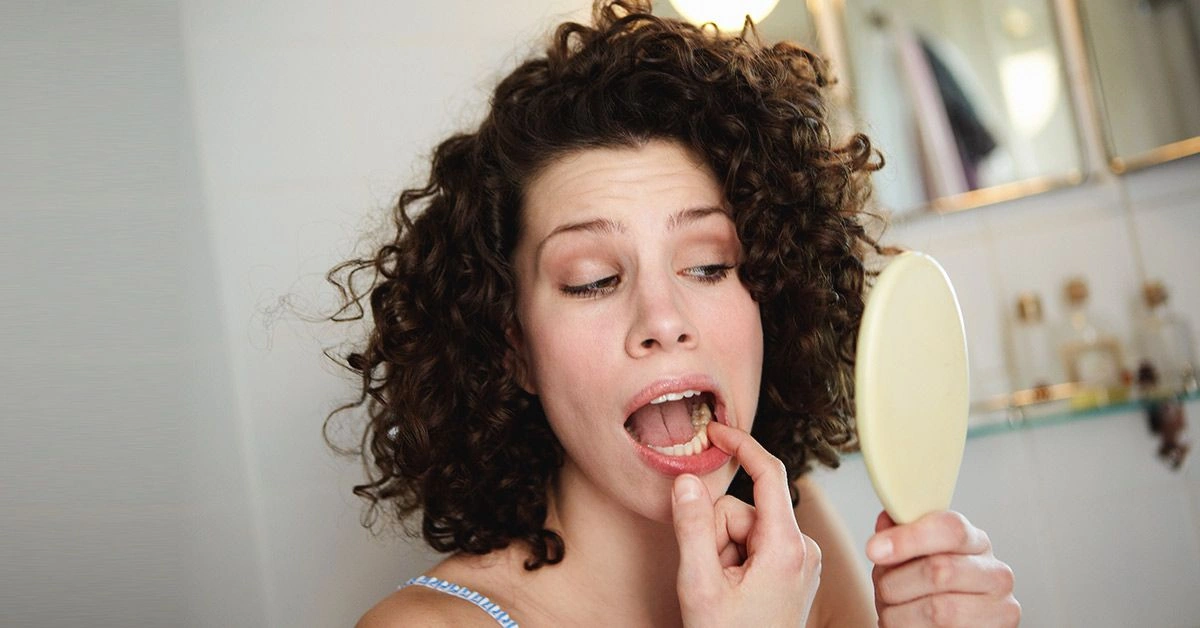
How to Remove Nicotine Stains from Your Teeth
Aug 14, 2026 • 30 min read
How Regularly Should You Get Your Teeth Cleaned?
Aug 2, 2026 • 21 min read