Can Garlic Treat the Pain from Toothaches?

- Why garlic may ease tooth pain
- Is garlic powder effective for a toothache?
- Possible side effects
- How to apply garlic for tooth pain
- Chew a garlic clove
- Prepare a garlic paste
- Precautions when using garlic for toothaches
- Other at-home approaches for toothaches
- Cold compress or ice
- Saltwater rinse
- Pain relievers
- Peppermint tea
- Thyme
- Aloe vera
- Hydrogen peroxide rinse
- Cloves
- When to visit a dentist
- Takeaway
Tooth pain can stem from a variety of causes, including cavities, infected gums, decay, teeth grinding, or overly aggressive flossing. No matter the origin, a toothache is unpleasant and you’ll likely want fast relief.
Often, the appropriate step is to arrange a dentist appointment as soon as you notice a toothache. Meanwhile, there are home remedies that may ease the discomfort while you wait. One commonly suggested option is garlic.
Why garlic may ease tooth pain
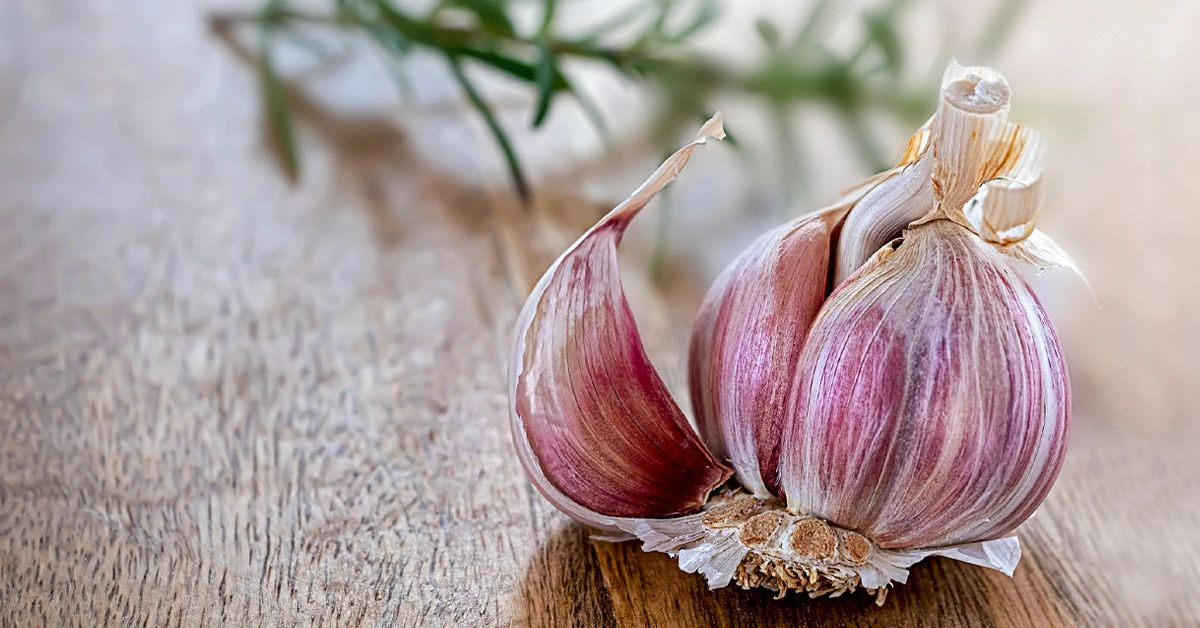
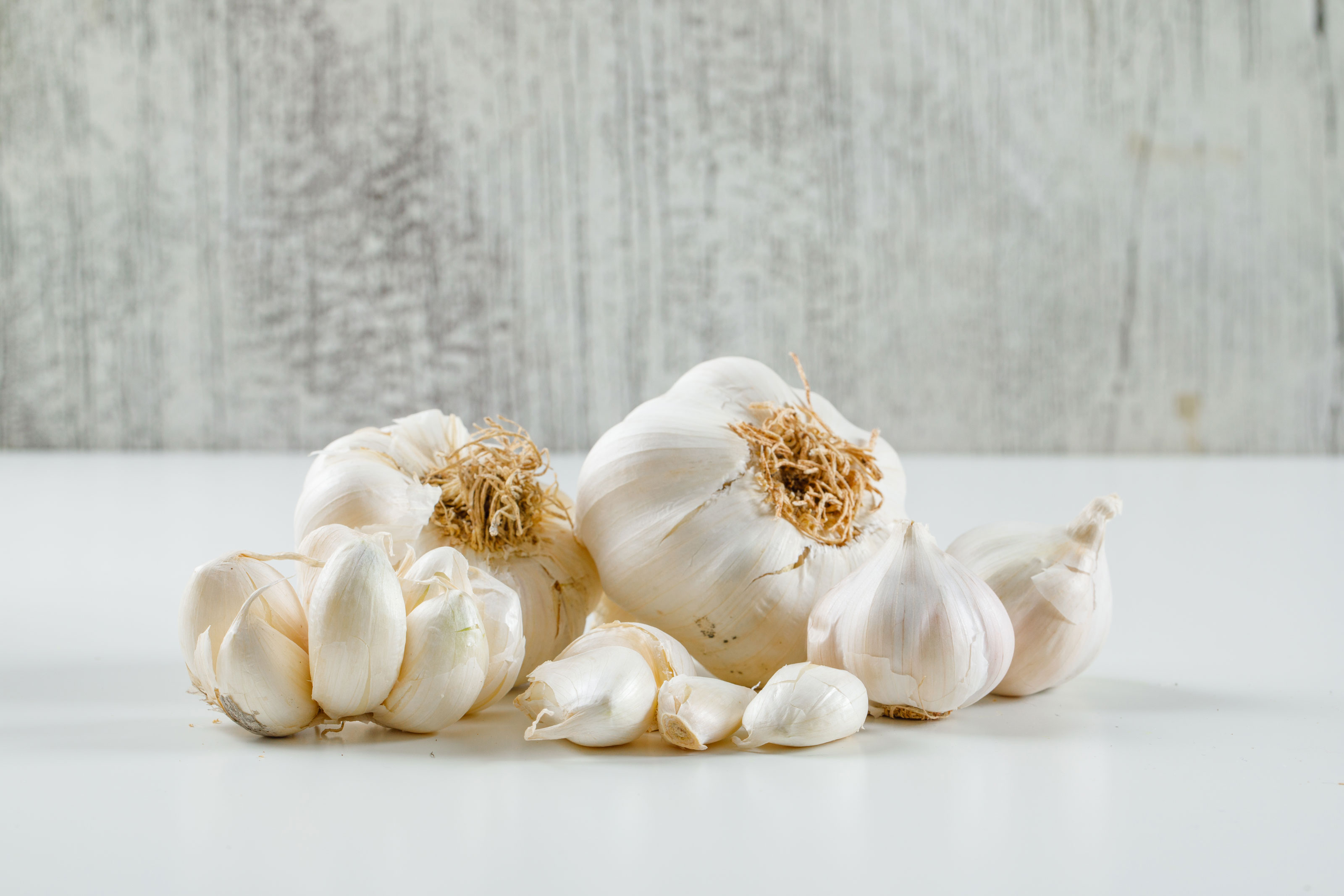
Garlic might be better known as a kitchen staple in Mediterranean dishes, but it has a long history of use for medicinal purposes.
A primary compound in garlic is allicin, which exhibits antibacterial and antimicrobial effects that can help destroy some bacteria linked to toothaches. Allicin forms in fresh garlic when the cloves are crushed or cut.
Is garlic powder effective for a toothache?
If fresh garlic isn’t available, you might consider garlic powder for pain relief. Keep in mind, though, garlic powder does not provide allicin, so it won’t offer the same antibacterial benefit for tooth pain.
Allicin isn’t present in intact garlic cloves either; it’s produced when the cloves are crushed, chewed, chopped, or sliced and remains for only a short time.
Possible side effects
Garlic is a nutritious food and may temporarily soothe a toothache. Before trying this remedy, be aware of potential adverse effects of raw garlic, including:
- bloating
- bad breath
- body odor
- stomach upset
- heartburn
- a burning feeling in the mouth
- acid reflux
- allergic reactions
How to apply garlic for tooth pain
Use fresh garlic for best results.
Chew a garlic clove
- Gently chew a peeled garlic clove using the painful tooth. This action will release allicin , which can kill bacteria that may be contributing to the pain.
- Allow the chewed clove to remain against the tooth for a period of time.
Prepare a garlic paste
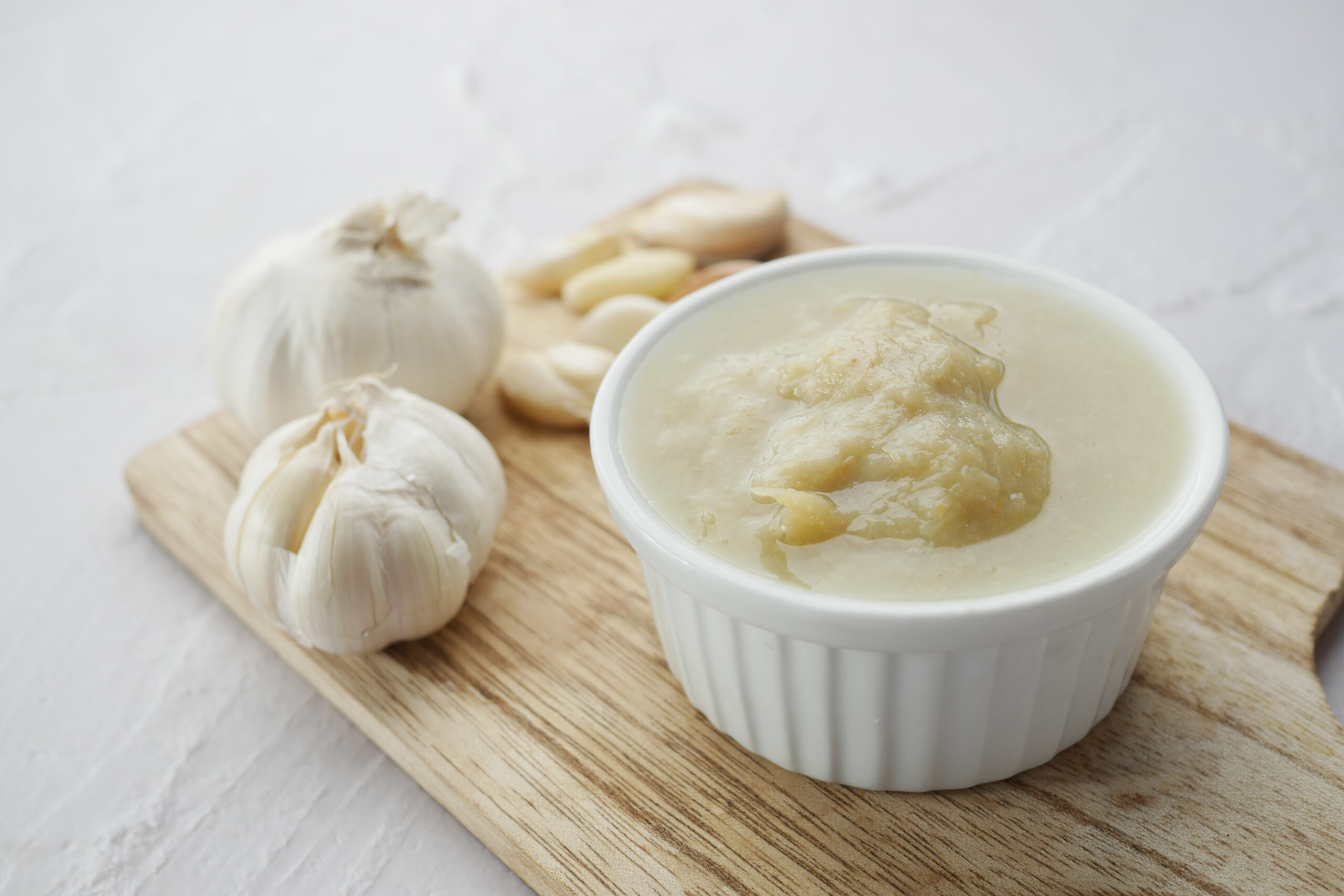
- Crush garlic with a mortar or the back of a spoon and mix with a pinch of salt—salt also has antibacterial effects and can help reduce inflammation.
- Apply the paste to the affected tooth with clean fingers or a cotton swab.
Precautions when using garlic for toothaches
Don’t push the garlic so deep into the tooth that it becomes lodged, particularly if a cavity is present.
If you are allergic to garlic, avoid this remedy altogether.
Garlic is generally safe during pregnancy, but excessive consumption may trigger heartburn (regardless of pregnancy).
Other at-home approaches for toothaches
If garlic isn’t suitable for you due to allergy or taste, alternative home treatments can help ease toothache discomfort.
Cold compress or ice
Applying ice packs causes blood vessels to constrict, which can reduce pain. Ice also diminishes swelling and inflammation.
Saltwater rinse
Saltwater acts as a disinfectant and may dislodge debris lodged in the problematic tooth. Dissolve half a teaspoon of salt in warm water, then swish the solution around the sore area.
Pain relievers
Over-the-counter anti-inflammatory medications such as aspirin or ibuprofen can temporarily reduce swelling and pain from a toothache, but they won’t resolve the underlying cause.
Peppermint tea
Peppermint has a mild numbing effect and can help lower swelling. Use a warm (not hot) peppermint tea bag against the painful tooth. Alternatively, brew the tea, chill the bag in the refrigerator, then apply it for a cooling effect.
Thyme
Thyme offers antibacterial and antioxidant benefits similar to garlic and may ease pain. You can try gently chewing fresh thyme to see if it helps.
Aloe vera
Aloe vera is rich in antioxidants and has anti-inflammatory qualities that can reduce mouth pain and swelling. However, if you have diabetes or take medications affecting blood sugar, aloe vera might lower glucose levels too much.
Hydrogen peroxide rinse
A diluted hydrogen peroxide mouth rinse may help reduce plaque , promote healing of bleeding gums, and relieve oral inflammation. Be sure to dilute it and avoid swallowing.
Cloves
Cloves can relieve inflammation and contain the antiseptic compound eugenol. Dilute clove oil with a carrier oil (such as olive oil) and apply with a cotton ball to the affected area, being careful not to ingest it.
You may also find guidance on natural options like essential oils for toothache or home techniques such as garlic in ear that discuss related uses of garlic and other remedies.
When to visit a dentist
Home remedies can temporarily lessen the immediate discomfort of a toothache, but they’re not a substitute for professional dental care. Schedule an appointment as soon as you notice a toothache.
These remedies are intended to ease pain while you await dental treatment, not to serve as long-term care.
See a dentist promptly if you experience:
- persistent pain
- swelling
- inflammation
- fever
- bleeding
Takeaway
When crushed, chewed, chopped, or sliced, garlic releases allicin—an antibacterial and antimicrobial compound that can temporarily ease toothache pain. However, it should not replace a visit to your dentist.
Frequently Asked Questions
Yes, crushed or chewed fresh garlic releases allicin, which has antibacterial properties that may temporarily reduce pain from infection-related toothaches.
Use fresh garlic: gently chew a peeled clove near the painful tooth or make a paste by crushing garlic with a pinch of salt and apply it with clean fingers or a cotton swab.
Raw garlic can cause mouth burning, stomach upset, bad breath, and allergic reactions in some people. Avoid pushing garlic deep into a cavity or using it if you’re allergic.
No. Garlic powder does not contain allicin, the compound formed when fresh garlic is crushed, so it won’t provide the same antibacterial effect.
See a dentist promptly if pain persists, swelling, fever, bleeding, or if home remedies offer only temporary relief. Garlic is for short-term easing, not long-term treatment.
Read Next






Related Posts

Everything You Need to Know About Fever Blister Remedies, Causes, and More
Sep 6, 2026 • 18 min read
What Should I Do About a Molar Broken Off at the Gum Line
Aug 8, 2026 • 34 min read
How to Remove Nicotine Stains from Your Teeth
Aug 14, 2026 • 35 min read
How Regularly Should You Get Your Teeth Cleaned?
Aug 2, 2026 • 20 min read
What You Need to Know About Snap-In Dentures
Aug 12, 2026 • 36 min read