
What is Novocaine?
Novocaine, the brand name for procaine, is classified as a local anesthetic medication. A local anesthetic is a drug or technique designed to temporarily numb a targeted area of the body. In contrast to general anesthesia, local anesthetics do not cause loss of consciousness. While many patients researching surgical care often ask, how long does anesthesia affect the body?, it’s important to understand that local anesthetics like Novocaine typically influence only a small, specific region and for a relatively brief duration.
A local anesthetic drug may be used during the following minor procedures:
- a filling for a tooth cavity
- wisdom tooth removal
- a minor skin procedure, like removing a mole or a wart
- certain types of eye surgery, such as cataract removal
- a biopsy (when a sample of tissue is removed from a part of your body for examination under a microscope)
Introduced in 1905, Novocaine became the first synthetic local anesthetic to gain widespread use in the United States. Prior to its development, cocaine was commonly administered clinically as a local anesthetic. Although several newer local anesthetics are now available and more frequently chosen, Novocaine is still utilized in select procedures.
How it works
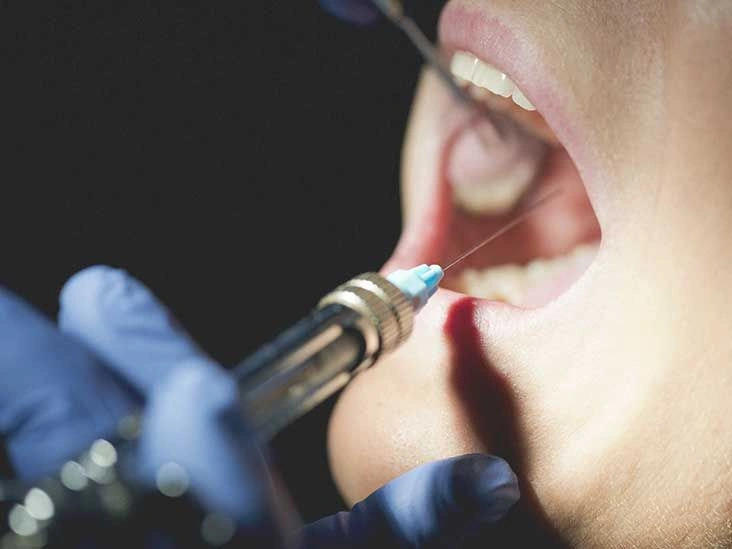
Novocaine functions by blocking nerve impulses in the body, preventing pain signals from reaching the brain. A physician or dentist administers it to numb the specific area being treated, ensuring you remain comfortable and pain-free throughout the procedure. This targeted action explains why local anesthesia affects only a limited region rather than the entire body.
How long do the effects of Novocaine last?

The duration of Novocaine’s effects in the body is generally brief. Among injectable anesthetics, Novocaine is considered one of the shortest-acting. After injection, numbness typically begins within 5 to 10 minutes. The anesthetic effect usually persists for approximately 30 to 60 minutes.
Because Novocaine alone has a short duration of action, it is frequently combined with epinephrine (adrenaline). Epinephrine constricts blood vessels at the injection site, slowing the absorption of the anesthetic and extending its numbing effect. When used together, the effects of Novocaine may last around 90 minutes.
For individuals wondering how long does anesthesia affect the body?, the answer varies depending on the type of anesthesia administered. Local anesthetics such as Novocaine wear off relatively quickly compared with general anesthesia, which can influence alertness and coordination for a longer period. If you’re curious about prolonged concerns, you may also want to read more about Can anesthesia stay in your system for months for additional medical insight.
Factors that affect how long Novocaine lasts
The exact length of time Novocaine remains effective depends on several variables, including the dose given by your doctor or dentist. Dosage is determined by the specific procedure, the size of the treatment area, and the number of nerves requiring blockage. In some cases, a higher dose may be administered to maintain numbness long enough to complete the procedure comfortably. Individual responses also differ slightly from person to person.
Within the body, Novocaine is metabolized by an enzyme called pseudocholinesterase. Approximately 1 in every 5,000 people has a genetic condition that prevents them from properly breaking down (hydrolyze) Novocaine and related drugs. This condition, known as pseudeocholinesterase deficiency, is more prevalent in certain populations, including the Persian Jewish community and Alaska Natives. Individuals with this deficiency are more sensitive to Novocaine, and its effects may persist significantly longer than expected.
Understanding these factors can help address common concerns about how long anesthesia affects the body, particularly in patients with metabolic differences or underlying health conditions. Broader discussions about anesthesia long-term side effects may also be helpful for those preparing for medical or dental procedures.
Risks of using Novocaine
Novocaine is generally regarded as very safe when administered by trained healthcare professionals. Although overdose is possible, doctors and dentists calculate doses carefully to minimize this risk. Combining Novocaine with epinephrine can further reduce overdose potential because a smaller amount of Novocaine is required to maintain adequate numbness.
Novocaine is delivered by injection, which may cause brief discomfort for some individuals. A mild burning sensation can occur for a few seconds during administration. As the anesthetic wears off, you may notice tingling in the treated area. Temporary soreness at the injection site is also common.
Side effects associated with Novocaine are typically mild and short-lived. They may include:
- numbness or tingling sensations (like pins and needles)
- headaches
- dizziness
- drowsiness
- twitching muscles
- minor pain at the injection site
Although rare, an allergic reaction to Novocaine can occur. Signs of an allergic reaction include:
- itching
- hives
- difficulty breathing
- swelling of the face or hands
- loss of consciousness
Seek immediate medical attention if any of these symptoms develop following an injection.
The takeaway
Novocaine is typically chosen for procedures that last under 90 minutes because of its short-acting nature. In most cases, its numbing effects continue for 30 to 90 minutes, depending on the type of procedure and whether epinephrine is used alongside it. When considering the broader question, how long does anesthesia affect the body?, local anesthetics like Novocaine generally have a limited and predictable timeframe compared with other forms of anesthesia.
Today, Novocaine is used less frequently than some newer local anesthetics. Your doctor or dentist may opt for lidocaine (Xylocaine), which generally provides a longer-lasting effect than Novocaine (about 1.5 to 2 hours, depending on whether or not epinephrine is used).
If you have concerns about the type of local anesthetic being used or questions about how anesthesia may impact your body after a procedure, discuss them with your doctor or dentist to ensure you feel informed and reassured before treatment.




















Leave a Reply
You must be logged in to post a comment.