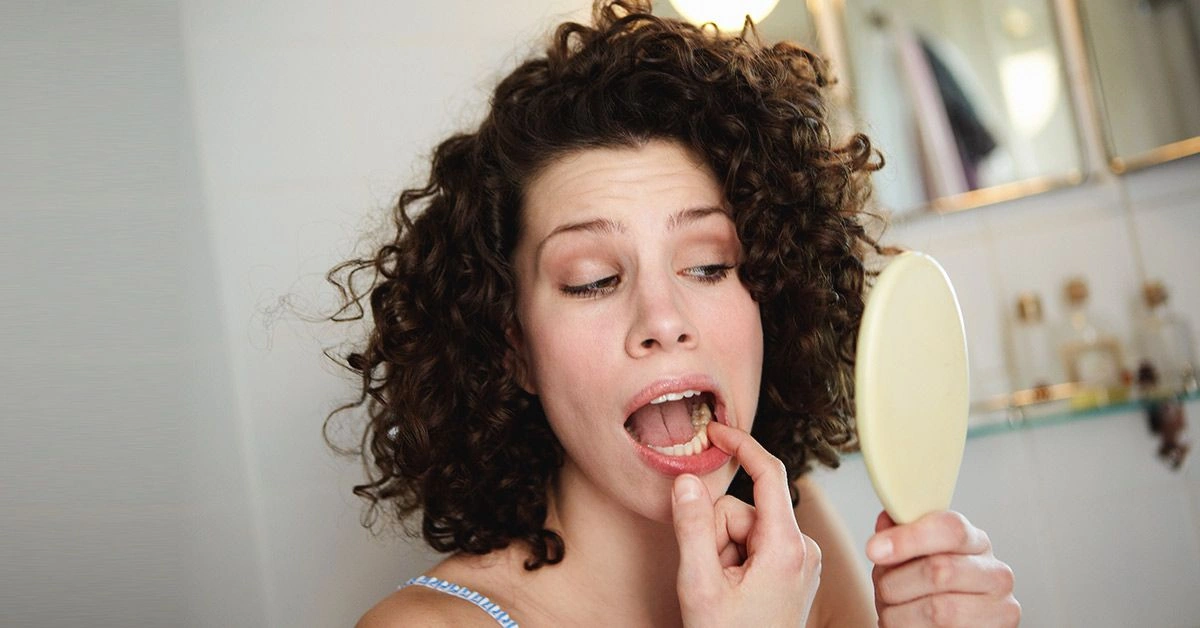
Is Mouthwash Bad for Your Health?

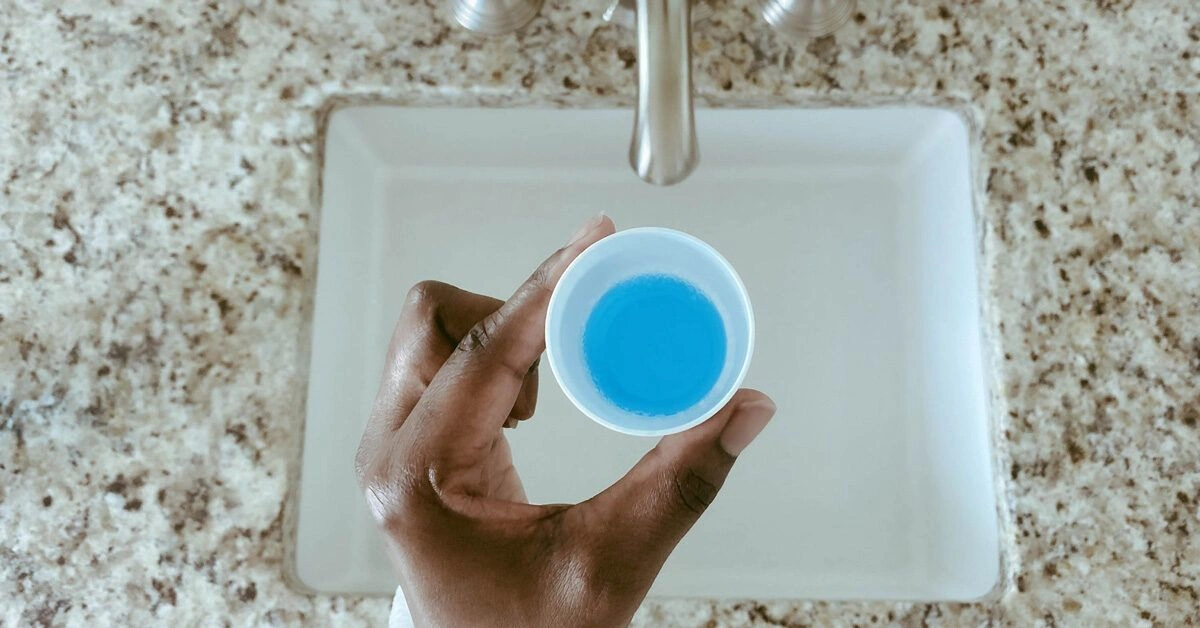
- Is mouthwash bad?
- Side effects of alcohol-based mouthwash
- May cause or aggravate canker sores
- May cause dry mouth
- May cause burning or pain when used
- Side effects of alcohol-free mouthwash
- May disrupt your healthy oral microbiome
- May cause teeth staining
- May be associated with increased cancer risk
- Signs that you’re overusing mouthwash
- Who shouldn’t use mouthwash
- Is mouthwash necessary?
- Alternatives to mouthwash
- Takeaway
Is mouthwash bad?
Mouthwash, often called an “oral rinse” or “mouth rinse,” usually contains antibacterial components to help clean between teeth, along with flavoring agents. Some varieties include alcohol as an inactive ingredient, while others are formulated without alcohol.

For certain individuals, mouthwash can produce uncomfortable side effects. These unwanted effects may outweigh the advantages of using an over-the-counter oral rinse as part of a daily regimen. Some people also worry about the artificial colors and flavors present in particular mouthwash brands.
That being said, mouthwash isn’t inherently harmful. Let’s review the possible side effects of mouthwash and what to consider to use it safely.
Side effects of alcohol-based mouthwash
Alcohol often serves as a preservative and a carrier for other active ingredients in mouthwash rather than acting primarily as an antiseptic.
Not every user will experience all of the listed side effects, and different formulations are more or less likely to produce specific reactions.
May cause or aggravate canker sores
Sodium lauryl sulfate (SLS) is an ingredient found in some toothpastes and oral rinses to create a foaming effect in the mouth.
If you’re susceptible to canker sores, using an oral rinse (or other oral care product) that contains SLS may trigger an outbreak or intensify existing sores. Individuals undergoing chemotherapy may also notice similar sensitivity.
If you lack these sensitivities, you probably won’t experience this particular side effect.
May cause dry mouth
Xerostomia, commonly called dry mouth, describes a condition in which salivary glands don’t produce enough saliva to keep the tongue moist and protect against cavities.
An oral rinse containing fluoride may actually be advised if you have dry mouth, according to the American Dental Association. However, an alcohol-containing mouthwash can worsen dry mouth symptoms.
May cause burning or pain when used
Some users appreciate the tingling sensation from alcohol-based mouthwash, but others find it to be a burning pain.
Certain mouthwashes have alcohol concentrations up to 25 percent, which can make the sensation more intense.
Side effects of alcohol-free mouthwash
Some mouthwash side effects are unrelated to whether alcohol is present in the formula.
May disrupt your healthy oral microbiome
Any kind of mouthwash, whether alcohol-free or alcohol-based, can reduce the number of bacteria in your mouth.
While certain oral bacteria contribute to cavities and bad breath, other bacteria are part of the oral microbiome that helps break down food and supports healthy teeth and gums.
Regularly eliminating a large proportion of oral bacteria is not advisable, so milder antiseptic options may be a better choice.
May cause teeth staining
The most frequently reported side effect of mouthwash use, according to a review published in 2019, was tooth staining.
Mouthwash containing chlorhexidine (CHX), which typically requires a prescription, is more prone to cause temporary staining of teeth after use.
Mouthwashes with vivid dyes are more likely to leave stains than dye-free alternatives.

May be associated with increased cancer risk
Mouthwash can also include synthetic components that have been linked in some studies to a modestly higher risk of certain cancers.
A 2016 study found that regular mouthwash users might have a slightly elevated risk of head and neck cancers compared with never-users.
Much more research is necessary to determine whether this association is causal and, if so, which ingredients are responsible.
Optum Now is operated by RVO Health. By clicking on this link, we may receive a commission. Learn more.
Signs that you’re overusing mouthwash
It is possible to use mouthwash excessively.
Most nonprescription mouthwashes recommend using the product twice daily, along with brushing and flossing. Some people use mouthwash more frequently to freshen breath or get that “clean mouth” feeling between meals.
You should reduce or stop mouthwash use if you notice any of the following symptoms:
- ongoing or inflamed canker sores
- gum bleeding when using your mouthwash
- dry mouth symptoms
- pain or sensitivity when brushing after mouthwash use
- tooth staining
Who shouldn’t use mouthwash
Children under 6 years old should not use mouthwash, and those over 6 should be supervised when using it, per the American Dental Association.
If you have mouth sores, a weakened immune system, or are undergoing chemotherapy, you may want to avoid mouthwash.
If you’ve had an allergic reaction to any mouthwash ingredient (such as flomenthol, xylitol, or SLS), read labels carefully to avoid products that could trigger irritation.
Is mouthwash necessary?
Mouthwash offers certain oral health benefits. However, the American Dental Association recommends choosing formulations that carry its seal of approval.
Over-the-counter mouthwash can:
- freshen breath and address halitosis
- help lower the risk of gingivitis (gum disease)
- reduce plaque buildup to help prevent cavities
- make teeth appear whiter
Still, no mouthwash replaces regular brushing and flossing twice daily, which remain the cornerstone of good oral hygiene.
Alternatives to mouthwash
There are options other than mouthwash. Brushing and flossing twice daily have stronger evidence of benefit and fewer potential adverse effects.
You may also ask your dentist about prescription oral rinses. These rinses contain higher concentrations of specific active ingredients and can be effective for short-term treatment of particular oral issues. Prescription rinses can be used for:
- dry mouth symptoms
- gum disease prevention
- relief from mouth ulcers or canker sores
- preventing infection and dry socket after a dental extraction or other oral surgery
Takeaway
Mouthwash can cause some unpleasant side effects. Some of these occur only with alcohol-containing formulas or with specific ingredients.
Overall, mouthwash is not broadly harmful to your health. You can include it as part of a solid oral hygiene routine or choose not to use it—largely a matter of personal preference.
If you have persistent bad breath, concerns about plaque and gum disease, or want to improve your oral health, consult your dentist.
Frequently Asked Questions
Not necessarily. Used as directed, many people can use mouthwash daily without harm, but overuse or certain ingredients (like high alcohol or chlorhexidine) can cause dry mouth, staining, or irritation.
Some studies have found a small association between frequent mouthwash use and certain cancers, but evidence is inconclusive and more research is needed to determine causation and specific ingredient links.
Children under age 6 should not use mouthwash. Older children may use it with supervision to prevent swallowing and ensure proper use.
If you experience burning or pain, stop using the product and switch to an alcohol-free or milder formula. Persistent symptoms warrant consulting a dentist or healthcare provider.
Yes. Regular brushing and flossing, staying hydrated, sugar-free chewing gum, and addressing underlying dental issues can improve breath without the potential side effects of mouthwash.
Read Next

Everything You Need to Know About Mini Dental Implants

How Does Drinking Soda Affect Your Dental Health?

What You Need to Know About Snap-In Dentures

What Should I Do About a Molar Broken Off at the Gum Line

Debunking the Myth of Tooth Worms and Other Cavity Causes
The 9 Best Mouthwashes For Whitening, Cavities, Gums, Breath, and More
Related Posts
How Long Will I Have to Sit in the Dentist Chair During a Root Canal?
Aug 19, 2026 • 22 min read
How Regularly Should You Get Your Teeth Cleaned?
Aug 2, 2026 • 33 min read
What Exactly Is a Tooth Piercing?
Sep 11, 2026 • 15 min read
Veneers vs. Lumineers: What’s the Difference?
Sep 11, 2026 • 14 min read
Everything You Need to Know About Fever Blister Remedies, Causes, and More
Sep 6, 2026 • 36 min read