
Key takeaways
- Low-level lasers can activate hair follicles, which may help encourage hair regrowth in certain individuals.
- Although the treatment is considered safe and less invasive than surgical options, results differ from person to person. Additional research is required to confirm consistent effectiveness.
- Before pursuing laser therapy, carefully evaluate the benefits and drawbacks and speak with a healthcare professional to determine whether it’s appropriate for your unique needs.
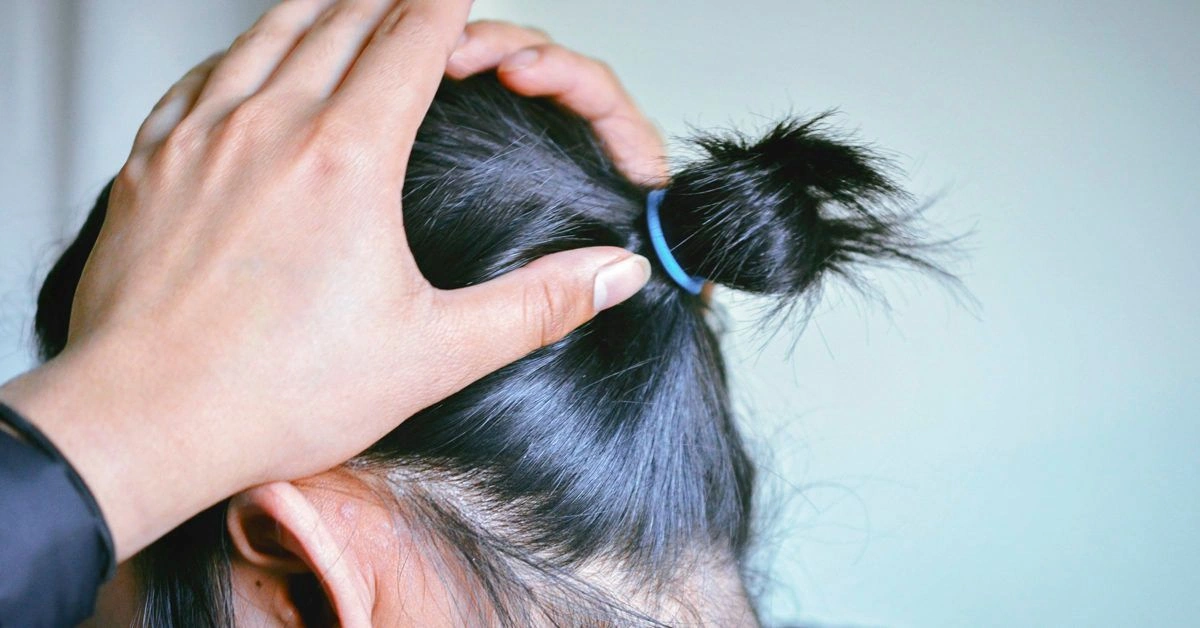
On a typical day, most individuals shed around 100 hairs from the scalp. For many, these hairs naturally grow back as part of the normal hair cycle. However, some people experience thinning or persistent hair loss due to:
- age
- heredity
- hormonal changes
- medical conditions, such as lupus and diabetes
- poor nutrition
- side effects of a medical treatment, such as chemotherapy
- stress
Available treatments aimed at slowing hair loss and potentially restoring growth include:
- medications such as minoxidil (Rogaine) and finasteride (Propecia)
- hair transplant surgery
- laser therapy, including the use of a Red light therapy cap for hair growth
Does laser treatment for hair loss work?
What it does
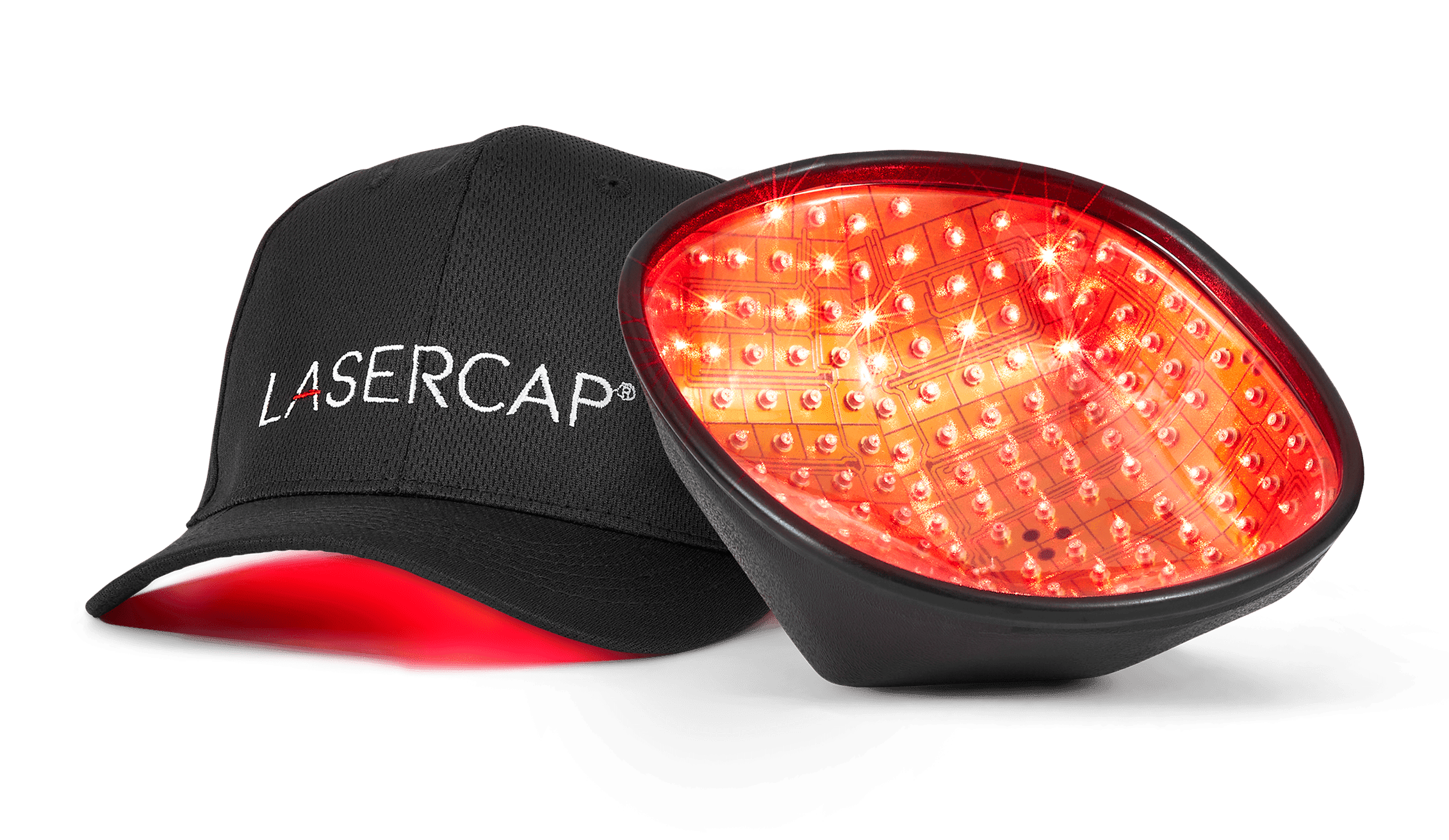
Low-level laser therapy — sometimes called red light therapy or cold laser therapy — delivers photons into the tissues of the scalp. These light particles are absorbed by weakened cells, which may stimulate cellular activity and promote hair growth. Devices such as a Red light therapy cap for hair growth are designed to provide consistent, targeted exposure across the scalp in a convenient, noninvasive manner.
The procedure is generally regarded as safe, well-tolerated, and significantly less invasive than hair transplant surgery. Many people prefer at-home laser caps because they allow ongoing scalp stimulation without the downtime associated with surgical interventions.

The theory
The underlying theory behind laser treatment for hair loss is that low-dose laser exposure enhances blood circulation and cellular stimulation within the scalp. Improved circulation may deliver more oxygen and nutrients to hair follicles, encouraging them to transition into the active growth phase. Over time, this process could support thicker, healthier strands, particularly in individuals experiencing early-stage thinning.
The results
Because findings on laser therapy vary, the general consensus within the medical community is that it appears beneficial for some individuals but not for everyone. Factors such as the cause of hair loss, stage of thinning, and overall health may influence outcomes.
While further large-scale studies are necessary, several investigations have shown promising data:
- According to a 2014 study, low-level laser therapy appeared to be safe and effective for hair growth in both men and women.
- A 2013 study of 41 males ages 18 to 48 found that laser hair treatment provided a 39 percent increase in hair growth over a period of 16 weeks.

For individuals exploring noninvasive options, technologies like a Red light therapy cap for hair growth may offer a supportive addition to a broader hair restoration plan that includes medical evaluation and lifestyle improvements.
What are the positives of laser treatment for hair loss?
Supporters of laser therapy highlight several advantages that make it appealing to those seeking alternatives to medications or surgery:
- it’s noninvasive
- it’s painless
- there are no side effects
- it increases hair strength
In addition, laser caps and similar devices can be used at home, making adherence easier for people with busy schedules. Some individuals also report improvements in hair texture and density over time when treatments are performed consistently as directed. As research into red light applications expands — including uses discussed in resources such as the Best red light therapy cap for headaches — interest in light-based therapies continues to grow.
Optum Now is operated by RVO Health. By clicking on this link, we may receive a commission. Learn more.
What are the negatives of laser treatment for hair loss?
Despite its advantages, there are also several considerations that may cause some people to hesitate:
- It’s time consuming. Visible improvements typically require multiple sessions per week over several months. Even after initial progress, many providers recommend maintenance treatments indefinitely to sustain results.
- It’s expensive. In-office clinical laser treatments for hair loss can cost thousands of dollars annually, and high-quality at-home devices may also represent a significant upfront investment.
- It may not be effective. Laser therapy tends to be more beneficial in early stages of hair thinning and may offer limited improvement for those with advanced hair loss.
- It can interact with certain medications. Individuals taking medications that are photosensitizing should avoid laser therapy. Photosensitizing is a chemical alteration to the skin that increases someone’s sensitivity to light.
- Long-term safety and effectiveness have not yet been established. Laser devices are classified as medical devices by the FDA, meaning they do not undergo the same rigorous testing required for medications before approval. Long-term safety and sustained effectiveness are still being evaluated.
Consumers considering at-home devices may compare features and reviews, such as those found in guides like the Best red light therapy cap for headaches amazon, to better understand quality differences and user experiences before purchasing.
The takeaway
If your goal is to slow down or potentially reverse hair loss, laser therapy — including a Red light therapy cap for hair growth — may be an option worth exploring.
As with any medical or cosmetic treatment, it’s important to weigh the potential benefits against the limitations and costs. A qualified healthcare professional can assess the underlying cause of your hair loss, review your medications and medical history, and help you decide whether this therapy fits into your overall treatment strategy.
If you experience sudden or rapid hair shedding, consult your doctor promptly. Abrupt hair loss can signal an underlying health condition that requires medical evaluation and appropriate treatment.



















Leave a Reply
You must be logged in to post a comment.