
Donations of testicles are exceptionally uncommon. Scientists already have a detailed understanding of testicular function, and there’s virtually no demand from researchers for whole testicles. Transplanting donated testicles into other people is also not a routine practice, mainly because of ethical issues. Only a very small number of testicle transplants between humans have ever been documented.
Some pieces online suggest you can sell a testicle for tens of thousands of dollars. That claim is effectively untrue. In the United States, selling an organ for transplantation is illegal.
Read on to find out why testicular donation is so rare and what other organs are available for donation.

Can you donate a testicle?
Donating a testicle is not generally possible except in exceedingly rare circumstances. Theoretical motives for donating a testicle include contributing to medical research or providing a transplant for someone lacking functional testicles.
However, researchers already possess a robust knowledge of testicular biology. It’s extremely unlikely any research team would actively seek a whole testicle.
Aside from a few case reports, testicles are not typically transplanted between people, primarily for ethical reasons. The germ cells in testicles produce sperm bearing the donor’s genetics, not the recipient’s. A testicle transplant could result in the recipient fathering offspring with the donor’s DNA.
Hormone replacement therapy and prosthetic testicles are the usual alternatives to testicular donation for:
- people who have lost their testicles
- individuals born without testicles due to congenital anomalies
- people undergoing gender-affirming surgery
Are testicles ever transplanted between people?
Transplanting testicles between humans remains exceedingly rare.
A 2019 New York Times report described a 36-year-old man without testicles who received one from his identical brother in Serbia. That case represents only the third known human testicle transplant and the first in over four decades.
The earliest documented human testicle transplant was in 1978. Surgeons transferred a functioning testicle from one twin to his identical brother who lacked testicular function. Within two hours after surgery, testosterone levels normalized in both men. The recipient also regained normal sperm count and motility.
Animal experiments with testicular and ovarian grafts have had success, but human transplants remain experimental and carry significant risk. The procedure demands specialized microsurgical and vascular expertise.
Can you sell a testicle?
In the United States, it is illegal to sell a testicle or any other organ. One reason for this prohibition is to prevent wealthy individuals from obtaining donated organs unfairly.
Ensuring equal access to donated organs regardless of financial means is one ethical priority. Other ethical issues include coerced removal of organs or people selling organs due to severe financial pressure.
Occasionally, researchers may offer participants modest compensation to join a study, but the odds that a study would require a whole testicle are vanishingly small.
Debunking internet myths
The widespread online myth that you can sell a testicle for tens of thousands of dollars likely stems from the story of Mark Parisi. He appeared on an episode of TLC’s “Extreme Cheapskates” where he said he planned to donate a testicle to research for $35,000.
However, researchers were not buying his testicle; they were offering payment to study how his body would respond to a prosthetic. That study was later canceled because of insufficient participation.
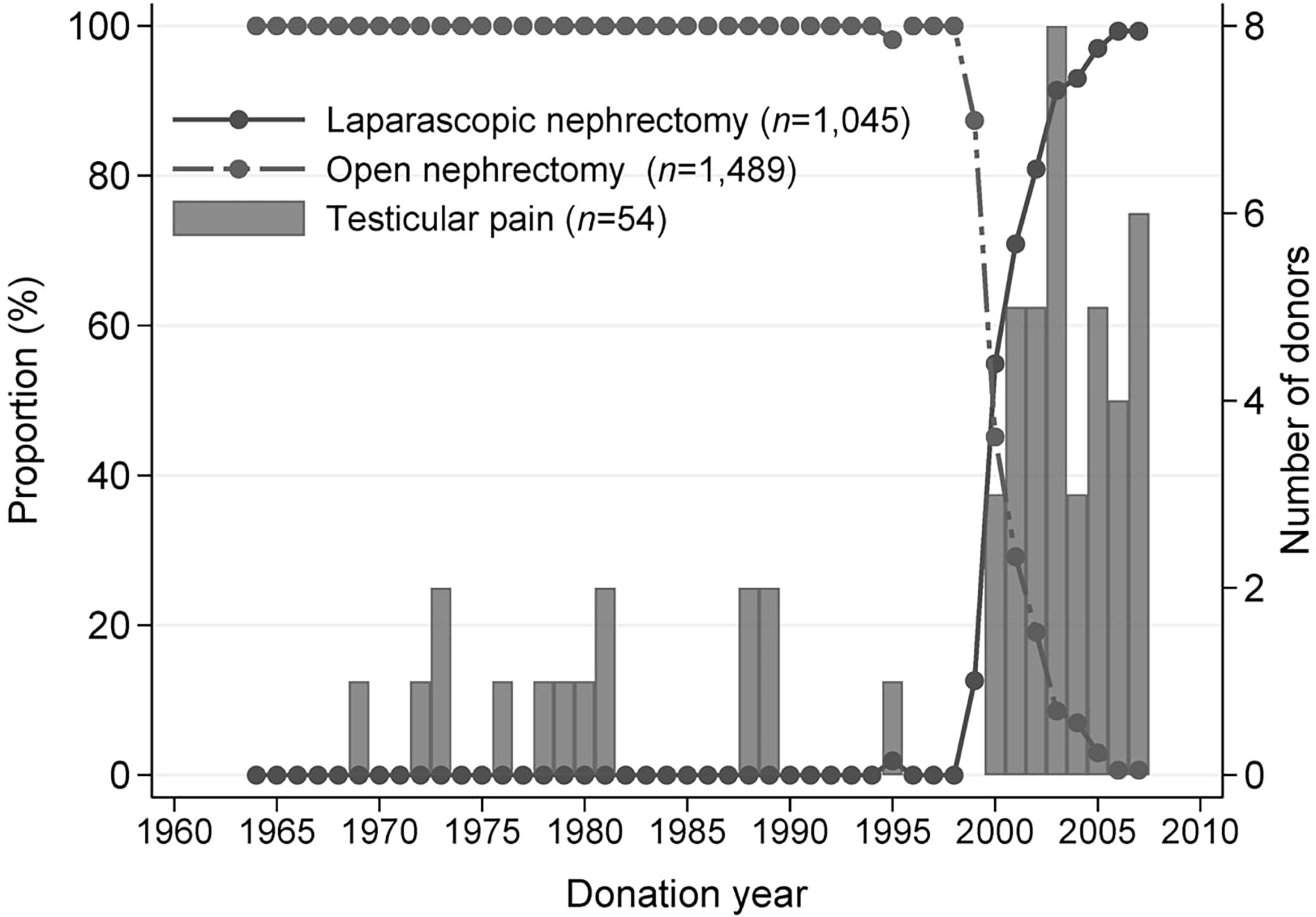
Interestingly, selling one kidney is legal in Iran, a system some critics say exploits impoverished donors. Other proponents argue it reduces organ shortages and can include safeguards for consent and surgical safety — protections that are absent in illegal organ markets.
What are the benefits of organ donation?
Donating a testicle or another organ is primarily an altruistic act. By definition, donation involves no financial reward. Donors receive no known health advantages from giving up a testicle. The benefit, in theory, would accrue to the recipient.
Testicles perform two main roles: producing most of the body’s testosterone and generating sperm.
A functioning transplanted testicle could normalize testosterone levels without lifelong hormone replacement therapy, as seen in the 1978 case. It could also enable the recipient to father children, although the offspring would carry the donor’s genetic material.
A transplant could additionally improve the recipient’s self-image and body satisfaction. That said, individuals who receive a prosthetic testicle after surgical removal commonly report high levels of satisfaction.
Donating a testicle might theoretically aid medical research, but requests for whole testicles are exceedingly uncommon. One unusual example is the canceled study Mark Parisi considered, which aimed to observe bodily reactions to a prosthetic and required testicle removal rather than transplantation.
Another rare scenario where researchers might want testicular tissue is in cases of testicular cancer, where scientists study the cancer cells. In those situations, only a small sample of the diseased tissue would be used. The affected testicle would not be considered for transplant into another person.
What are the next steps if you’re considering a testicle or other organ donation?
The Health Resources & Services Administration (HRSA) does not list testicles as organs available for living donation. For more information, you can call the United Network for Organ Sharing at 888-894-6361 or visit the UNOS website. Organs they do list for living donation include:
- one kidney
- a lobe of the liver
- a lung or portion of a lung
- part of the pancreas
- part of the intestines
You can donate many organs and tissues after death. You can register as an organ donor through the HRSA site or via your local motor vehicle agency.
Another option is donating your body to science after death. In some states, such as Florida and Texas, you can contact the state anatomical board; in others, you must reach out directly to medical schools or institutions. More state-by-state details are available here.
In extremely rare instances, researchers might seek testicular donations for studies. You can check ClinicalTrials.gov for current research related to testicles.
Takeaway
Theoretically, you could donate a testicle for research, but finding a group that needs one will be very difficult.
Testicular donations are seldom used for transplantation due to ethical complications. Only a few documented cases of testicle donation between people exist. In the United States, selling an organ for transplant is illegal.
For more on organ donation, visit the HRSA website. If you want to become an organ donor after death, you can register on their site or through your local motor vehicle department.





















Leave a Reply
You must be logged in to post a comment.