Find Ideal Workout with the Best Exercise Type Quiz

- Why Quiz Matters
- The science of sticking to it
- Balancing benefits and risks
- Quick self‑assessment vs. generic advice
- How Quiz Works
- Core categories the quiz evaluates
- Sample question breakdown
- Scoring algorithm basics
- Exercise Personas
- The Cardio‑Crusader
- The Strength‑Seeker
- The Mind‑Body Maven
- The Social‑Sweat Enthusiast
- Interpret Your Quiz Results
- Turn persona into a weekly schedule
- Goal‑setting with SMART
- Choosing equipment and budget
- Injury‑prevention checklist
- Real‑World Success Stories
- Case Study A – Busy Mom Finds Consistency
- Case Study B – Office Worker Reduces Stress
- User‑Generated Quote
- Expert Tips to Maximise Your New Routine
- Build a habit with the 2‑minute rule
- Track progress simply
- Nutrition basics for each persona
- When to seek professional guidance
- Resources & Further Reading
- Official quiz platforms
- Peer‑reviewed articles on adherence
- Free workout libraries
- Conclusion
Ever stare at a wall of workout options and wonder, “Which one is actually for me?” You’re not alone. The truth is, the exercise that feels right for you is the one you’ll actually stick with. The fastest way to uncover that answer is to take a best exercise type quiz. In just a few minutes you’ll get a clear picture of the routine that matches your personality, goals, schedule, and even any physical limitations. Ready to stop guessing and start moving? Let’s dive in together.
Why Quiz Matters
The science of sticking to it
Research from the American College of Sports Medicine shows that people who enjoy their workouts are three to five times more likely to keep exercising long‑term. It’s not magic; it’s psychology. When you love what you do, the “pain” of effort feels like progress, not punishment.
Balancing benefits and risks
Every type of movement carries its own set of advantages and potential strain. High‑impact cardio can boost heart health but may aggravate knee joints if you’re not prepared. Heavy‑weight training builds muscle but demands proper form to avoid injury. A targeted quiz helps you land on the sweet spot where benefits outweigh risks.
Quick self‑assessment vs. generic advice
Instead of scrolling through endless articles titled “Find the best type of workout,” a focused quiz narrows the field in seconds. It asks the right questions about your lifestyle, preferences, and constraints, then delivers a personalized recommendation.
How Quiz Works
Core categories the quiz evaluates
Goal orientation
Do you want to shed a few pounds, boost strength, lower stress, or improve endurance? Your primary goal shapes the ideal routine.
Preference style
Some people thrive on solo sessions, others crave the energy of a class. You might love a fast‑paced HIIT workout or prefer a calming yoga flow.
Practical constraints
Time, budget, equipment, and space matter. A busy parent may need short, equipment‑free circuits, while a gym enthusiast can invest in a subscription.
Sample question breakdown
One popular quiz from the British Heart Foundation asks: “How do you feel about investing money in a new hobby?” Your answer helps the algorithm match you with activities that fit both your enthusiasm and wallet.
Scoring algorithm basics
Each answer adds points to one of four “personas”: The Cardio‑Crusader, The Strength‑Seeker, The Mind‑Body Maven, or The Social‑Sweat Enthusiast. At the end, the highest‑scoring persona becomes your recommended workout style.
Exercise Personas
The Cardio‑Crusader
If you love the rush of a good sweat session, long runs, cycling, or HIIT, this is you. Cardio excels at improving heart health, burning calories, and boosting mood.
Sample routine (30‑min)
- 5‑minute dynamic warm‑up (leg swings, arm circles)
- 20‑minute interval run (1 min fast, 2 min jog)
- 5‑minute cool‑down stretch
Who should be cautious?
Those with severe joint issues should start with low‑impact options like swimming. A recent study found that proper footwear reduces knee stress by up to 30%.
The Strength‑Seeker
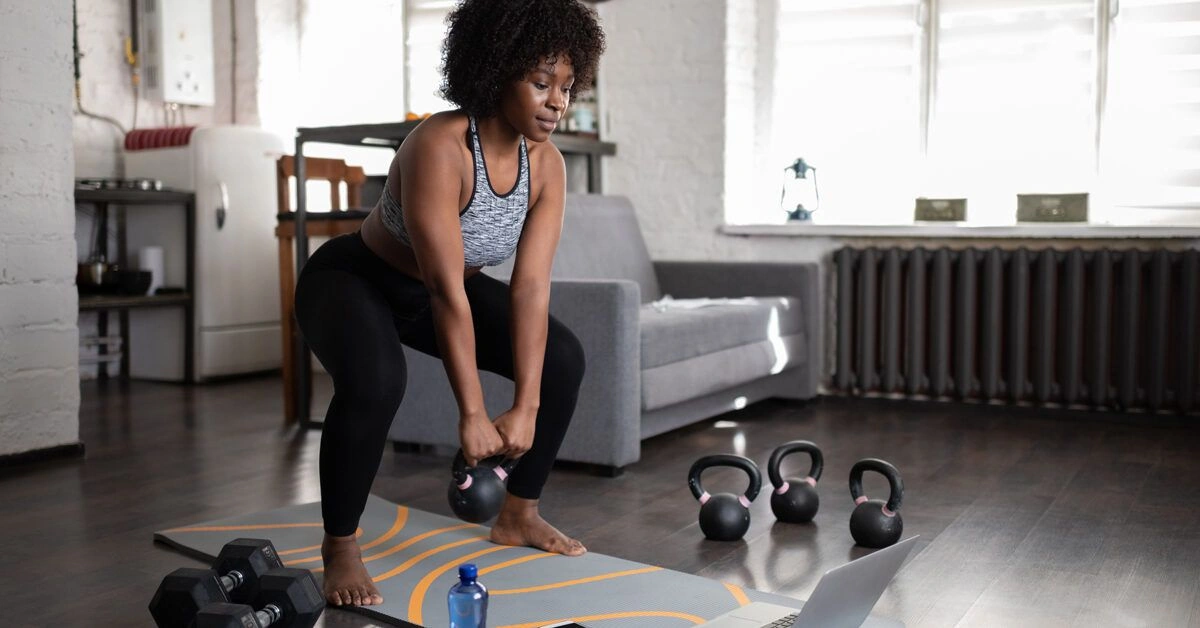
Weight‑training, kettlebells, and calisthenics are your playground. You crave measurable progress—adding plates, mastering a pull‑up, seeing muscles define.
Sample routine (3‑day split)
- Day 1: Upper body (bench press, rows, shoulder press)
- Day 2: Lower body (squat, deadlift, lunges)
- Day 3: Full‑body circuit (kettlebell swings, push‑ups, farmer’s walk)
Safety pointers
Start with lighter weight, focus on form, and gradually increase load. According to a certified physiotherapist, “progressive overload without proper technique is the fastest route to injury.”
The Mind‑Body Maven
You’re drawn to yoga, Pilates, or gentle stretching. Your goals are flexibility, stress relief, and a calm mind.
Sample routine (30‑min)
- 5‑minute breath work (inhale 4, hold 4, exhale 4)
- 20‑minute Vinyasa flow (sun salutations, warrior series)
- 5‑minute guided meditation
Benefits for stress
Research shows yoga can lower cortisol levels by up to 20%, helping you feel more relaxed and focused throughout the day.
The Social‑Sweat Enthusiast
You feed off group energy—dance classes, spin, team sports. The community factor keeps you accountable.
Sample routine (weekly)
- Monday: 45‑minute Zumba class
- Wednesday: 30‑minute HIIT with friends
- Saturday: Friendly soccer match
Why community works
Social connection releases oxytocin, a “bonding hormone,” which makes the workout feel rewarding and encourages consistency.
Interpret Your Quiz Results
Turn persona into a weekly schedule
Take the persona you received and slot it into a realistic calendar. If you’re a Cardio‑Crusader with a 30‑minute daily window, try three runs and two low‑impact cross‑training days each week.
Goal‑setting with SMART
Specific, Measurable, Achievable, Relevant, Time‑bound goals turn vague wishes into actionable steps. Example: “Run 3 km without stopping by week 4.”
Choosing equipment and budget
Not all personas need a gym membership. Below is a quick cheat‑sheet for low‑cost gear.
| Persona | Essential Gear | Approx. Cost |
|---|---|---|
| Cardio‑Crusader | Good running shoes, water bottle | $50‑$80 |
| Strength‑Seeker | Dumbbells or resistance bands | $30‑$120 |
| Mind‑Body Maven | Yoga mat, optional block | $20‑$40 |
| Social‑Sweat Enthusiast | Comfortable sneakers, class fee | $0‑$150/month |
Injury‑prevention checklist
- Warm‑up 5‑10 minutes (dynamic moves)
- Cool‑down stretch at the end
- Stay hydrated
- Listen to your body—pain ≠ discomfort
Real‑World Success Stories
Case Study A – Busy Mom Finds Consistency
Emma, a full‑time mom of two, felt guilty about missing workouts. The quiz placed her in the Social‑Sweat Enthusiast category. She joined a local “Mom’s Bootcamp” class on Tuesdays and Thursdays—just 45 minutes each. After four weeks, she reported three sessions per week, a noticeable boost in energy, and a happier mood.
Case Study B – Office Worker Reduces Stress
Mark worked at a desk for 10 hours a day and suffered from chronic tension headaches. His quiz result: Mind‑Body Maven. He started a daily 20‑minute yoga routine before work, using a simple YouTube guide. Within a month, his headaches reduced by 70% and his focus at work improved.
User‑Generated Quote
“I never thought I’d enjoy jogging, but the cardio‑crusader plan fit my love for nature walks. Now I’m training for a 5K!” – Sam, 29, software developer.
Expert Tips to Maximise Your New Routine
Build a habit with the 2‑minute rule
James Clear, author of Atomic Habits, recommends starting with a version of the workout that takes two minutes or less. Once the habit is built, you naturally expand it.
Track progress simply
Use a free spreadsheet or a phone app to log sessions, feelings, and any numbers (distance, weight lifted). Seeing progress on paper reinforces motivation.
Nutrition basics for each persona
- Cardio‑Crusader: Focus on carbs for energy (whole grains, fruit) and lean protein.
- Strength‑Seeker: Slightly higher protein (1.6‑2.2 g/kg body weight) to support muscle repair.
- Mind‑Body Maven: Emphasize hydration and anti‑inflammatory foods (berries, nuts).
- Social‑Sweat Enthusiast: Balance carbs and protein to fuel group classes without feeling sluggish.
When to seek professional guidance
If you have a chronic condition, are pregnant, or notice persistent pain, consult a qualified trainer or physiotherapist before progressing. A short consultation can personalize your plan and keep you safe.
Resources & Further Reading
Official quiz platforms
- British Heart Foundation quiz
- SELF.com fitness quiz
- TryInteract “What’s your workout personality?”
- Summa Health exercise personality quiz
Peer‑reviewed articles on adherence
For the curious mind, a recent review in Sports Medicine highlights the psychological factors that drive long‑term exercise adherence (see article ).
Free workout libraries
YouTube channels of accredited trainers—such as Jeff Coster’s “Athlean‑X” or Yoga with Adriene—offer high‑quality, no‑cost videos that align with each persona.
Conclusion
Finding the right workout no longer has to be a guessing game. By taking the best exercise type quiz, you get a clear, personalized roadmap that aligns with your goals, preferences, and life constraints. Remember, the ideal routine is the one you enjoy, feel safe doing, and can sustain over time. So go ahead—grab a few minutes, answer the questions honestly, and let the results guide your next move. Your future, healthier self will thank you.
What did your quiz reveal? Share your experience in the comments below, and let’s support each other on this fitness journey. If you have questions or need tweaks to your plan, feel free to ask—I’m here to help!
Frequently Asked Questions
The quiz asks a series of questions about your goals, preferences, schedule, and any physical limitations. Your answers are scored and matched to one of four workout personas—Cardio‑Crusader, Strength‑Seeker, Mind‑Body Maven, or Social‑Sweat Enthusiast—giving you a personalized routine.
Most versions take 5‑10 minutes. The questions are straightforward, and you receive instant results with a suggested weekly plan.
Yes. By identifying your activity level, joint health, and equipment access, the quiz recommends exercises that suit your body and reduces the risk of over‑use injuries.
Absolutely. The algorithm tailors recommendations for any fitness level, from a first‑time mover looking for low‑impact options to seasoned lifters seeking a new challenge.
Not necessarily. Each persona includes budget‑friendly alternatives—bodyweight moves, resistance bands, or simple home‑friendly gear—so you can start right away with what you already have.





Related Posts

Resistance Band Chest Workout: 7 Exercises You Can Do Anywhere
Sep 14, 2026 • 5 min read
Tire Workouts: What You Need to Know Before Starting
Sep 14, 2026 • 23 min read
Ballistic Stretching: Is It Safe?
Oct 3, 2026 • 7 min read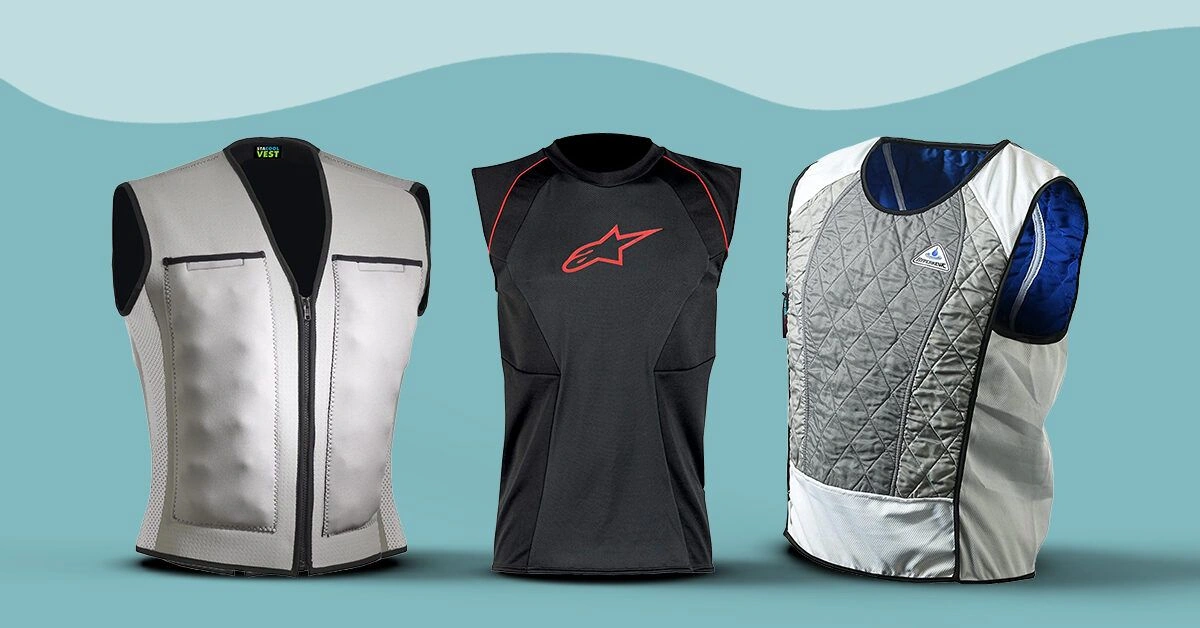
The 10 Best Cooling Vests for Multiple Sclerosis (MS)
Sep 23, 2026 • 18 min read
How Rear Lateral Raises Can Benefit Your Workout Routine
Sep 17, 2026 • 10 min read