Cloudy Urine: Causes, When It's Harmless and When to Get Checked

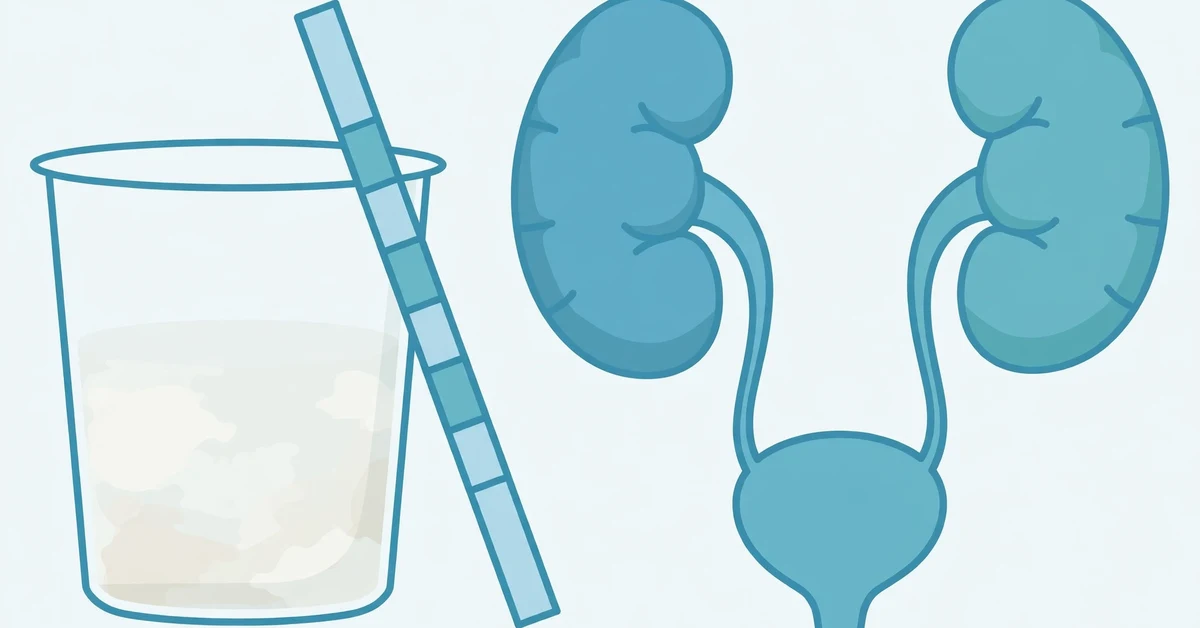
- Cloudy Urine vs Clear Urine: What “Normal” Actually Looks Like
- Cloudy Urine Causes, Ranked From Most Likely to Most Serious
- 1. Dehydration
- 2. Your recent meals (phosphaturia)
- 3. A urinary tract infection (UTI)
- 4. Vaginal discharge mixing in
- 5. Sexually transmitted infections
- 6. Kidney stones
- 7. Diabetes
- 8. Kidney problems
- 9. Medicines and supplements
- Cloudy Urine Plus One More Symptom: The Quick Decoder
- Cloudy Urine in Males: The Causes Women Don’t Get
- Cloudy Urine During Pregnancy
- How Doctors Pin It Down: The Tests in Plain Words
- Treatment: Fix the Cause, Not the Colour
- When Cloudy Urine Needs a Doctor
- Frequently Asked Questions
- Is cloudy urine dangerous?
- Can dehydration alone make urine cloudy?
- Why is my urine cloudy but I have no pain?
- What is the difference between cloudy urine and foamy urine?
- Can foods really turn urine white?
- References
You look down before you flush, and something is off. Your pee is normally a clear, pale yellow. Today it looks like someone stirred a splash of milk into it.
Try not to spiral. One cloudy pee, on its own, is almost never an emergency, and most episodes clear within a day or two.
What actually matters is the company it keeps. Cloudy urine plus burning, a fever, or back pain is a different story from cloudy urine that shows up after a big salad and vanishes by morning. Below: the causes in order of likelihood, how to read the combinations, and honest timeframes for when to watch, book, or go in the same day.
Cloudy Urine vs Clear Urine: What “Normal” Actually Looks Like
Healthy urine is pale straw-yellow and transparent – you could read through a glass of it.
Cloudy urine has lost that transparency. It looks hazy, milky, sometimes almost white. The cloud is made of tiny particles floating in the liquid – mineral crystals, white blood cells, mucus, bacteria, or discharge that hitched a ride on the way out. Those particles scatter light, which is why the urine looks foggy.
Don’t confuse cloudy with dark. Dark yellow or amber urine is usually just concentrated urine – the same normal pigment in less water. That’s a hydration problem, not a clarity problem, and it often sorts itself out after a couple of glasses of water.
Two traps catch people out. First, your first pee of the morning is naturally more concentrated and can look murkier than the rest of the day. Second, urine clouds as it sits: a sample left standing, or stored in the fridge, can turn hazy all by itself as salts fall out of solution. Judge your urine fresh, in the toilet bowl – not from a pot that’s been waiting around.

Cloudy Urine Causes, Ranked From Most Likely to Most Serious
Most articles list eight or ten causes as if they were all equally likely. They aren’t. Here’s the honest order.
1. Dehydration
The everyday champion. When you drink too little, your kidneys hold on to water and your urine becomes concentrated – darker, stronger-smelling, and sometimes hazy. Heat, a hard workout, or a stomach bug can all do it. The clue: it clears within hours of drinking properly. If a day of normal fluids fixes it, that was it.
2. Your recent meals (phosphaturia)
This one surprises people. Urine has a pH somewhere between 4.5 and 8, and what you eat shifts it. Meals heavy in fruit, vegetables, and dairy push urine more alkaline, and in alkaline urine, harmless phosphate crystals form and turn it milky-white. Cleveland Clinic lists alkaline urine as the single most common cause of cloudiness. It tends to appear after meals, causes no pain at all, and is gone by the next morning.
3. A urinary tract infection (UTI)
The cause most people are actually worried about – and sometimes rightly. When bacteria infect the bladder, your body sends white blood cells to fight them. Those cells, plus bacteria and mucus, end up in your urine and cloud it. The giveaway is that a UTI rarely travels alone: burning when you pee, needing to go far more often, urgency even when little comes out, and often a stronger smell. The NHS counts visibly cloudy urine as one of the recognised symptoms of a UTI in adults.

4. Vaginal discharge mixing in
In women, the urine itself is often innocent. Normal discharge increases at certain points in the cycle, and conditions like a yeast infection or bacterial vaginosis produce discharge that mixes with the urine stream on its way out. The pee looks cloudy; the urine never was. Clues: itching, irritation, or a change in discharge – but peeing itself doesn’t hurt.
5. Sexually transmitted infections
Chlamydia, gonorrhea, and trichomoniasis can all cloud urine, usually through white blood cells and discharge from an irritated urethra. Cloudy urine plus unusual discharge, irritation, or a recent new partner deserves an STI test – these infections are common, often quiet, and very treatable once named.
6. Kidney stones
Stones are crystals that grew too big. As they irritate the urinary tract or start to move, they can shed mineral debris and small amounts of blood into the urine. The signature is pain: a gripping ache in one side of your back or groin that comes in waves.
7. Diabetes
When blood sugar runs high for a while, the kidneys spill the excess sugar into urine, and that sugar can cloud it. Look at the whole picture: peeing more than usual, big thirst, tiredness. Cloudy urine is never the only sign of diabetes, but in that company it’s worth a blood sugar test.
8. Kidney problems
Less common, more important. A kidney infection (pyelonephritis) clouds urine with pus and bacteria and usually announces itself with fever and back pain. Kidneys that leak protein can also make urine hazy and foamy at once – foam that lingers instead of popping is the protein clue. Persistent cloudiness that won’t clear, especially with swelling in your ankles or face, belongs in front of a doctor.
9. Medicines and supplements
A few drugs change urine’s appearance directly – the bladder-pain drug phenazopyridine and the antibiotic rifampin can both make it look murky, and phosphate-containing supplements can nudge urine alkaline enough to cloud it. If the cloudiness started with a new medication, that’s a real clue. Mention it.
Cloudy Urine Plus One More Symptom: The Quick Decoder
Cloudiness alone tells you little. Cloudiness plus one more symptom tells you a lot:
| You notice | Most likely meaning | What to do |
|---|---|---|
| Cloudy + burning or stinging when you pee | UTI | Get a urine test; don’t just wait this one out |
| Cloudy + strong or fishy smell | Infection – UTI or a vaginal infection | Test if it lasts beyond a day or two |
| Cloudy + fever, chills, or back/side pain | Kidney infection | Same-day medical care – this one doesn’t wait |
| Cloudy + pink tinge or visible blood | Stone, infection, or irritation of the tract | Book promptly; urgently if pain is severe |
| Cloudy + lots of discharge or itching | Vaginitis or yeast, not the urine itself | Treat the vaginal cause; STI test if there’s any risk |
| Cloudy + foam that stays instead of popping | Protein in the urine – a kidney signal (see our guide to bubbles in urine) | Book a kidney check, especially if it keeps happening |
| Cloudy right after sex (men), no pain | Retrograde ejaculation | Usually harmless; mention it at a checkup if you’re trying for a baby |
Cloudy Urine in Males: The Causes Women Don’t Get
Men get most of the causes above, plus a short list of their own.
Prostate trouble. An infected or inflamed prostate (prostatitis) leaks white blood cells into the urine. It often brings a dull ache between the scrotum and back passage, a weak or stop-start stream, and a frequent urge to go.
Retrograde ejaculation. After orgasm, semen normally leaves through the penis. Sometimes the bladder neck doesn’t close properly and semen flows backward into the bladder instead, so your first pee afterwards looks milky. It’s painless and, on its own, harmless – it matters mainly if you’re trying to conceive. It’s more common after prostate surgery and with some diabetes and blood-pressure medicines.
One difference in attitude: UTIs are uncommon in men, so cloudy urine with burning or urgency in a man shouldn’t get watch-and-wait. Get it tested.
Cloudy Urine During Pregnancy
If you’re pregnant, cloudy urine is common and usually boring. Discharge increases throughout pregnancy and mixes with urine, and morning sickness makes drinking enough genuinely hard, so dehydration joins in.
But pregnancy lowers the bar for getting checked, for two specific reasons.
UTIs get treated, always. In pregnancy, a bladder infection is more likely to climb to the kidneys, and kidney infections raise the risk of early labour. That’s why urine gets dipped at prenatal visits even when you feel fine – and why cloudy urine with burning shouldn’t wait for the next appointment.
Preeclampsia is the serious one. Later in pregnancy, protein leaking into the urine is one of its earliest signs, alongside high blood pressure. Cloudy urine after week 20 plus a headache that won’t shift, vision changes, sudden swelling of your face or hands, or pain high in your belly – that combination means call your midwife, doctor, or maternity unit the same day. Not next week. The same day.
How Doctors Pin It Down: The Tests in Plain Words
A urine test sounds like one test. It’s really three, and knowing what each one sees makes your result much less mysterious. MedlinePlus describes a full urinalysis as a look at the urine’s appearance, its chemistry, and what’s floating in it under a microscope.
The look. Before any machine gets involved, someone checks your sample’s colour and clarity against the light. Yes, “cloudy” is an official finding – step one, not a guess.
The dipstick. A thin plastic strip with chemical pads is dipped in your urine, and the pads change colour within a minute or two. It checks for white blood cells (a sign your body is fighting something), nitrites (a fingerprint many bacteria leave behind), blood you can’t see, protein, sugar, and acidity. Two pads matter most here: white cells plus nitrites together point hard at a bacterial infection.

The culture. If the dipstick suggests infection, your sample may go to a lab and be spread on a dish to grow. Over one to three days the exact bacteria identifies itself, and the lab tests which antibiotic actually kills it. Slow, but it ends the guessing.
The microscope. A spun-down drop of urine under a microscope shows what no strip can: crystals (the type matters for stones), cells, and tube-shaped particles called casts that point at the kidneys.
One practical thing that genuinely changes results: give a fresh, midstream sample. Start peeing into the toilet, catch the middle part in the pot. The first splash washes out the urethra and any discharge sitting there – precisely the stuff that clouds samples and muddies results.
Treatment: Fix the Cause, Not the Colour
There’s no treatment for cloudiness itself, because cloudiness isn’t a disease. Treat what’s behind it:
- Dehydration and diet: drink normally – pale urine through the day is the target – and give it 24 to 48 hours.
- UTI: antibiotics, usually a short course. The NHS notes most women get three days of tablets, with symptoms easing within three to five days of starting.
- STIs and vaginitis: targeted treatment – antibiotics or antifungals depending on the culprit, and partners need treating too for STIs.
- Stones, diabetes, kidney problems: these need their own workup and plan. There is no home version.
And a firm word: don’t start leftover antibiotics from a bathroom cabinet because your urine looks odd. Wrong drug, wrong dose – and a muddied culture if you do end up needing one.
When Cloudy Urine Needs a Doctor
Watch at home if it’s a one-off, you feel completely well, and it clears within a day or two of drinking normally. That’s the dehydration-and-dinner pattern, and the most common story by far.
Book an appointment if it’s still cloudy after two to three days, if it keeps coming back, or if you’re pregnant, diabetic, or already have kidney disease – your threshold is lower, and rightly so.
Get seen the same day if cloudy urine arrives with any of these: fever or chills; pain in your back or side; vomiting; visible blood; severe burning; being unable to pee at all; or new confusion in an older person. Fever plus back pain is the kidney infection signature, and kidney infections can turn serious faster than people expect.
Frequently Asked Questions
Is cloudy urine dangerous?
Usually not. A single episode is most often dehydration or something you ate, and it clears within a day or two. It earns attention when it persists beyond two to three days, keeps returning, or shows up with pain, fever, or blood – combinations that point at causes needing treatment.
Can dehydration alone make urine cloudy?
Yes. Short on fluids, your urine becomes concentrated – hazier, darker, stronger-smelling. The test is simple: drink normally for a day and look again. If it clears, dehydration was your answer.
Why is my urine cloudy but I have no pain?
Pain-free cloudiness is common and usually benign – alkaline urine after plant-heavy meals, concentrated first-morning urine, or vaginal discharge mixing with the stream. Infections typically add burning, urgency, or a smell. If it’s painless but still there after two to three days, get a urine test anyway; a few causes, including early kidney problems, don’t hurt.
What is the difference between cloudy urine and foamy urine?
They’re different signs. Cloudy urine is hazy all through, caused by particles like crystals, cells, or discharge floating in it. Foamy urine has a head of bubbles on top, and foam that persists – rather than popping in seconds – can signal protein leaking from the kidneys. Brief foam after a fast, full-bladder pee is normal; foam that’s there most days deserves a kidney check.
Can foods really turn urine white?
They can. Meals heavy in fruit, vegetables, and dairy make urine more alkaline, and in alkaline urine, phosphate crystals form and give it a milky-white look called phosphaturia. It’s harmless, painless, typically appears after eating, and clears by the next morning. If white urine is there every day regardless of meals, get it checked – persistent milkiness has other, rarer causes.
References
- Cleveland Clinic. Cloudy Urine: Causes, Treatment & What Does It Mean. my.clevelandclinic.org
- MedlinePlus (U.S. National Library of Medicine). Urinalysis. medlineplus.gov
- NHS inform. Urinary Tract Infection (UTI). nhsinform.scot
- Harvard Health Publishing. Common Causes of Cloudy Urine. health.harvard.edu
General information only – not medical advice. Worried? Talk to a doctor or pharmacist.
Read Next

Why You Get Hiccups When Drinking (And How to Stop Them)

The Post-Lunch Crash Is Real — And It's Mostly About Blood Sugar

What Causes Peau D’Orange?

Clitoris Pain and Swelling: Causes, Relief, and When to See a Doctor
Atherosclerosis of the Aorta: Plaque in Your Body's Largest Artery

What Is Tamarind? A Tropical Fruit with Health Benefits
Related Posts
Bubbles in Urine: Normal Causes vs. Signs of Protein in Urine
Nov 20, 2026 • 21 min read
Can Apple Cider Vinegar Treat Kidney Stones?
Sep 6, 2026 • 5 min read
Condom Catheters: How and When to Use
Sep 24, 2026 • 18 min read
Peeing with an Erection Isn’t ‘More Difficult Than Childbirth,’ But It Can Be Challenging
Sep 5, 2026 • 6 min read
6 Resistance Band Exercises for Shoulders
Sep 19, 2026 • 19 min read