

Why Potassium Gets Overlooked
Let’s start here: Have you ever squinted at a prescription and wondered, “Uh, what is an mEq, and why isn’t this just in milligrams like everything else?” SAME. My first potassium chloride prescription was a blur—20 mEq somewhere between cryptic algebra and secret spa code. Seriously, my brain was not ready. But if you’ve found yourself here, good news…we’re about to turn supplement-speak into plain-English.
Potassium gets ignored until things feel off. Your energy plummets, your muscles do unannounced calisthenics in the middle of the night, or your heart just doesn’t feel like it’s beating to your normal rhythm. That used to sound dramatic to me, but honestly? Potassium’s like the behind-the-scenes DJ for your whole body, spinning tracks for muscles, nerves, hydration, and even your heartbeat.
Surprise! Cramping Up?
Could It Be Potassium?
You know those charley horses that hit just when you’re dozing off? Or the bizarre fatigue that’s more “Why am I dragging?” than “I need more coffee?” That was me, once upon a workout binge. I was obsessed with fitness, slamming water, sweating buckets…and then, wham, muscle cramp city and dizzy spells. Turns out, I was neglecting potassium—big time.
Turns out, low potassium (aka hypokalemia) is a sneaky villain for athletes, gym fans, and anyone who sweats, uses certain meds, or just had a rough stomach bug. Research on potassium deficiency in athletes connects hard training sessions or sauna-level summers to big potassium losses. Once, during an August run, even water tasted weird—muscle weakness and headache followed. My doctor asked if I’d eaten bananas lately. Who knew potassium could be THAT important?
Real-Life Eyes Open Moment
An Everyday Wake Up Call
Pop in a true story: My friend Kelly pushed through her “summer of HIIT classes.” Weeks into her new routine, she couldn’t kick leg cramps, and her heart kept doing a weird little flutter. Bloodwork: potassium just under target, thanks to all those sweat sessions and a sneaky diuretic prescription. Her doc handed her a script for potassium chloride tablets and…well, cue our confused Google session about mEq and mg. (If you’ve been there, you know.)
Decoding the Numbers: Potassium Chloride 20 mEq to Mg
So…What’s 20 mEq Actually Mean?
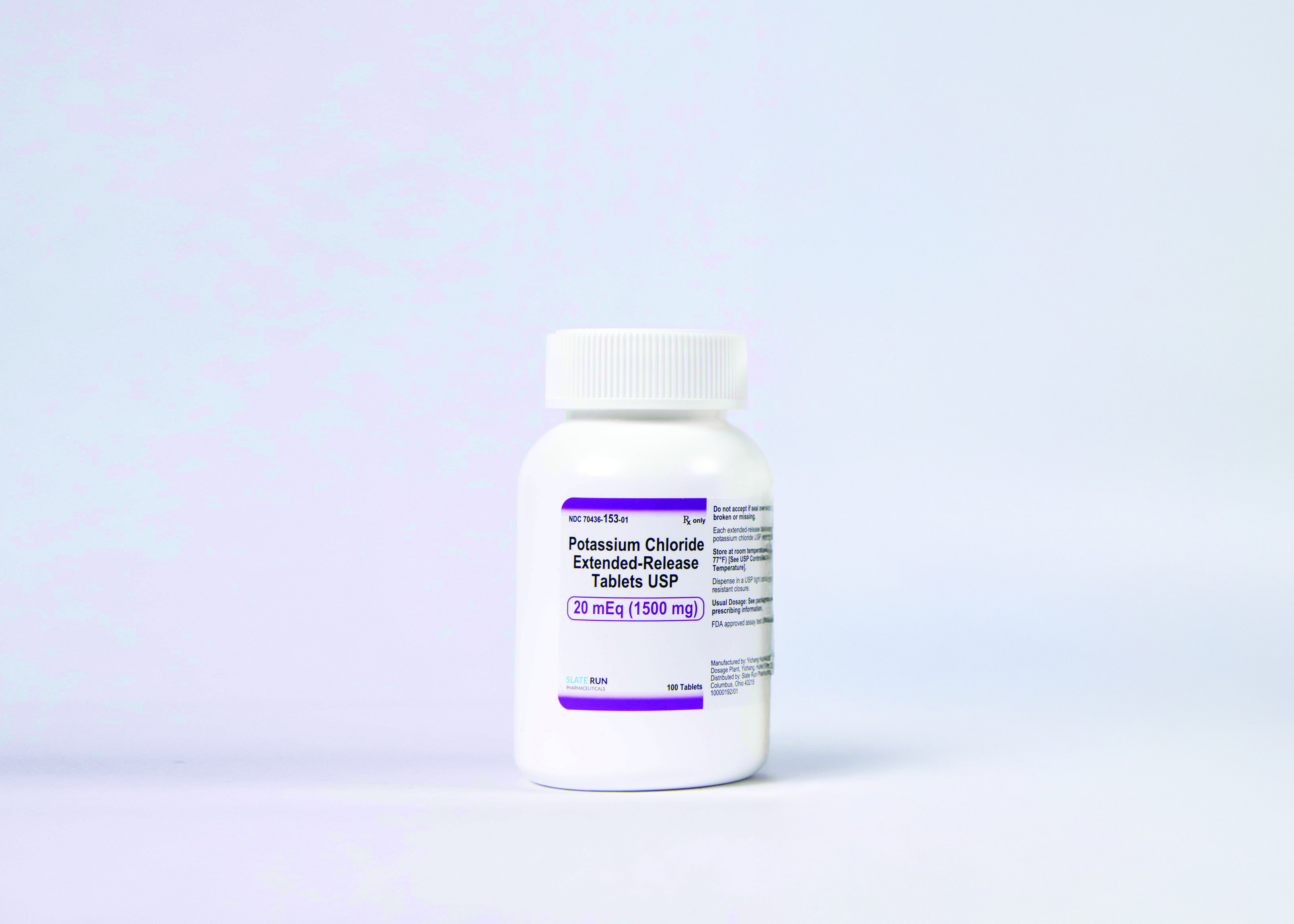
So, you’re handed potassium chloride 20 mEq. You want the translation. Let’s break it down. First, mEq stands for “milliequivalent”—science’s twisty way of measuring the effect minerals like potassium have on your system, not just the weight. Milligrams (mg), on the other hand, are what we’re used to: grams…but mini.
Here’s the kicker: with potassium chloride, 20 mEq doesn’t mean 20 mg. It’s a lot more. The conversion math goes like this: for potassium, 1 mEq equals 39 mg of elemental potassium conversion chart on Nafwa.org. But if you want the milligrams for the compound—the full potassium chloride supplement—it’s about 75 mg per mEq. That means 20 mEq of potassium chloride equals 1500 mg of the supplement. Not kidding, it’s a big pill for your body!
Quick Peek: The Magic Table
| mEq Dose | mg of Potassium Chloride | mg of Elemental Potassium |
|---|---|---|
| 10 mEq | 750 mg | 390 mg |
| 20 mEq | 1500 mg | 780 mg |
| 21 mEq | 1575 mg | 819 mg |
You don’t have to do the math in your head. If your prescription says potassium chloride 20 mEq, it’s 1500 mg of potassium chloride or about 780 mg of actual potassium.
Why All the Confusion?
These units trip up SO many people because mEq is about electrical charge in your body, not direct weight. (It’s about how powerful potassium is at doing its job—think of it as measuring the “umph” of your supplement, not just the physical size.) But when labels just toss both numbers at you, it feels like you’re reading a chemistry pop quiz. Even pharmacists get questions on this every single day.
If in doubt, ask your doc or pharmacy for the mg too. Or just check your prescription insert—the info is often buried in there.
When Does Supplementing Make Sense?
Eat, Sweat, Repeat…But Is It Enough?
Some days, a spinach salad and high-fives seem like enough. Other days? You’re guzzling water after spin class, snacking on chips, and—let’s be real—probably sweating out more than you’re taking in. That’s when supplements like potassium chloride show up in doctor’s orders.
A LOT of folks actually get enough potassium by munching on bananas, sweet potatoes, spinach, and beans. But there are perfectly good reasons your body might fall behind: diuretics, heart meds, certain digestive conditions, epic workouts, or even chronic stress. Sometimes, doctors just want to prevent a dip before it gets serious. That’s where the prescription (and the mEq math) comes in—especially if your numbers are riding the low line.
For more on how these extended-release tablets fit into the big picture, take a peek at What is potassium cl 20 mEq er tablets used for. The post walks through why doctors reach for this exact dosage and what types of patients usually need it.
Should I Self-Supplement?
Big nope. Too much potassium can be risky (think: heart rhythm issues). Always check in with your healthcare team before you grab an extra bottle off the supplement shelf. If you’ve ever had kidney issues, heart trouble, or are taking other meds, squaring away your potassium dose and timing—plus those lab checks—absolutely matters.
Catching the Clues: Is Your Potassium Low?
The Sneaky Signs
Here’s the deal: Potassium deficiency doesn’t always stand up and announce itself with a flashing sign. Sometimes, it tiptoes in. Early signs? Tiredness out of nowhere, muscle twitches, random palpitations, or just a general “off” feeling.
If you’re an everyday athlete—heck, even if you’re just walking more now than you were pre-pandemic—listen to your body. A surprising number of active folks are at high risk for low potassium and don’t even realize it. Research on potassium and muscle cramps points out that everything from dehydration to diet changes can knock potassium low.
Fitness Fans Beware
Drop in another real-life story: A marathoner I know trained through a streak of hot days, sweating constantly—but ignoring nutrition because “hydration was enough.” Spoiler: Not enough. She ended up with wild muscle cramps, and a very concerned coach who recognized the classic low-potassium warning signs. Lesson learned: water + potassium go hand in hand, especially when training is intense.
Potassium Supplements: How, When, Why?
Making Sense of Schedules
Once your doctor gives the thumbs-up for potassium chloride, you’ve got to pay attention to timing and technique. Take it with food and plenty of water—otherwise, your stomach may get annoyed. And absolutely do not crush, chew, or split extended-release tablets. That “slow-release” part is there for a reason…swallow whole or bust.
What surprised me most? You can’t always feel potassium dropping until it’s, well, dropped. Sometimes it only shows up in bloodwork—or, if you’re unlucky, after a scary muscle spasm or a visit to the ER for off-heartbeat drama.
Pills vs. IV vs. Food: Which Wins?
| Form | Pros | Cons | Who Wants This? |
|---|---|---|---|
| Oral Tablet | Easy, non-scary, works for most | Stomach upset, slow to act | Everyday user, mild deficiency |
| IV | Fast correction, precise | Needs hospital setting, riskier | Severe deficiency, urgent fix |
| Food Sources | Tasty, natural, low-stress | Might not be enough with high loss | Everyone, for maintenance |
Honestly, most of us land on oral tablets, unless your doctor says otherwise.
Side Effects: Real? Or Hype?
Not going to sugarcoat it…potassium chloride can have side effects, especially if your stomach’s sensitive or you’re on a high dose. Top complaints are digestive: burping, nausea, little jabs of abdominal pain. Rarely, big doses or underlying kidney problems can lead to potassium going too high (which starts a whole new drama with your heart). That’s why the “don’t DIY this at home” rule is key.
Give the rundown a read at Potassium chloride 20 mEq to mg side effects—it’s really clear about what’s common, and what’s a call-the-doc situation.
Simple Tips to Beat the Bloat
Hide your potassium in the middle of breakfast. Chase it with a full glass of water, not coffee. Odd as it sounds, set a reminder. Skipping or doubling doses won’t help. And don’t forget to tell your doc about all the other meds and supplements you’re juggling. (Your kidneys like to stay in the loop.)
Food Fixes: Potassium on Your Plate
Food First, Always
Never underestimate what your plate can do! Everyday swaps (sweet potatoes for fries, adding spinach to smoothies, beans in your salad) can deliver BIG potassium boosts—often without you even noticing. It’s not just bananas, promise.
On “no supplement” days, I like loading my meals with potassium superstars: avocados, yogurt, lentils, even orange juice. Sometimes it feels like power-upping in real life—who needs a cape? (Okay, maybe just a snazzy apron.)
But if you’re training hard or dealing with medical stuff, keep those lab results coming. Your best mix of food + supplement might shift with the seasons, your goals, or your health. Got questions? Bring your doc into the kitchen conversation.
Kitchen Story: Cooking My Way Up
I once had a dietitian challenge me to a “potassium kitchen week.” Seven days, all meals tracked, no supplements unless my energy tanked. Outcome? Most days, I nailed it! But one rough workout and high sweat day, and I slid into the “whoa, why am I so tired?” zone. Which…yeah, was proof that real-life isn’t perfect, but your efforts add up.
The Wrap-Up: Potassium Chloride 20 mEq to Mg—You Got This
Here’s what I hope sticks: Potassium chloride 20 mEq to mg isn’t just “pharmacy speak”—it’s a way to translate your doctor’s advice into something you can see, feel, and actually work with. It’s about staying proactive, not perfect. If you’re prescribed those 20 mEq potassium chloride tablets, you’re taking 1500 mg of the supplement; don’t let the numbers throw you for a loop. Understanding this conversion lets you ask smart questions, notice how your body feels, and…hopefully…dodge those surprise cramps or blah days.
Let’s keep it real. Life is unpredictable, and so are our bodies. If you’re curious how potassium fits into your world—whether you’re coming back from a wicked workout, battling low energy, or troubleshooting new meds—don’t be shy about asking for that mg translation. And always peek at trusted resources like What is potassium cl 20 mEq er tablets used for and Potassium chloride 20 mEq to mg side effects if something feels murky.
So tell me…what’s your go-to potassium booster? Are you more about sweet potatoes, powder packets, or that classic banana? Drop your thoughts, share a story, or just keep this info in your back pocket for when you need it. Here’s to steady energy, happy muscles, and never letting a weird unit of measure trip you up again!



















Leave a Reply
You must be logged in to post a comment.