
Guess What’s Hiding?
Let’s just get one thing out of the way: corn isn’t just a “side dish.” You know, the yellow food people plop next to their burgers at family picnics? Turns out, there’s way more happening in those sweet, crunchy little nuggets—even if you weren’t thinking about it while chasing the dog away from your plate. (Been there.)
And honestly, if you’ve ever brushed off corn as just filler—well, I totally used to as well. But if you’ve ever crashed mid-afternoon or wondered why you feel bloated after fries but not after corn, there’s a juicy little story behind it. Let’s dig in. I promise it’s more interesting than a nutrition lecture—we’re not doing that today.
Where Do All Those Calories Go?
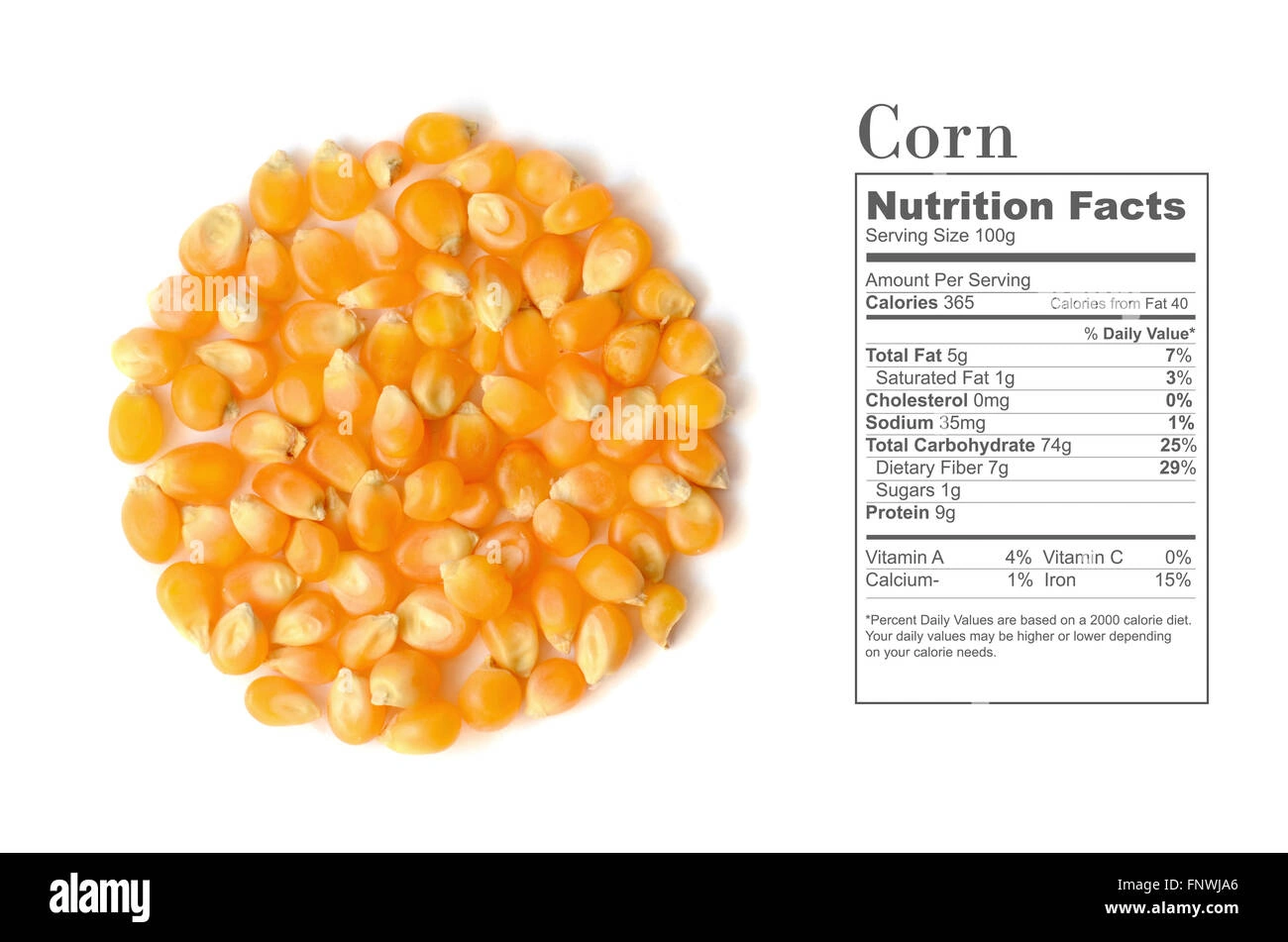
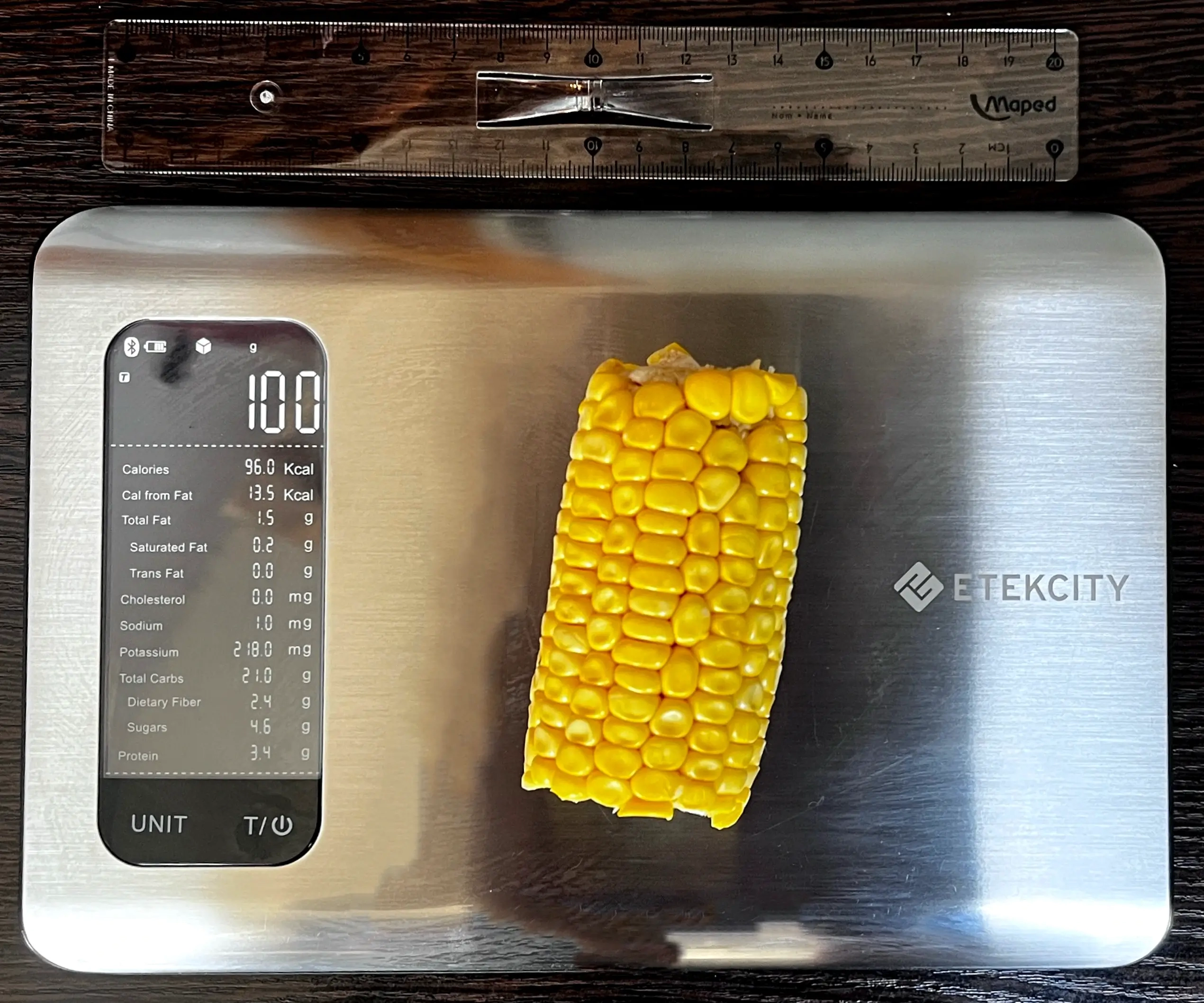
First off: have you ever looked at a pile of corn and thought, “Wait, is this actually healthy, or am I just pretending?” Good news. A 100g serving of sweet yellow corn clocks in at about 86–96 calories—less than a small cup of rice or pasta, but it feels more satisfying. Magic? Nope. Just… corn stuff.
So what’s happening, calorie-wise? Most of those calories come from carbohydrates (we’ll get to the fiber bit in a sec)—with a bonus splash of protein and almost no fat. In fact, 100g gives you about 21g carbs, 3.4g protein, and 1.5g fat. And let’s not gloss over the sugars: just 3–4.5g, which is less than an apple. Way less than a candy bar. (You deserve both, but balance, right?)
Is There Really So Little Sugar?
Yup! Even sweet corn. Only about 4g per 100g, which basically means it’s not going to send your blood sugar to the moon then leave you napping at your desk. The carbs in corn are mostly complex, slow-burning, and paired with fiber. So next time you’re picking a snack before a workout or a long walk? Corn’s kind of a sneaky winner.
And just for fun, here’s a quick peek at how corn stacks up:
| Food (per 100g) | Calories | Carbs | Protein | Fat | Sugar |
|---|---|---|---|---|---|
| Corn (sweet, yellow) | 86–96 | 19–21g | 3.2–3.4g | 1.2–1.5g | 3–4.5g |
| White Rice | 130 | 28g | 2.7g | 0.3g | 0g |
| Boiled Potato | 77 | 17g | 2g | 0.1g | 0.8g |
I swapped fries for corn at lunch on a dare once—my afternoon was way less sluggish, and I didn’t find myself scrounging in the pantry at 3pm. Who knew? If you’re still curious, Yellow Corn Nutritional Value per 100g does a nice deep dive, too.
Protein? In Corn?
Okay, so we all hear about the protein powerhouses—chicken, tofu, Greek yogurt… you get it. But corn? Turns out, there’s more corn protein per 100g than you might think. About 3.2–3.4g to be precise.
It’s not a steak, but for a veggie, it holds its own—especially compared to other typical “side” veggies. And if you double up (hello, big salad or corn soup), that protein count actually matters for recovery or keeping you full. Want to geek out on the details? This corn protein per 100g resource breaks down how corn can fit into higher-protein plant-based diets. Worth peeking at if you’re, say, toying with flexitarian eating and don’t want to eat beans all the time.
How To Use Corn’s Protein Smarts?
If you ever roast a tray of veggies and toss in some corn, you’re doing your muscles (and your stomach) a favor. I started mixing corn into taco salads when training for a 10K—wasn’t expecting it, but I didn’t feel hungry two hours later, and my legs bounced back faster. Maybe not science-level proof, but there’s something to it!
Here’s a little cheat sheet:
| Veggie | Protein (per 100g) |
|---|---|
| Corn | 3.4g |
| Carrot | 0.9g |
| Broccoli | 2.8g |
Not bad for a little yellow grain, huh?
Is Corn Only About Starch?
You might be thinking, “Wait, isn’t corn super starchy? Will it spike my energy then send me crashing?” Honestly… not really. Here’s why: the glycemic index of corn is about 52. That’s considered low, meaning it won’t shoot your blood sugar up like a piece of white bread or a can of soda.
Plus, the fiber in corn—2.4 to 2.7g per 100g—slows things down even more. Translation: you stay fuller, longer. Big deal for people who get hangry (guilty) or need steady energy for a run, a hike, or just not dozing off at your desk.
And fun fact: the yellow corn nutritional value isn’t just about carbs. There’s a little bump of potassium (around 270mg)—like a banana, but without the mushy texture.
Have You Ever Noticed—
Has your gut ever felt happier after eating corn than, say, after a double helping of bread? Fiber… it’s a game changer. You don’t realize how sluggish you can feel when you skip it, or how, um, regular things are until you stop getting enough. I had a string of days without veggies (don’t ask), and corn rescued my routine within 48 hours. Just saying.
Best ways to crash-proof your lunch:
- Add a half-cup of corn to salads or grain bowls.
- Mix with black beans—fiber AND protein, all in one go.
- Try corn as a base for salsas. (It’s way brighter than those boring jarred versions.)
Your Mood Needs This Vitamin
Ever have a rough day where you just need food that makes you smile? Corn brings a subtle mood lift, thanks to vitamins hiding in its sunny yellow color—mainly niacin (B3), folate (B9), and vitamin C.
Each 100g serving sneaks in about 1.7–2.5mg of niacin, 36–42mcg of folate, and close to 6–7mg vitamin C. It’s not going to replace your multivitamin, but every little bit counts. Niacin is famous for supporting normal energy (so you get less of that mid-afternoon “meh”), and folate is all about cell repair—which matters for workouts, recovery, and, yes, healthy hair.
If you want to get super nerdy, the Yellow Corn Nutritional Value per 100g page unpacks this in neat tables. I don’t bring spreadsheets to dinner, but I’ll take the mood boost, thank you very much.
So… Can Corn Really Help With Fatigue?
Turns out, lots of folks short on B vitamins feel tired, run-down, even moody. I started tossing corn in my post-run meals this summer, and…I swear, my second wind actually shows up. One friend (shout out to Ellie) switched her “blah” pasta lunch for a corn salad and felt less like crawling under her desk at 2pm.
Some vitamin MVPs, right here:
- Niacin: supports energy metabolism.
- Folate: helps with cell repair (hello, pretty skin).
- Vitamin C: keeps your immune system squared away—useful, honestly, with how much is floating around school and work these days.
Sweet, But Smart—Not Just Sugar
Remember when you read the sugar stats earlier and thought, “Is corn secretly like fruit?” Not really. Sure, there’s 3–4.5g sugar per 100g, but it’s naturally paired with fiber, minerals, and a surprisingly good amount of potassium (218–270mg). That means it hydrates better than crackers, especially after sweating it out at the gym.
Feel like all food is too complicated lately? Here’s one swap that works: take your usual carbs (crackers, white bread, chips) and try corn instead. I had a client—a busy nurse—do this for just two weeks. Lost a few pounds, but more importantly, her 10am energy slump disappeared. (She did add coffee, but… baby steps.)
Oh, and if you’re tracking your macros for a race or fitness plan, corn’s sweet spot is in corn protein per 100g compared to most other grains.
Weight Watchers, Keto Curious, or Just Snacky?
Corn’s net digestible carbs (about 19g per 100g) make it fit for a balanced plate—not too heavy, not too light. Plus, with its low glycemic load, you might actually crave fewer sweets, weirdly enough. Snackers unite.
Here’s why corn measures up:
- Only 86–96 calories for a full 100g snack.
- Loads of potassium—your muscles will thank you, seriously.
- Just enough sweetness to kill a craving naturally.
Not Just Another Grain
After all this, you might be rethinking that “corn’s just a side” perspective. It shows up in everything—salads, chili, salsas, post-gym snacks. Honestly, it’s way more versatile than people admit. Trick is, we forget what’s hiding in the kernels: steady fuel, gentle on the gut, with a quietly powerful nutrient boost.
And yeah, there’s always more to learn. If you want more nerdy details about micronutrients, good news. Yellow Corn Nutritional Value per 100g is packed with the technical bits, like magnesium, oxalates (low—good for kidneys!), and acidity. (Because the best food is the one that fits your actual lifestyle.)
This Kernel Packs a Punch
Let’s wrap this up, friend-to-friend: don’t sleep on corn. Seriously. It’s not just food for barbecues and movie nights—every 100g is a mini jackpot of steady carbs, plant protein, B vitamins, and a goldmine of potassium and fiber. For people chasing energy, muscle recovery, or happier digestion, it quietly does its thing in the background. And it tastes amazing, which… yeah, still matters.
Next time you’re prepping lunch, roasting dinner, or just need a snack that won’t pull you down—toss a handful of corn on your plate. Play around with it: grill it, throw it in soup, mix it with beans for a complete protein punch (thanks to that corn protein per 100g). Notice how you feel. More energy? Fewer cravings? Happier gut? Tag me or drop a note—what recipes keep corn in your meal rotation? You might be surprised what a difference it makes. Here’s to another simple, delicious win for your health.

















Leave a Reply
You must be logged in to post a comment.