How to Build a Sustainable Fitness Routine for Long-Term Health

- 1. Start With Realistic Fitness Goals
- 2. Choose Activities You Enjoy
- 3. Follow a Balanced Weekly Exercise Schedule
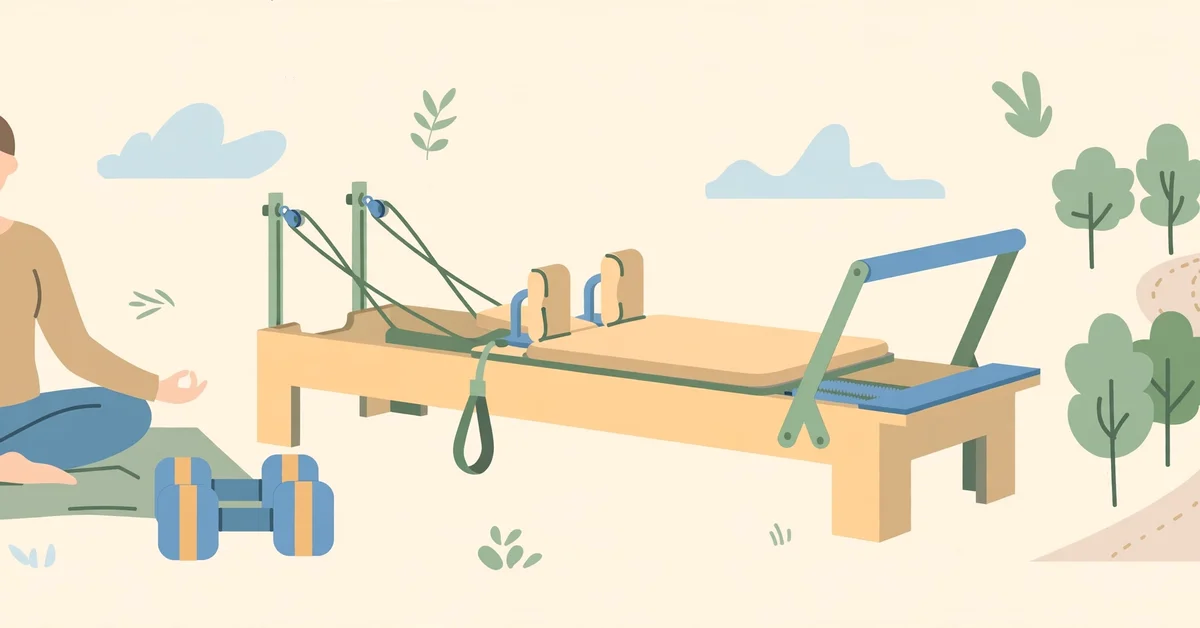
- 4. Understand the Benefits of Pilates
- 5. Include Yoga for Flexibility and Relaxation
- 6. Consider Suitable Exercise During Pregnancy
- 7. Maintain Healthy Eating and Hydration Habits
- 8. Give Your Body Enough Time to Recover
- 9. Stay Active Throughout the Day
- 10. Track Your Progress and Stay Consistent
- Conclusion
Staying fit is not just about losing weight or building muscles. It is about developing healthy habits that improve your energy, strength, flexibility and overall well-being. Regular physical activity supports heart health, helps maintain muscle strength and contributes to better mental wellness. Choosing a suitable Pilates studio can help beginners explore guided workouts, learn correct exercise techniques and develop a consistent approach to physical activity.
However, many people find it difficult to maintain a regular fitness routine. Busy schedules, unrealistic goals and a lack of motivation can interrupt progress. Some people begin with demanding workouts but struggle to continue because their exercise plans do not fit their daily responsibilities.
The key to long-term fitness is to choose activities that suit your lifestyle and create habits that are easy to maintain. A balanced routine does not need to be complicated. Small improvements, regular movement and proper recovery can make a meaningful difference over time.
1. Start With Realistic Fitness Goals
Before starting a fitness programme, decide what you want to achieve. Your goals may include improving stamina, building strength, increasing flexibility, maintaining a healthy weight or becoming more active throughout the day.
Start with small steps instead of making sudden changes. For example, if you are not physically active, begin with a 15-minute walk each day. As your stamina improves, gradually increase the duration or introduce another activity.
Setting achievable goals makes exercise more manageable and helps you stay motivated. You can also divide larger goals into smaller weekly targets. Completing these targets gives you a clear idea of your progress.
2. Choose Activities You Enjoy
Exercise becomes easier to maintain when you enjoy doing it. You do not always need expensive equipment or long gym sessions to stay active. There are several activities that can help improve your physical fitness.
Some activities worth including in your routine are:
Walking: Supports cardiovascular health and increases daily physical activity.
Cycling: Helps improve stamina and lower-body strength.
Swimming: Provides a full-body workout and is a low-impact activity.
Yoga: Supports flexibility, balance, breathing and relaxation.
Pilates: Develops core strength, posture, stability and body control.
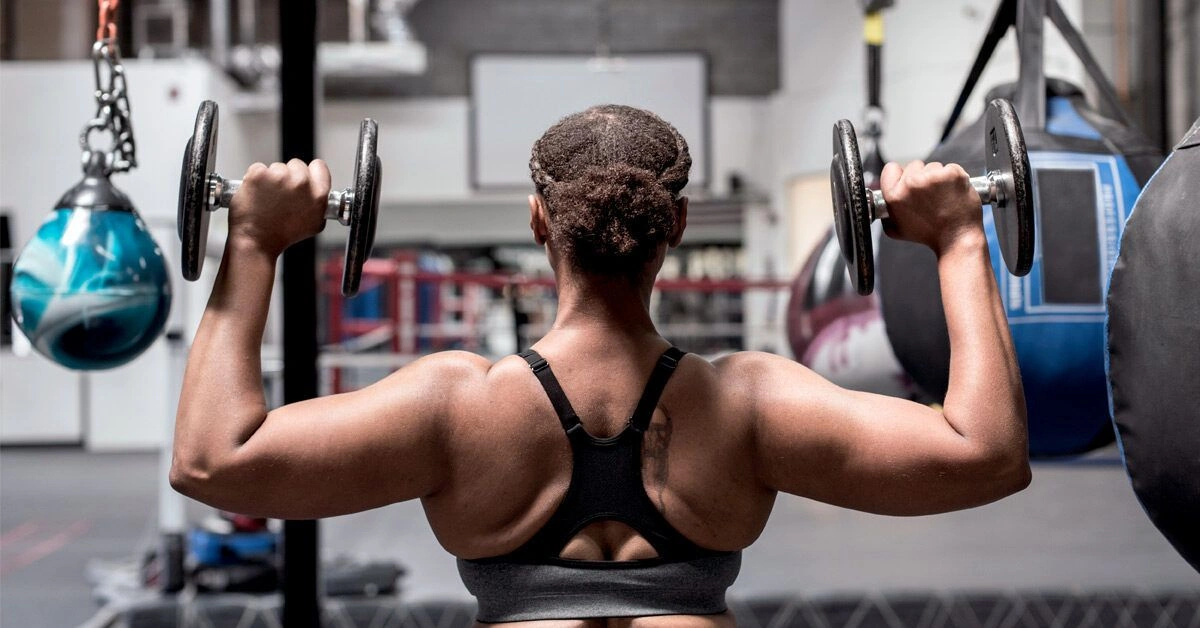
Strength training: Helps maintain healthy muscles and supports everyday movements.
Trying different activities can help you discover what works best for your interests and schedule. You can also combine different exercises throughout the week to keep your routine interesting.
The best activity is often the one you can perform regularly without feeling overwhelmed. If you enjoy your workouts, maintaining consistency becomes easier.
3. Follow a Balanced Weekly Exercise Schedule
A balanced exercise routine should include cardiovascular activities, strength training and flexibility exercises. Each type of exercise supports a different aspect of physical health.
The World Health Organization recommends that adults complete 150 to 300 minutes of moderate-intensity aerobic activity each week. Muscle-strengthening exercises involving major muscle groups are also recommended at least twice weekly.
Here is an example of a simple weekly fitness schedule:
| Day | Activity |
|---|---|
| Monday | Walking and stretching |
| Tuesday | Strength training |
| Wednesday | Yoga or Pilates |
| Thursday | Cycling or swimming |
| Friday | Strength training |
| Saturday | Walking or dancing |
| Sunday | Rest and recovery |
Beginners can start with shorter sessions and gradually increase their activity. People with more experience can adjust the schedule according to their fitness goals and recovery needs.
4. Understand the Benefits of Pilates
Pilates is a form of exercise that focuses on controlled movements, breathing, posture and core stability. It can be a useful addition to a balanced fitness routine for people who want to improve body awareness and movement control.
Many Pilates exercises involve the abdominal muscles, back, hips and other areas that contribute to core stability. Regular practice can help develop strength, balance and flexibility.
People interested in structured training can explore a pilates studio to learn about available classes, equipment and instructor qualifications. Beginners may benefit from guided sessions where instructors explain movement techniques and help participants understand proper form.

5. Include Yoga for Flexibility and Relaxation
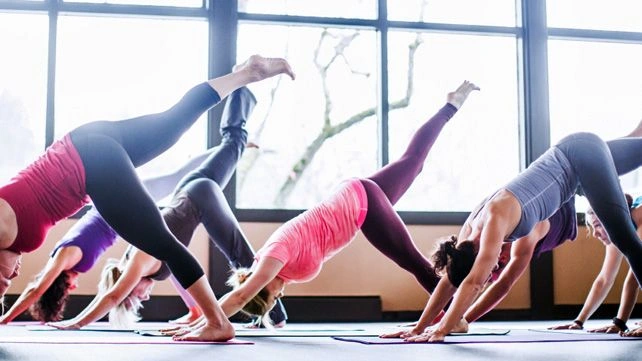
Yoga is another activity that can complement strength training and cardiovascular exercise. It combines physical postures, breathing techniques and relaxation practices.
Different yoga styles offer different levels of intensity. Some focus on gentle stretching and relaxation, while others involve more physically demanding movements.
Regular yoga practice may help improve flexibility, balance and body awareness. It can also provide an opportunity to slow down and focus on breathing after a busy day.
You do not need to perform advanced poses to benefit from yoga. Beginners can start with basic movements and gradually develop their practice under appropriate guidance.
6. Consider Suitable Exercise During Pregnancy
Physical activity during pregnancy should be approached according to individual health requirements and medical advice. For many healthy pregnancies, appropriate exercise may help maintain general fitness and support physical well-being.
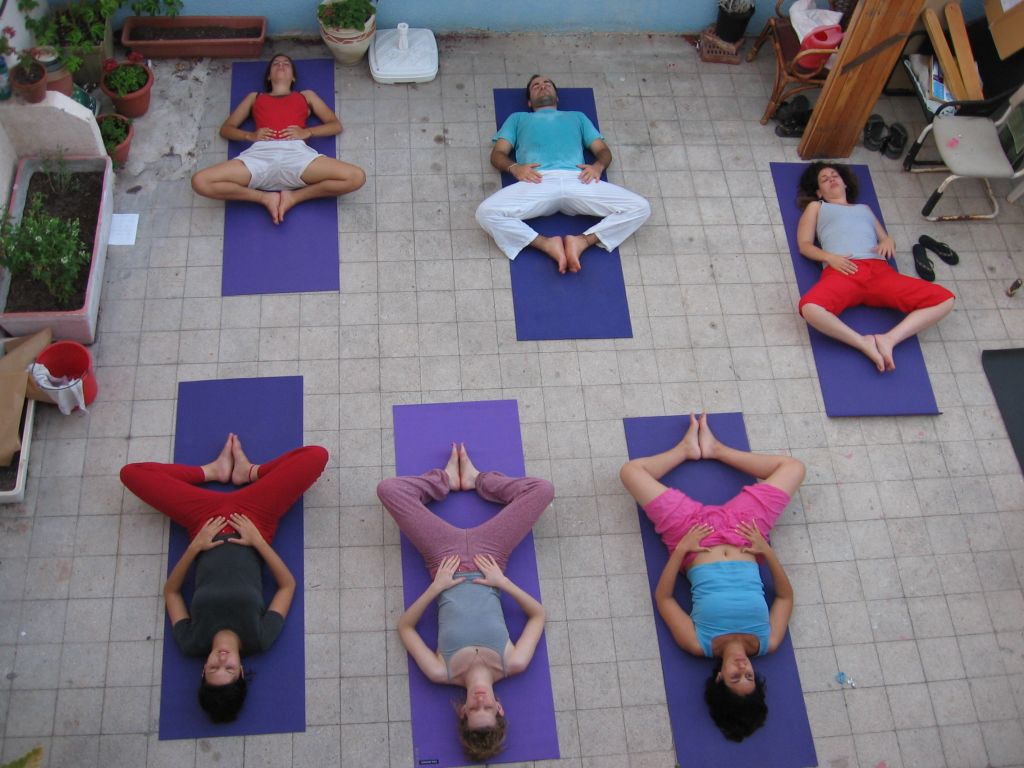
Prenatal yoga is one activity that expecting mothers may consider after consulting their healthcare professional. Pregnancy-focused classes generally include modified movements, gentle stretching and breathing exercises designed to accommodate changing physical needs.
It is important to choose a qualified instructor who understands pregnancy-related exercise requirements. Certain poses and movements may need modification depending on the stage of pregnancy and individual circumstances.
Expecting mothers should avoid exercises that cause discomfort and follow their healthcare professional’s recommendations. Anyone experiencing pregnancy complications should receive individual medical guidance before exercising.
The aim is to maintain comfortable movement rather than achieve demanding fitness targets.
7. Maintain Healthy Eating and Hydration Habits
Exercise alone is not enough to support long-term health. Balanced nutrition, hydration and sufficient sleep are also important parts of a healthy lifestyle.
Your body needs different nutrients to maintain energy, support muscle function and recover after physical activity. Include a variety of vegetables, fruits, whole grains, protein-rich foods and healthy fats in your meals.
Protein-rich foods support muscle maintenance and repair, while carbohydrates provide energy for everyday activities and exercise. A varied diet helps provide the nutrients needed for general health.
Drinking enough water throughout the day is equally important. Your fluid requirements may increase during exercise or hot weather.
8. Give Your Body Enough Time to Recover
Rest and recovery are important parts of every fitness routine. Your body needs time to adapt to physical activity, particularly after demanding workouts.
Include rest days in your weekly schedule, especially when beginning a new exercise programme. Gentle walking, stretching and mobility exercises can be suitable options on lighter activity days.
Getting sufficient sleep also supports physical recovery and general well-being. Try to maintain a regular sleeping schedule and avoid increasing workout intensity too quickly.
Pay attention to how your body responds to exercise. Persistent pain, unusual fatigue or discomfort should not be ignored. Reduce activity when needed and seek professional advice if symptoms continue.
9. Stay Active Throughout the Day
You do not need to exercise for hours every day to become more active. Simple lifestyle changes can increase daily movement and reduce long periods of sitting.
Consider including these habits in your everyday routine:
Take short walking breaks during work.
Use stairs when possible.
Walk while talking on the phone.
Stretch after sitting for long periods.
Choose walking for suitable short-distance journeys.
Spend some free time doing outdoor activities.
These small changes are especially helpful for people who work at desks or spend much of their day sitting.
Daily movement can complement planned workouts and help make physical activity a natural part of your lifestyle.
10. Track Your Progress and Stay Consistent
Motivation may change from day to day, so it is helpful to create a routine that does not depend entirely on how motivated you feel.
Choose convenient workout timings and include exercise in your weekly calendar. Preparing your workout clothes in advance and setting simple reminders can also make it easier to follow your schedule.
Track improvements beyond body weight. Better stamina, improved balance, stronger muscles, greater flexibility and increased energy are all meaningful signs of progress.
If you miss a workout, do not feel discouraged. Return to your routine when possible instead of trying to make up for every missed session with extra exercise.
Consistency is not about being perfect. It is about continuing to make healthy choices even when your schedule changes.
Conclusion
Building a sustainable fitness routine requires patience, consistency and realistic goals. Choose enjoyable activities, combine different forms of exercise and give your body enough time to recover. A balanced approach that includes walking, Pilates, yoga and strength training can support different aspects of physical health. Salt Fitness encourages individuals to explore these activities and develop healthy exercise habits that fit their everyday lifestyles.
Whether you are exploring guided workouts, improving your flexibility or considering prenatal yoga with appropriate medical guidance, focus on activities that suit your physical needs and lifestyle.
Long-term health does not depend on short periods of intense exercise. It develops through small, consistent habits that make staying active a natural part of everyday life. By choosing realistic goals, maintaining balanced nutrition and allowing enough time for recovery, you can build a fitness routine that supports your well-being for years to come.
Medical disclaimer: This article is for general information only and is not medical advice. It is not a substitute for professional medical advice, diagnosis, or treatment. Always talk to your doctor or another qualified healthcare professional before starting a new exercise programme, especially if you are pregnant, have a medical condition, or take medication.


Related Posts

The 10 Best Cooling Vests for Multiple Sclerosis (MS)
Sep 23, 2026 • 7 min read
8 Alternatives to Leg Curls
Sep 14, 2026 • 17 min read
How Long Should You Rest Between Sets?
Nov 24, 2026 • 12 min read
The No BS Guide to Building Lean Muscle
Sep 19, 2026 • 13 min read
How Rear Lateral Raises Can Benefit Your Workout Routine
Sep 17, 2026 • 31 min read