
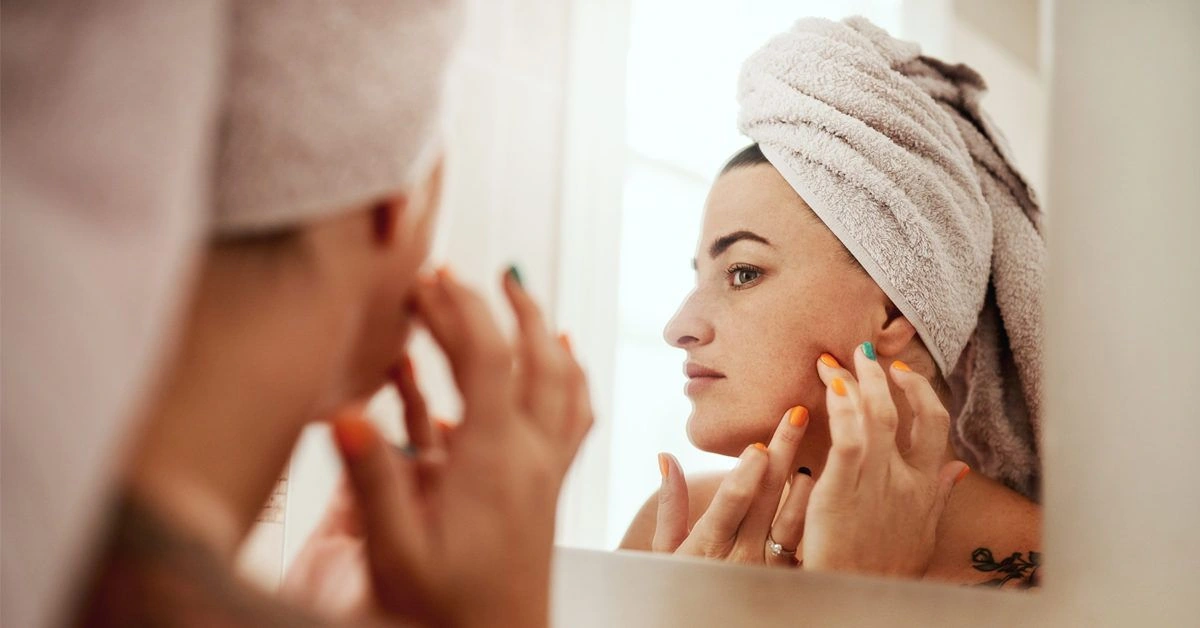
The basic rule of facial extraction is understanding that not every pore should be squeezed.
Yes, doing your own extractions can feel incredibly gratifying. But it isn’t always the best option for your skin’s health.
You need to be able to tell which spots are ready to be popped and which ones should be left undisturbed.
Most importantly, you should know how to extract without ending up with irritated, raw skin.
Keep reading for practical guidance and answers to common questions.
When to leave your face alone
Before diving into the satisfying part, it’s important to recognize when your skin will respond poorly to squeezing and prodding.
“When you squeeze the skin and ‘burst’ the pimple, you’re creating a tear in the skin, which then needs to heal and can leave a scar,” explains dermatologist Dr. Tsippora Shainhouse.
While some blemishes can be safely removed (we’ll cover those below), others can become inflamed or infected if manipulated by you or by a practitioner.
Completely avoid deep or painful nodules, like cysts. These usually appear red and bumpy with no obvious head.
There’s nothing to extract from these types of breakouts, and trying to pop them can cause prolonged, more severe redness and swelling.
Additionally, you’re likely to produce a dark spot or scab that may be more noticeable than the original blemish.
If needed, a dermatologist can properly drain a cyst.
When to do it yourself
“I don’t recommend attempting to extract any pimples other than blackheads,” says dermatologist Dr. Joshua Zeichner.
“Blackheads are essentially dilated pores that are filled with sebum [the skin’s natural oil],” explains Zeichner, director of cosmetic and clinical research in dermatology at Mount Sinai Hospital in New York.
He notes blackheads can often be removed safely at home because they tend to have a wide opening to the surface.
Some people insist whiteheads are safe to extract on your own, but Zeichner is cautious.
Whiteheads commonly have a smaller surface opening. This often means the pore should be opened before attempting to remove its contents.
It’s generally safer to leave whiteheads to a professional to avoid harming the skin.

How to do it yourself
Dermatologists and aestheticians are typically uneasy about people performing extractions at home. But if you must, do it properly.
First: don’t pick at your skin right before bed, warns Zeichner. You’re more likely to injure your skin if you’re drowsy.
When fully alert, gently cleanse and exfoliate to soften the skin and make extraction easier.
Softening the pore contents is also important. Achieve this by taking a warm shower, using a hot compress, or leaning over a bowl of hot water.
Next, wash your hands thoroughly. This helps keep dirt and bacteria from being reintroduced into your pores during extraction.
Although you can use your fingers, it’s better to cover them with tissue, wear gloves, or press with two cotton swabs.
Rather than squeezing from both sides, press down gently, advises dermatologist Dr. Anna Guanche, founder of Bella Skin Institute in Calabasas, California.
Ideally, you’ll only try once. But two or three attempts are acceptable, shifting your pressure around the area.
If nothing comes out after three attempts, leave the spot alone. And if you notice clear fluid or blood, stop applying pressure.
You may feel slight discomfort, but extracting should not be painful.
A properly removed blemish may appear red initially, but it will start to heal without looking severely inflamed.
Stubborn spots may need a comedone extractor tool or even a needle — tools best used by a trained professional.
After extraction, you usually don’t need much. Zeichner recommends a gentle, fragrance-free moisturizer to soothe and hydrate the skin.
If the area is open or raw, a topical antibiotic ointment can be used. Avoid heavy creams or products with acids that could further irritate or block pores.
When unsure, it’s often best to leave the skin alone until the next day.
When to see a pro
“When you place pressure onto a pimple, the pimple may not always pop in an outward fashion,” explains Guanche.
“Often the pimple will rupture inward, and when keratin is pushed where it shouldn’t go, this can cause inflammation and additional harm, including scarring.”
Although she prefers extractions be performed by professionals, she acknowledges some lesions truly require expert treatment.
Inflammatory acne, such as pustules, should be handled by a pro, as they may necessitate a sharp instrument to open the skin.
Attempting this at home can spread bacteria and aggravate the existing lesion.
Never try to remove milia yourself. They can resemble whiteheads but are firmer and often need a blade-like tool for proper removal.
If you have an upcoming event, consider letting a dermatologist or licensed aesthetician manage extractions to prevent unnecessary irritation.
How to find a pro
Aestheticians commonly perform extractions during facials.
If possible, look for an aesthetician with a few years of experience. Ask friends and family for referrals if you need suggestions.
If you opt for a dermatologist, confirm they’re board-certified through the American Board of Dermatology or the American Academy of Dermatology.
Expect to pay more to see a board-certified dermatologist; fees around $200 are common.
Aestheticians typically charge about $80 for a facial.
What to expect from a pro
The procedure closely mirrors the steps you’d take at home.

If you use prescription topicals or other treatments, your provider may suggest stopping them for a few days prior to your appointment.
Continuing certain products can raise the chance of irritation.
It’s not critical if you arrive with makeup, since the skin will be cleansed and steamed before extraction.
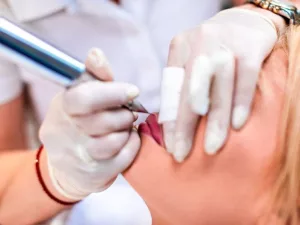
During the procedure, your provider will wear gloves and may use metal instruments, so you could experience mild discomfort. Speak up if the pain becomes intolerable.
Soothing and antibacterial products are applied afterward. Some clinics also use technologies like light therapy to further calm the skin.
If extractions are part of a facial, your skin might break out a day or two later — a normal and typically positive response called skin purging.
Overall, redness usually subsides within 24 hours, and extracted spots should begin healing.
When to do it again
Extractions aren’t a single-time fix. Pores will clog again, so periodic treatments may be needed.
Shainhouse, who practices at Beverly Hills’ SkinSafe Dermatology and Skin Care, suggests limiting extractions to once or twice monthly.
This schedule gives the epidermis — the outer skin layer — time to heal and reduces inflammation or trauma.
Meanwhile, you can help calm your skin by:
- using noncomedogenic products that won’t block pores
- moisturizing and exfoliating on a regular basis
- applying a clay or mud mask weekly
Also consider addressing contributing issues like facial tension or incorporating gentle treatments such as microneedling under eyes only under professional guidance, and balance masks like a cucumber face mask into your routine for extra soothing.
The bottom line
Experts generally advise leaving extractions to professionals.
But if visiting a clinic isn’t feasible, following the steps above will lower your chances of significant redness, swelling, or scarring.
















Leave a Reply
You must be logged in to post a comment.