
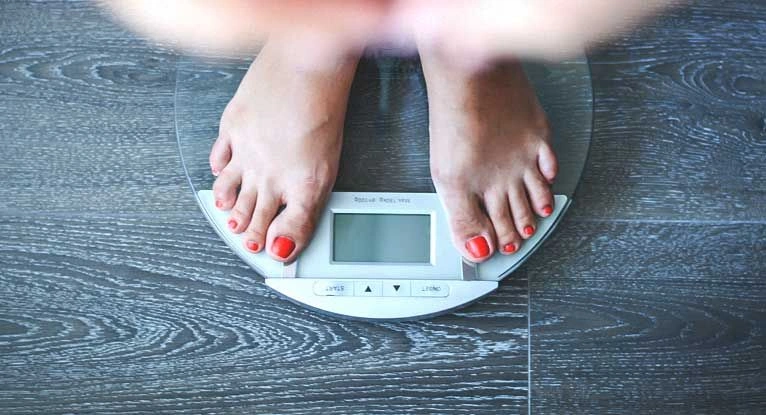
You might notice some short-term weight loss after your gallbladder is taken out. Maintaining that weight change over time depends on eating a balanced diet and keeping active.
If you’re prone to painful gallstones, the usual fix is to surgically remove the gallbladder. This operation is known as a cholecystectomy.
The gallbladder is a component of your digestive tract that stores bile, which the liver produces.
Bile aids in breaking down fatty foods. Taking out the gallbladder doesn’t halt bile production by the liver. Instead of being held in the gallbladder, bile will continuously drip into your intestines.
There may be a link between what you eat and gallstone formation. Being obese or losing weight very quickly raises your risk for gallstones. Diets high in refined carbs and calories but low in fiber also increase risk.
Your digestive system will still function without a gallbladder. The operation can influence your weight briefly, but certain lifestyle adjustments can help you lose or preserve weight long term.
Will gallbladder removal cause me to lose weight?
It’s fairly common to see some weight drop after gallbladder surgery. Possible reasons include:
- Cutting out fatty foods. After the operation, digesting rich, greasy foods may be difficult until your body adapts. For this reason, your surgeon may advise avoiding high-fat and fried items until you tolerate them better.
- Eating milder foods. During recovery you may discover that spicy or gas-producing foods upset your stomach, which can make you avoid certain favorites.
- Choosing smaller portions. For several weeks after the procedure, you may not be able to eat large meals at once. You’ll likely be encouraged to eat smaller, more frequent meals.
- Healing from surgery. If you had an open procedure rather than a laparoscopic one, you may face more postoperative pain, discomfort, and a longer recovery, all of which can reduce appetite.
- Having diarrhea. One potential side effect after gallbladder removal is loose stools. This commonly improves within a few weeks.
During this period you may consume fewer calories than before surgery. If so, temporary weight loss is likely.
Managing your weight post-procedure
Even without a gallbladder, you can lose weight the usual way. Rapid, short-term dieting isn’t healthy and can worsen outcomes over time.
Instead, aim to incorporate weight loss into a healthier lifestyle. That means making smart food choices and exercising regularly. It doesn’t require starving yourself or completely cutting out foods you enjoy.
If you need to lose a significant amount of weight, consult your doctor about safe approaches. Working with a dietitian or nutritionist can also be helpful.
Tips for weight management
Whether your goal is to drop pounds or maintain your current weight, the healthiest approach is creating sustainable lifestyle habits. Unless your physician prescribes a specific medical diet, there’s no universal special diet required.
Here are practical guidelines for healthy eating:
- Emphasize vegetables, fruits, whole grains, and low-fat dairy. If fresh produce isn’t available, frozen or canned options are similarly nutritious—provided they don’t contain added sugars, sauces, or excess salt.
- Include lean proteins like fish, poultry, eggs, beans, and nuts.
- Pick foods low in added sugars, sodium, saturated and trans fats, and cholesterol. Steer clear of processed snacks and fast-food items high in empty calories.
Portion control is important—avoid taking in more calories than you expend.
Physical activity is essential for managing weight and offers many other health benefits.
If you’re not exercising now, begin gently and gradually extend your sessions. Walking is an excellent starting point.
Aim for 150 minutes per week of moderate-intensity aerobic activity, or 75 minutes of vigorous activity. You can combine moderate and vigorous exercise to meet these targets.
To see weight loss, you may need to do more exercise than these baseline recommendations in addition to maintaining healthy eating habits.
If you have health issues, check with your doctor before beginning a vigorous fitness program.
Other effects of gallbladder surgery
The gallbladder can be removed through a larger abdominal incision, though laparoscopic surgery—using several small cuts—is more common today. Laparoscopy usually means a shorter hospital stay and quicker recovery.
Beyond the standard risks of surgery and anesthesia, temporary side effects can include loose stools, bloating, and gas. These symptoms may persist from weeks to a few months.
Contact your physician if you experience:
- worsening diarrhea
- fever
- signs of infection
- abdominal pain
The bottom line
For the first few days after surgery, a bland diet is often best. To reduce indigestion and bloating right after the operation, try these suggestions:
- Cut out fried and fatty foods.
- Avoid spicy items and foods that cause gas.
- Limit caffeine.
- Eat smaller meals and include healthy snacks between them.
- Gradually increase fiber in your diet.
After the first week, slowly reintroduce new foods. In most cases you’ll be able to return to a normal, balanced diet in a short time.
Once you’re fully healed and your digestion has stabilized, aside from steering clear of very fatty meals, you’re unlikely to have ongoing dietary limits because of gallbladder removal. If you’re concerned about related symptoms such as gallbladder bloating, or have questions about changes in body composition similar to those seen with weight loss after iud removal, discuss them with your healthcare provider.
















Leave a Reply
You must be logged in to post a comment.