

Liquid I.V. is generally considered safe for use while pregnant. That said, it’s crucial to consult your obstetrician or primary care provider before beginning any new supplement. They can determine whether a product like this is appropriate for your unique situation.
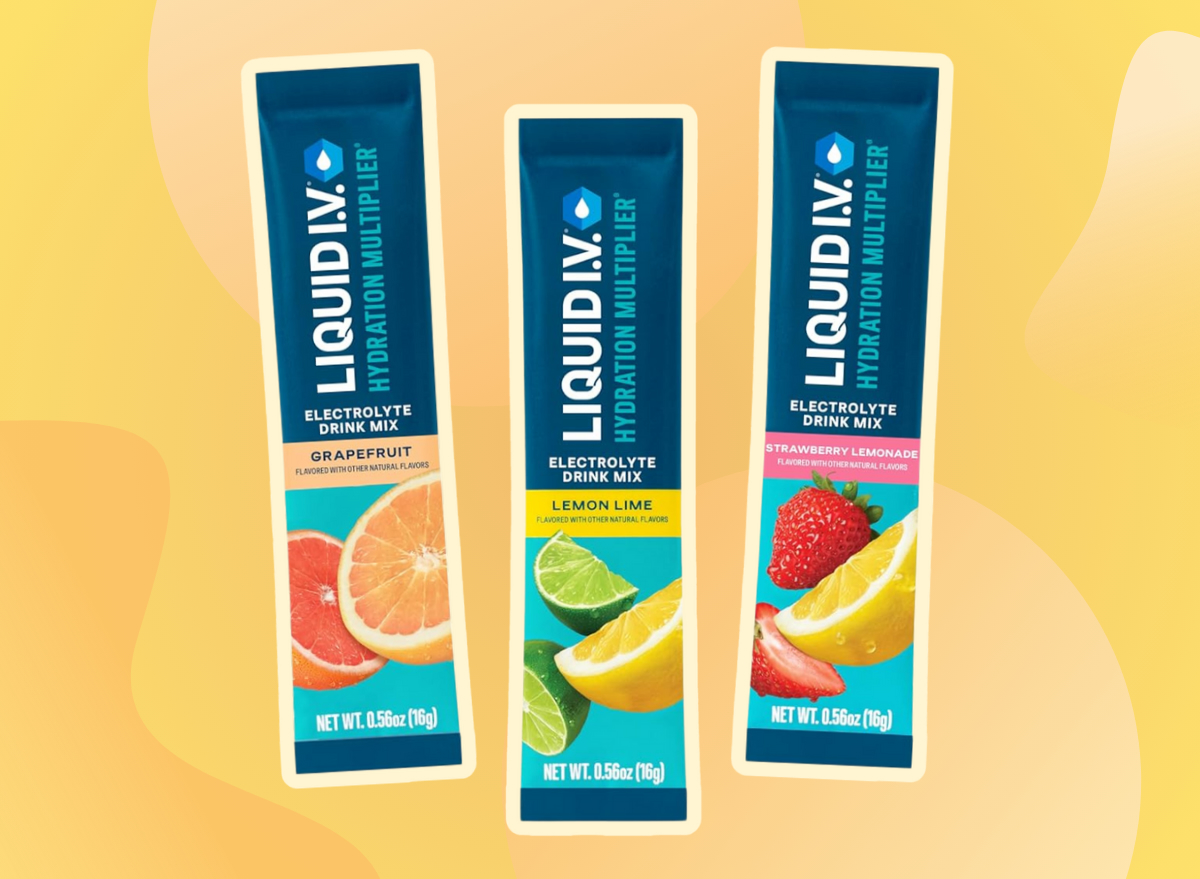
Liquid I.V. is a powdered blend of electrolytes and vitamins designed to be mixed into a beverage to enhance hydration. Maintaining adequate fluid levels is particularly important in pregnancy, since expecting people often require more fluids due to an expanded blood volume.
During pregnancy, blood volume may rise by 45% to 55%, which means higher fluid intake is commonly advised. Nutrient needs also increase, so a nutritious diet rich in fruits, vegetables, and protein is essential to support both you and your developing baby.
Keep reading to find out whether Liquid I.V. is appropriate in pregnancy, and for practical tips on maintaining hydration and meeting increased nutrient requirements.
Can I take Liquid I.V. while pregnant?
Always check with your healthcare provider before starting any dietary supplement. Your clinician can recommend which supplements, if any, are suitable for your particular case. If your provider thinks it’s warranted, Liquid I.V. is generally safe to use during pregnancy.
Adhere to the manufacturer’s directions and avoid exceeding the advised amount. For those who are pregnant or breastfeeding, the suggested intake is one stick per day.
How does Liquid I.V. support hydration?
Liquid I.V. supplies electrolytes such as sodium and potassium. Electrolytes are vital for many physiological processes, including maintaining fluid balance, supporting muscle function, and aiding organ systems. Other important electrolytes include:
- calcium
- magnesium
- bicarbonate
- phosphorus
Nutritional components in Liquid I.V.
In addition to electrolytes, Liquid I.V. provides several vitamins:
- vitamin B3
- vitamin B5
- vitamin B6
- vitamin B12
- vitamin C
B vitamins are water-soluble, meaning the body does not store them long-term and they must be replenished regularly to support metabolism and nervous system function. You can also obtain B vitamins from a variety of foods, such as those listed here:
- fish
- poultry
- red meat
- eggs
- dairy
- leafy green vegetables
- beans
- peas
- fortified cereals and breads
In pregnancy, healthcare providers may suggest vitamin B6 to help manage nausea and vomiting in the first trimester. B6 can be taken alone or paired with doxylamine.
Why is staying hydrated important in pregnancy?
Keeping well-hydrated during pregnancy is essential for fetal growth, brain development, and for lowering the risk of complications such as:
- reduced amniotic fluid
- low plasma volume
- decreased placental perfusion
- low birth weight
- fetal arterial hypertension
- preterm delivery
Proper fluid intake can also help ease common pregnancy complaints like constipation and headaches. Hydration needs tend to rise during the first and second trimesters, which can sometimes lead to insufficient fluid consumption.
Expecting individuals are often advised to aim for about 3 liters (L) of total water daily, which includes roughly 2.3 L from beverages. The American College of Obstetricians and Gynecologists (ACOG) suggests about 8 to 12 cups per day (approximately 1.9 to 2.8 L), taking into account:
- body composition
- body weight
- activity level
- environmental conditions (such as hot or cold climates)
Practical ways to stay hydrated during pregnancy
It’s easy to forget to drink enough fluids when you’re busy. Helpful strategies include:
- eating more fruits and vegetables, which contribute water to your overall intake
- limiting caffeine — pregnant people are advised to keep intake under 200 milligrams (mg) per day
- trying electrolyte beverages or carbonated water if plain water is unappealing
- drinking extra fluids after physical activity to replace losses
If you’re unsure about your hydration status or have concerns, contact your healthcare provider for personalized guidance.
Summary
Liquid I.V. is a supplemental powder that may help with hydration and provide vitamins. It is typically safe for use during pregnancy and while breastfeeding when used as directed, but you should consult your clinician before starting any supplement to confirm whether it’s appropriate for your needs.
Liquid I.V. contains B vitamins and vitamin C, which can help meet elevated nutrient requirements in pregnancy. Fluid and nutrient demands increase during this time, and most pregnant people should target around 8 to 12 cups of fluids daily, adjusted for body size and activity.
Including more fruits and vegetables in your diet helps boost your fluid intake because of their high water content. If you want extra guidance on hydration in pregnancy, speak with your doctor. For information on herbal options that some consider while pregnant, you might also find resources such as nettle tea pregnancy useful to discuss with your provider.





















Leave a Reply
You must be logged in to post a comment.