
Overview
Aspirin is a widely used over-the-counter analgesic that many people rely on for headaches, dental pain, joint and muscle aches, and inflammation.
Some individuals follow a daily aspirin plan prescribed for specific conditions, such as chronic coronary artery disease. Clinicians also sometimes advise daily aspirin to lower stroke risk for people who have experienced a transient ischemic attack or an ischemic stroke.
Aspirin is sold without a prescription. Occasional use for pain or adhering to a daily aspirin regimen as directed by your healthcare provider can have health benefits.
However, aspirin carries several potential adverse effects, and in certain situations these can be exacerbated by drinking alcohol.
Risks associated with aspirin and alcohol
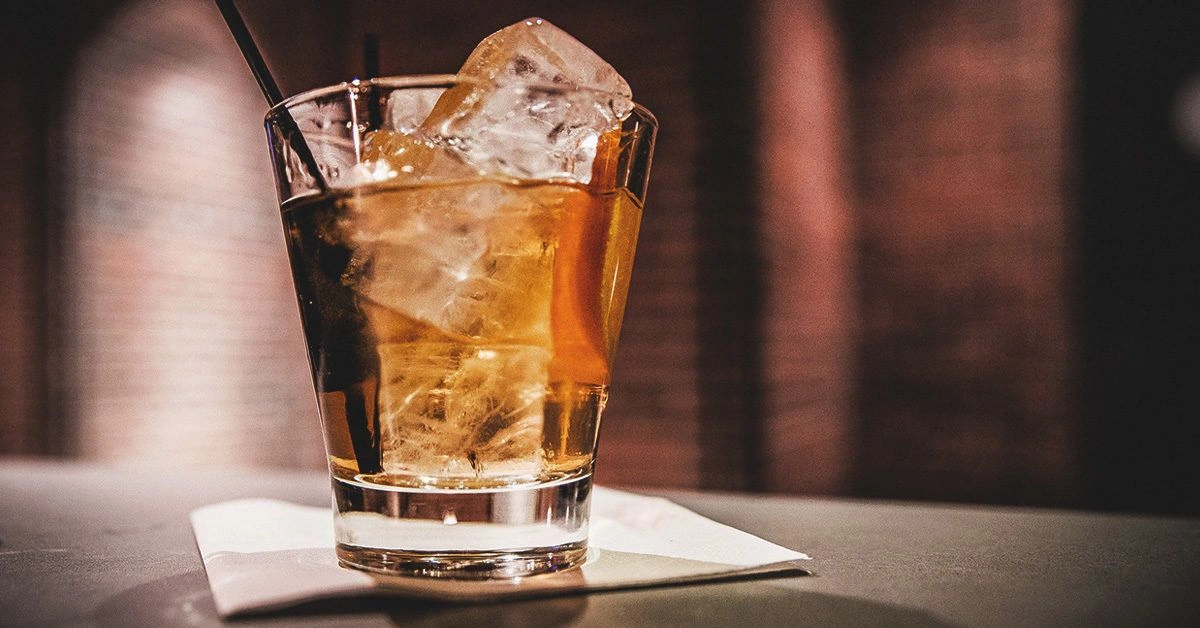
Combining aspirin and alcohol can lead to various types of gastrointestinal upset. When mixed with alcohol, aspirin may cause nausea and vomiting. The pairing can also trigger or worsen ulcers, acid reflux, or general stomach irritation.
These reactions are often not life-threatening but can be very uncomfortable.

According to the Food and Drug Administration (FDA), people who take aspirin regularly should limit alcohol intake to reduce the risk of gastrointestinal bleeding.
Specifically, healthy women of any age and men older than 65 are advised not to exceed one alcoholic drink per day while on aspirin. Men under 65 are generally discouraged from consuming more than two drinks per day when taking aspirin.
In most situations, if you adhere to the recommended aspirin dose and follow the FDA’s alcohol guidance, stomach bleeding tends to be temporary and not dangerous.
But in certain cases — particularly when someone takes more aspirin than advised and drinks beyond recommended limits — bleeding can become life-threatening.
In a large study, researchers reported that the relative risk of major gastrointestinal bleeding rose roughly 6.3-fold for people consuming 35 or more alcoholic drinks per week, an average of five or more drinks daily — a level far above FDA recommendations.
Signs of gastrointestinal bleeding include dark red or black, tarry stools, or bright red blood in vomit, though it’s not always visible. Over time it can cause significant blood loss and anemia. When treated quickly, however, such bleeding is usually manageable and not fatal.
Does the size of the dose matter?
The appropriate aspirin dose depends on your medical background. A very low dose, often called “baby aspirin,” is 81 milligrams and is commonly prescribed for people with prior heart-related events.
Regular-strength aspirin typically contains 325 milligrams and is more often used for pain relief or to reduce inflammation.
Regardless of the aspirin strength you take, it’s crucial to follow the FDA’s guidance regarding alcohol. Drinking while on a low-dose aspirin still carries the risk of harmful side effects, even in people who otherwise aren’t predisposed to gastric irritation or bleeding.
Does it help to space out aspirin and alcohol?
There are no definitive expert rules about how long to wait between taking aspirin and consuming alcohol. Still, existing research suggests spacing them out during the day is advisable when possible.
In a small, older study, five participants who took 1,000 milligrams of aspirin one hour before drinking reached a significantly higher blood alcohol concentration than those who drank the same amount without aspirin.
If you plan to drink in the evening, taking aspirin early in the morning may reduce interactions, even for extended-release formulations.
The takeaway
Aspirin is used by millions and is generally safe when taken as directed. Some individuals may experience side effects from aspirin such as:
- nausea
- vomiting
- stomach upset
- heartburn
- ulcers
- gastrointestinal bleeding
Using aspirin together with alcohol increases the likelihood of these adverse reactions. If you choose to consume alcohol while taking aspirin, stick to the FDA’s recommended limits for daily alcohol intake and consult your healthcare provider beforehand.
For related concerns about substance testing or interactions, you may find information on alcohol hair test and ibuprofen alcohol helpful.






















Leave a Reply
You must be logged in to post a comment.