

An irritated or itchy mouth is a frequent — and sometimes worrying — symptom that many people notice. Causes range from viral or fungal infections to allergies from foods, pollen, latex, medicines, and other substances.
When allergies are responsible, this symptom is often called oral allergy syndrome.
Although some triggers of an itchy mouth are minor, others can pose serious risks. Read on to learn more.

Symptoms of an itchy mouth
Depending on the underlying cause, an itchy mouth can be accompanied by various signs, such as:
- a burning or tingling feeling in the mouth, tongue, or throat
- swelling of the tongue, lips, or throat
- a tickling or crawling sensation in one or both ear canals
- runny nose
- sneezing
- dry cough
- watery eyes
Although symptoms can stay mild and confined to the mouth or head, they can also signal a dangerous allergic reaction.
What can cause an itchy mouth?
Several factors may lead to mouth itching. Some of the common causes include:
Allergic reaction
If your mouth itches, you might be allergic to a certain food or to pollen. One possibility is oral allergy syndrome, also known as pollen-food syndrome, which often begins during the teenage years or adulthood. It can occur even with foods you’ve eaten previously without trouble.

Oral allergy syndrome is the most frequent form of food allergy. Typical symptoms are:
- itching and tingling around the mouth, tongue, and throat
- swelling of tissues near the mouth
- a strange taste in the mouth
- itchy ear canals
While symptoms are usually mild and short-lived, often resolving within about 20 minutes, they can sometimes progress into a life-threatening anaphylactic reaction requiring urgent care.
Oral allergy syndrome is believed to occur when proteins in certain foods resemble the allergenic proteins in some pollens, such as grasses, birch, mugwort, or ragweed. People with seasonal hay fever may react to some raw fruits, nuts, uncooked vegetables, or spices due to cross-reactivity, where the immune system recognizes similarities between pollen and food proteins.
Cold sores
Cold sores, or fever blisters, develop around the exterior of the mouth, typically on the lips, and are caused by the herpes simplex virus. They are highly contagious and often appear as small grouped blisters.
If you frequently get cold sores, you may notice mouth itching. Many people report itching and tingling around the lips before blisters form.
Cold sores start as tiny fluid-filled blisters near the mouth, cheeks, or nose, then burst, crust over, and form a sore that can linger for up to two weeks.
Anaphylaxis
Anaphylaxis is a severe, potentially fatal allergic response and requires immediate medical attention. This reaction can begin with itching, tingling, or swelling in the mouth after exposure to an allergen. Common triggers include:
- stings from bees, wasps, or other insects
- medications
- foods
- latex
Most allergy sufferers only experience mild to moderate symptoms on exposure, such as a runny nose, rash, hives, watery eyes, or mild itchiness and tingling. However, mild reactions can escalate to anaphylaxis when the body goes into shock.
Anaphylaxis symptoms may include:
- swelling
- hives
- a tight sensation in the throat
- trouble breathing
- hoarseness
- abdominal pain
- nausea
- vomiting
- diarrhea
- low blood pressure
- fainting
- dizziness
- rapid heartbeat
- a sense of impending doom
In some instances, anaphylaxis can lead to cardiac arrest and death.
WarningIf you have a severe allergic reaction, call 911 right away. Although severe reactions can sometimes resolve, they may rapidly worsen into anaphylactic shock, which is life-threatening.
Fungal (yeast) infection
Persistent mouth itching might indicate a fungal infection called oral thrush. This results from an overgrowth of Candida albicans in the mouth’s tissues. Thrush patches can form on the tongue, inner cheeks, tonsils, gums, or the roof of the mouth.
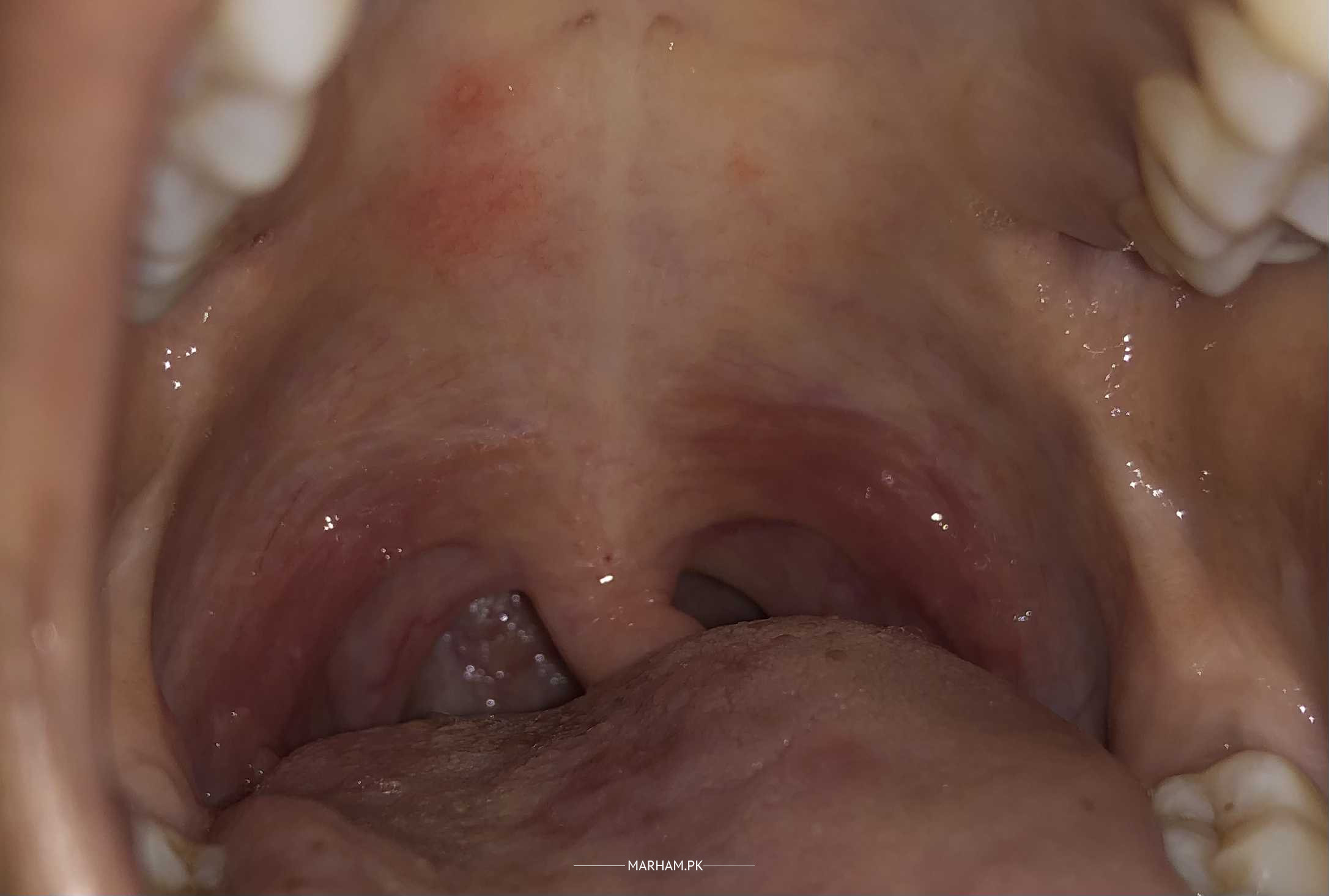
Signs of oral thrush include:
- dry mouth
- raised, creamy white lesions that resemble cottage cheese
- a burning or sore sensation
- redness
- bleeding
- cracked skin at the corners of the mouth
- a dulled sense of taste
Older adults, infants, and people with weakened immune systems are more likely to develop oral thrush.
Itchy mouth and throat
If both your mouth and throat are itchy, possible causes include:
- severe food allergies
- allergic reactions to medications
- seasonal allergic rhinitis
- oral thrush
- anaphylaxis
Itchy mouth and lips
If your lips and mouth itch, the sensation could be due to:
- cold sores
- oral thrush
You can also read more about a bit inside of lip or issues like swollen lips if those symptoms accompany your itching.
Itchy mouth after eating
An itchy mouth following a meal might be caused by:
- mild to severe food allergies
- allergic reactions to medicines
- oral allergy syndrome
- anaphylaxis
Treatment options for an itchy mouth
How you treat an itchy mouth depends on the underlying cause.
Mild allergic responses
For mild allergic reactions, symptoms often resolve within minutes after spitting out the offending food, removing yourself from the allergen, or after digestion reduces the problematic proteins. An over-the-counter antihistamine may help relieve mild symptoms.
Severe allergies and anaphylaxis
Serious allergic reactions are treated with antihistamines, urgent medical care, and sometimes epinephrine. People with a history of severe allergies should always carry an epinephrine auto-injector, as it can halt or prevent anaphylaxis.
WarningIf you’re experiencing a severe allergic reaction, call 911 immediately, even if you’ve used an epinephrine auto-injector. Severe reactions may resolve but can also progress to life-threatening anaphylactic shock.
Cold sore treatment
Cold sores can be managed with topical or oral antivirals, and in some cases medical providers may use antiviral injections. Common antiviral medications include:
- penciclovir (Denavir)
- acyclovir (Zovirax)
- famciclovir (Famvir)
- valacyclovir (Valtrex)
Treating yeast infections
If you have oral thrush, your clinician may prescribe antifungal medications tailored to your health status and the severity of the infection. These can be tablets, lozenges, or an antifungal mouth rinse.
How to prevent an itchy mouth
In some situations, you can reduce the chance of mouth itching by:
- following medical advice for treating cold sores and oral thrush
- avoiding known allergens, including certain foods
- cooking fruits and vegetables rather than eating them raw
- steering clear of particular medications when possible
- peeling fruits and vegetables before eating
When to consult a doctor
If you think you have oral thrush or suspect a cold sore, schedule a visit with a healthcare provider. If you do not have a regular clinician, resources like the HealthEH FindCare tool can help you locate primary care options in your area.
It’s also wise to see a doctor if you’ve already had an allergic reaction to a specific food or other allergen. A clinician can prescribe an epinephrine auto-injector for future emergencies and suggest treatments for milder reactions at home.
If you’re experiencing allergic symptoms but don’t know the cause, an allergist can perform testing to identify specific triggers so you can avoid them and potentially receive an epinephrine prescription.
Bottom line
Although an itchy mouth may stem from mild, easily treatable conditions, it can also warn of severe allergic reactions down the line. Seeing a doctor for proper diagnosis and treatment will help you manage symptoms and be prepared to treat or seek emergency care if necessary.























Leave a Reply
You must be logged in to post a comment.