
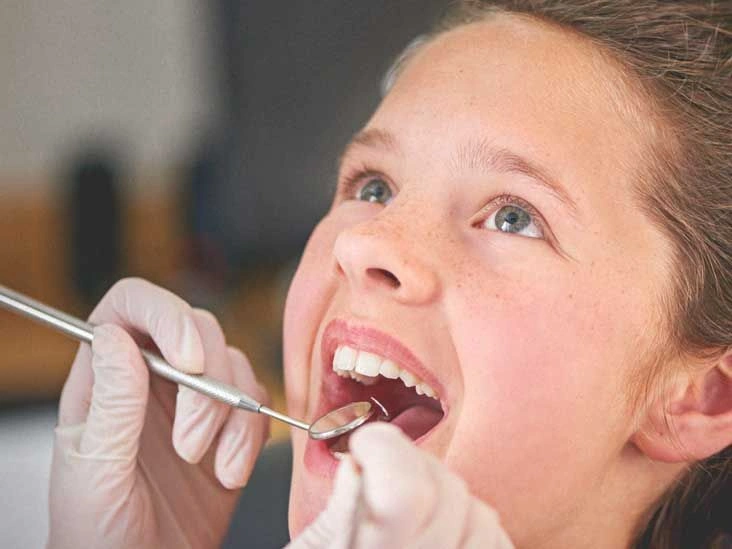
Blackened teeth can signal underlying dental problems that deserve attention. Healthy teeth usually vary from bright white to yellowish-white or pale gray. The whitish appearance comes largely from the calcium in enamel, the hard outer layer protecting each tooth.
Calcium is naturally white, so it heavily influences tooth shade. Still, other components within the tooth can introduce gray or yellow tones. Over time, enamel thins and the deeper layer called dentin becomes more visible, causing teeth to look darker. External substances can also stain the enamel.
What causes teeth to turn black?
Teeth that darken to black generally do so because of one of two broad mechanisms: extrinsic or intrinsic causes.
- Extrinsic: These issues originate on the tooth surface. They include surface stains, hardened plaque (tartar), and other damage affecting the outer enamel.
- Intrinsic: These develop from within the tooth and move outward. A condition inside the tooth causes decay or structural damage that darkens the tooth.
Usually, teeth do not go black suddenly but rather gradually, allowing time to seek dental care before extensive harm occurs. Common extrinsic and intrinsic causes of black teeth include:
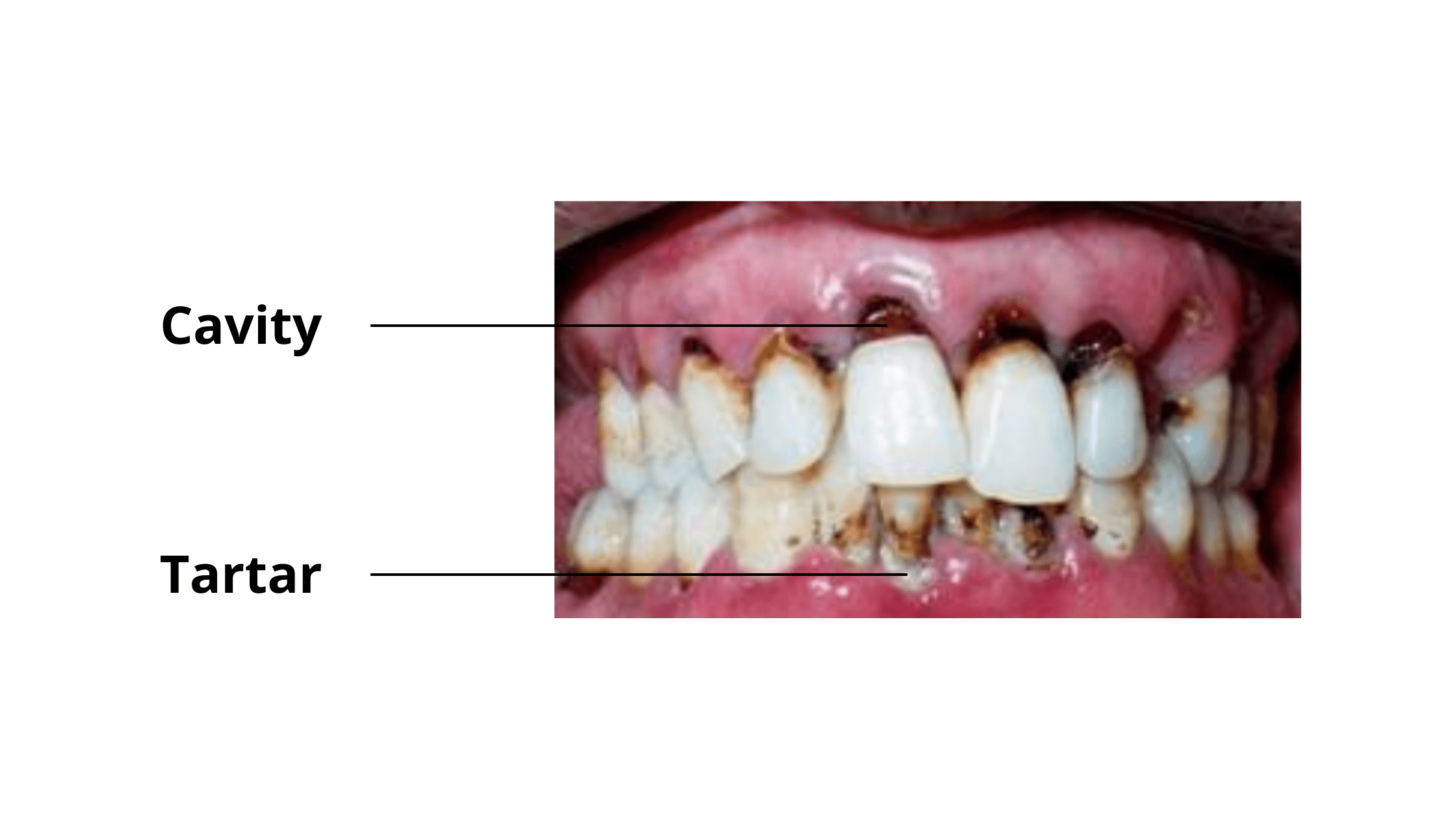
- Cavities. Bacterial decay destroys enamel and leaves pits or holes that can appear dark.
- Dental restorations. Fillings and crowns that use amalgam—especially those containing silver sulfide—can give teeth a dark hue.
- Staining. Regular consumption of strongly colored foods and drinks, such as tea and cola, can stain teeth.
- Certain medications. Liquid iron supplements, for instance, may cause tooth staining.
- Tartar. Hardened plaque can accumulate beneath the gum line and sometimes appears black.
- Tobacco. Smoking or chewing tobacco frequently causes heavy staining.
Most reasons for black teeth require a dental professional’s treatment to correct or remove the problem.
In some cultures, black teeth were once considered attractive. Historically, women in countries like Japan, Laos, and Vietnam would dye their teeth black. The custom has largely faded, though older individuals from those regions may still show natural or cultural instances of darkened teeth.
What are the symptoms of black teeth?
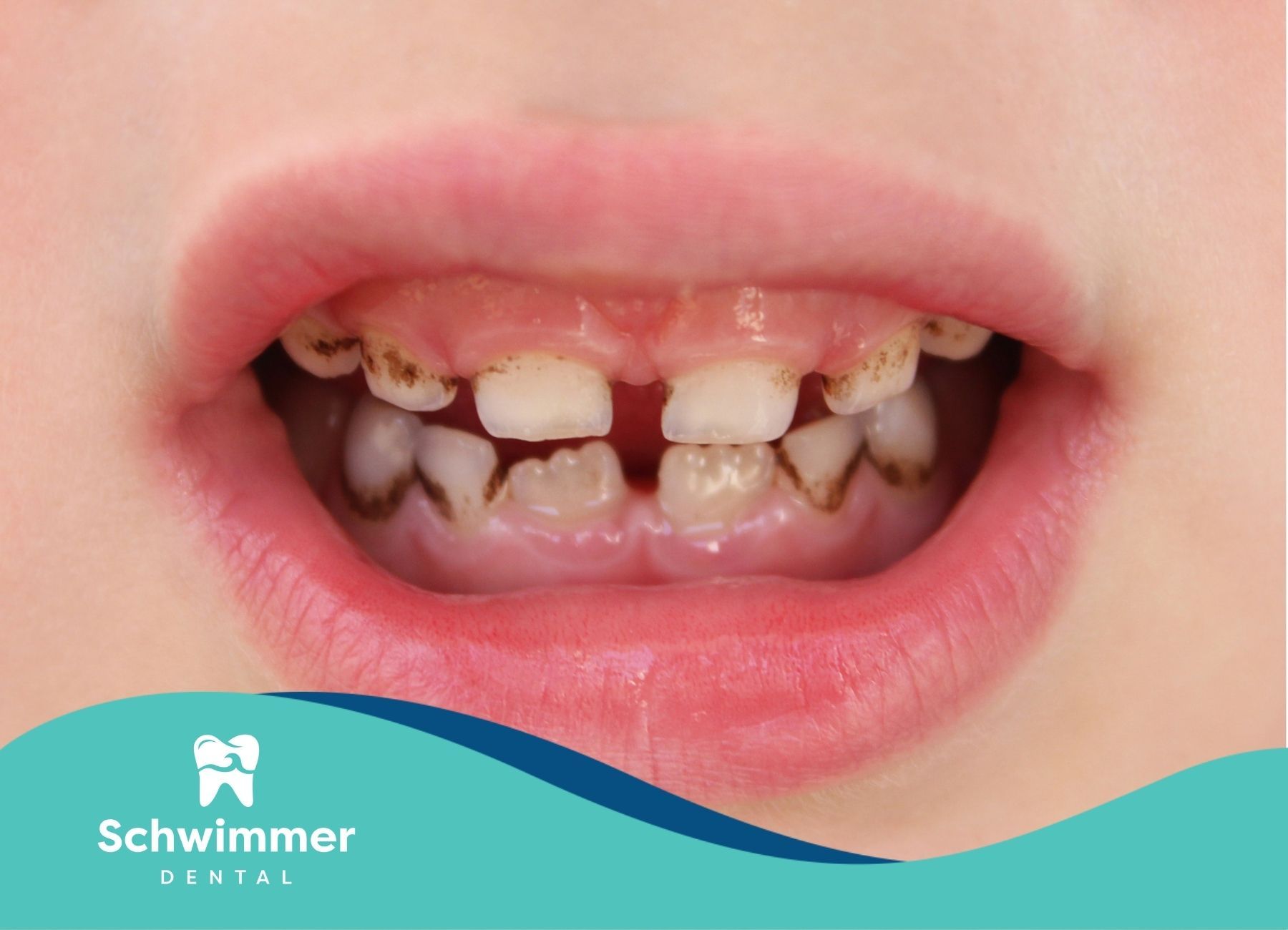
Black teeth may begin as small brown or gray spots that later darken. At times, tiny black pinpoint areas appear near the top of the teeth just beneath the gum line — a pattern often seen in children.
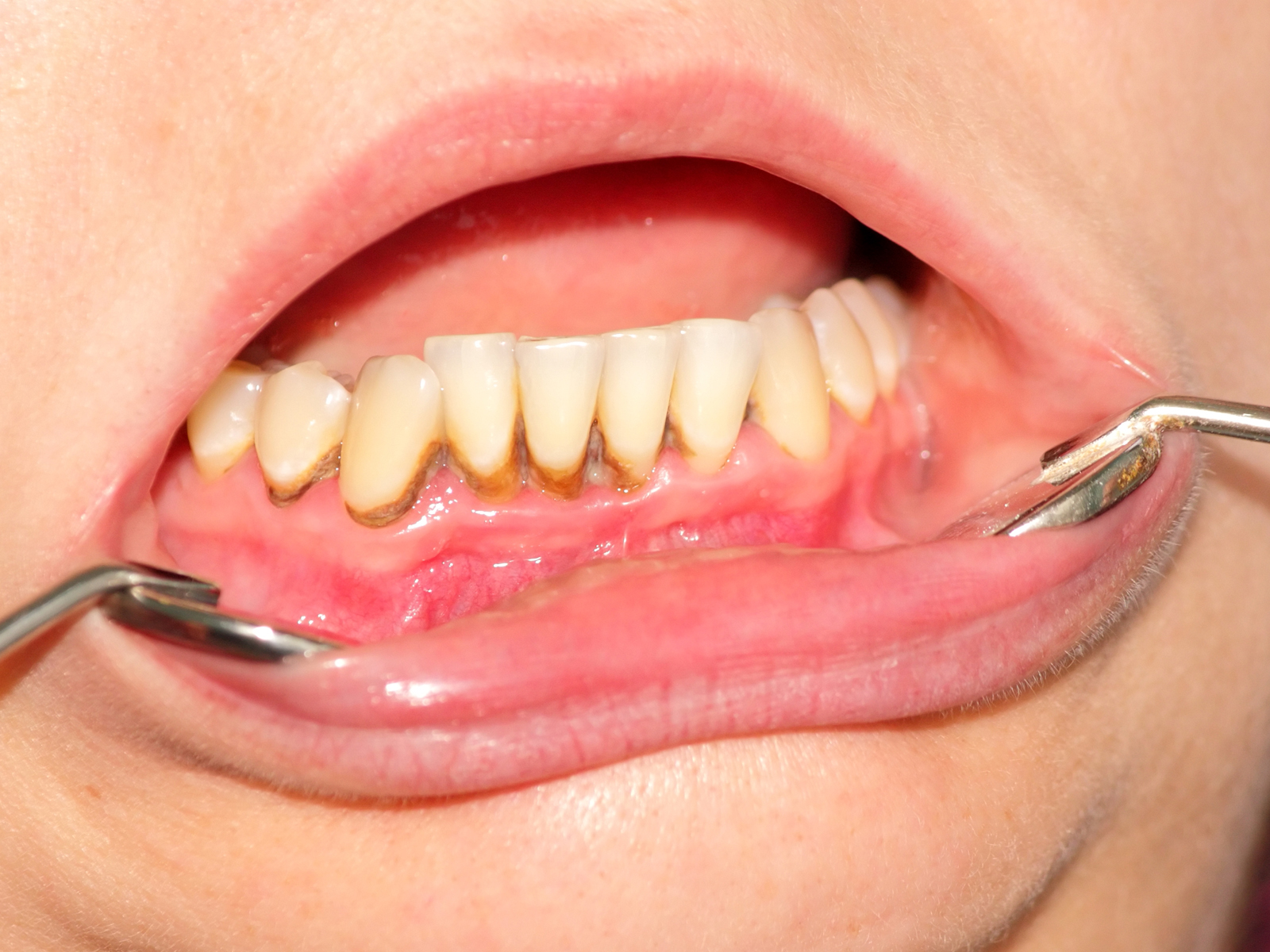
Black tartar commonly forms on the inner surfaces of the lower front teeth or the outer surfaces of molars. Teeth affected by blackening may also develop cavities where enamel has been lost.
How can black teeth be treated?
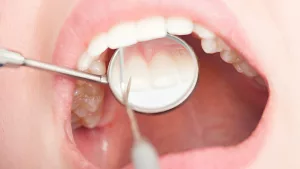
Most people cannot reverse blackened teeth through home care alone. Dental evaluation is usually necessary. A dentist will inspect the teeth, identify the root cause of the discoloration, and propose treatments. You can locate a local dentist using the Healthline FindCare tool.
If black tartar is responsible, a dental professional can often remove it with specialized instruments. These include hand scalers for scraping away plaque and tartar, and in some cases ultrasonic devices that vibrate to break up hardened deposits.
When decay can’t be removed
There are times when instruments alone cannot restore a blackened tooth—especially when deep decay is present. If decay is confined to a small area, a dentist may excise the damaged tissue and place a filling. When decay reaches the dentin or deeper layers, a crown may be required. A crown is a custom-made cap that fits over a tooth after decayed material is cleared. In some situations, a root canal procedure is performed to remove infected tissue within the tooth.
Occasionally a tooth is too compromised to salvage, and extraction becomes the recommended option.
Severely stained teeth may benefit from professional stain removal procedures and whitening treatments.
What is the outlook for black teeth?
If dental intervention saves a tooth, maintaining good oral hygiene is crucial to reduce the risk of future staining, tartar buildup, or decay. Helpful habits include:
- brushing with a fluoridated toothpaste at least twice a day
- flossing or using an interdental brush daily
- attending regular dental checkups as advised (often every four to six months; some patients with extensive decay may need more frequent visits)
- choosing a balanced diet rich in fruits, vegetables, and whole grains while limiting sugary foods and drinks that fuel decay-causing bacteria
- avoiding persistent dry mouth, which can be caused by certain medications or medical conditions—saliva helps clear harmful bacteria, so reduced saliva increases decay risk
With consistent, excellent dental care, it is often possible to prevent black teeth from recurring. If you’re exploring alternatives for home tooth care, consider options like tooth powder as part of a broader oral hygiene routine, but always discuss new products with your dentist.
Optum Now is operated by RVO Health. By clicking on this link, we may receive a commission. Learn more.





















Leave a Reply
You must be logged in to post a comment.