
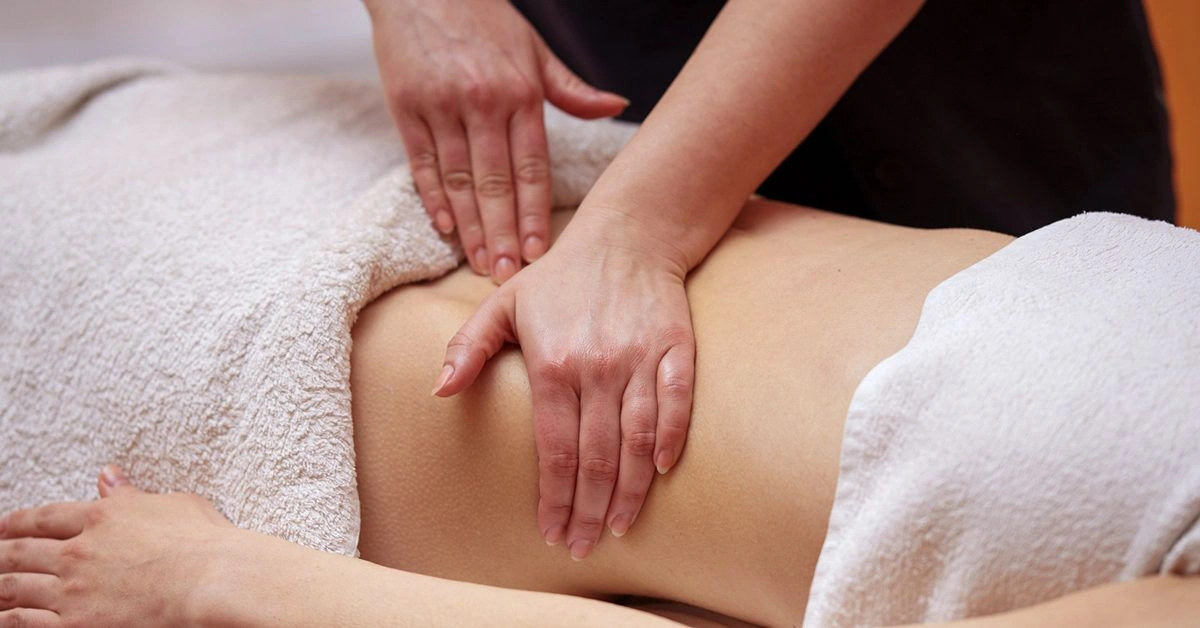
Abdominal massage is a mild, noninvasive practice that can offer calming and restorative effects for some individuals.
Many people turn to abdominal massage to address a range of digestive concerns, particularly issues like poor digestion, constipation, and abdominal bloating.
You can perform an abdominal massage on yourself or visit a trained massage therapist for a session. Some may notice benefits after just 5 to 10 minutes of daily massage. Read on to discover more about this self-care technique.
Consult your healthcare provider before trying abdominal massage if you are pregnant or have existing medical concerns.

The benefits of abdominal massage
The National Center for Complementary and Integrative Health notes that massage therapy can be helpful in managing musculoskeletal pain. Other reported advantages include reductions in stress, anxiety, and depressive symptoms.
Ease constipation
Massaging the belly can relax the abdominal muscles, which helps stimulate gut motility and relieve constipation.
A small 2016 trial looked at abdominal massage for constipation after surgery. The investigators observed that those who received abdominal massage, compared with a control group, experienced:
- fewer constipation symptoms
- an increased frequency of bowel movements
- shorter intervals between bowel movements
Participants who had abdominal massage also reported improved quality-of-life scores. Larger and more detailed studies are needed to confirm these results and to identify factors that influence constipation.
Support digestion
A 2018 study explored abdominal massage effects on digestive problems in people with an endotracheal tube. Those who received a 15-minute abdominal massage twice daily for three days showed symptom improvements compared with those who received no treatment. The massage group also had decreased gastric residual volumes, and reductions in abdominal girth and constipation.
Further research is warranted, both in clinical settings and among community populations.
Reduce abdominal bloating
A 2015 study found abdominal massage helped alleviate some symptoms of fluid accumulation in the abdominal cavity, a condition often seen in people receiving cancer treatment.
In that trial, participants who received 15-minute abdominal massages twice daily for three days reported less perceived abdominal bloating. Measures of depression, anxiety, and overall well-being also improved.
The massage did not significantly change other symptoms in that study, such as pain, nausea, or fatigue.
Other potential effects
Aside from the above, advocates of abdominal massage suggest additional possible benefits, such as:
- assisting in weight management
- promoting relaxation
- toning and strengthening core muscles
- releasing both physical and emotional tension
- relieving muscle spasms
- increasing blood circulation to the abdominal area
- supporting abdominal organs
However, specific evidence supporting many of these claims—such as weight loss—is limited.
Is abdominal massage safe?
For most people, abdominal massage is safe when performed gently and appropriately:
- Avoid abdominal massage if you’ve recently had surgery in that area.
- Speak with your physician before trying abdominal massage if you are pregnant or have medical concerns.
- It’s advisable to avoid heavy or spicy meals for a few hours before and after a session.
Be sure to drink sufficient water after massaging the abdomen.
How to perform an abdominal massage
To give yourself an abdominal massage:
- Lie on your back with your abdomen exposed.
- Place your hands overlapped on your lower belly and take a few breaths to center yourself.
- Rub your hands together for about 30 seconds to warm them.
- Apply any massage oil you choose to use.
- Using your palm, make clockwise strokes across the entire stomach several times.
- Then work along the midline of your abdomen, moving from just below your sternum down to the pubic bone.
- Make three parallel lines an inch apart down the left side of the abdomen.
- Repeat those three lines on the right side.
- Press your fingertips into your belly button with firm pressure.
- Keep moving in gentle circles outward from the navel in a clockwise fashion.
- Spend extra time on any areas or trigger points that need attention.
- Continue for up to 20 minutes.
If self-massage feels uncomfortable, you can book a session with a massage therapist. Call ahead to confirm whether the therapist offers abdominal massage, since not all practitioners include it in their services. You might also combine this practice with other supportive techniques like self massage or try complementary remedies such as essential oils for nausea when appropriate.
The bottom line
Abdominal massage is a low-risk option that may help with several digestive and comfort-related issues. You can choose to perform it yourself daily or seek a professional massage therapist.
Even when seeing a therapist, short daily self-massage sessions can be helpful, especially if you’re addressing a particular problem.
Always consult your doctor for serious concerns or if symptoms worsen or become severe.





















Leave a Reply
You must be logged in to post a comment.