

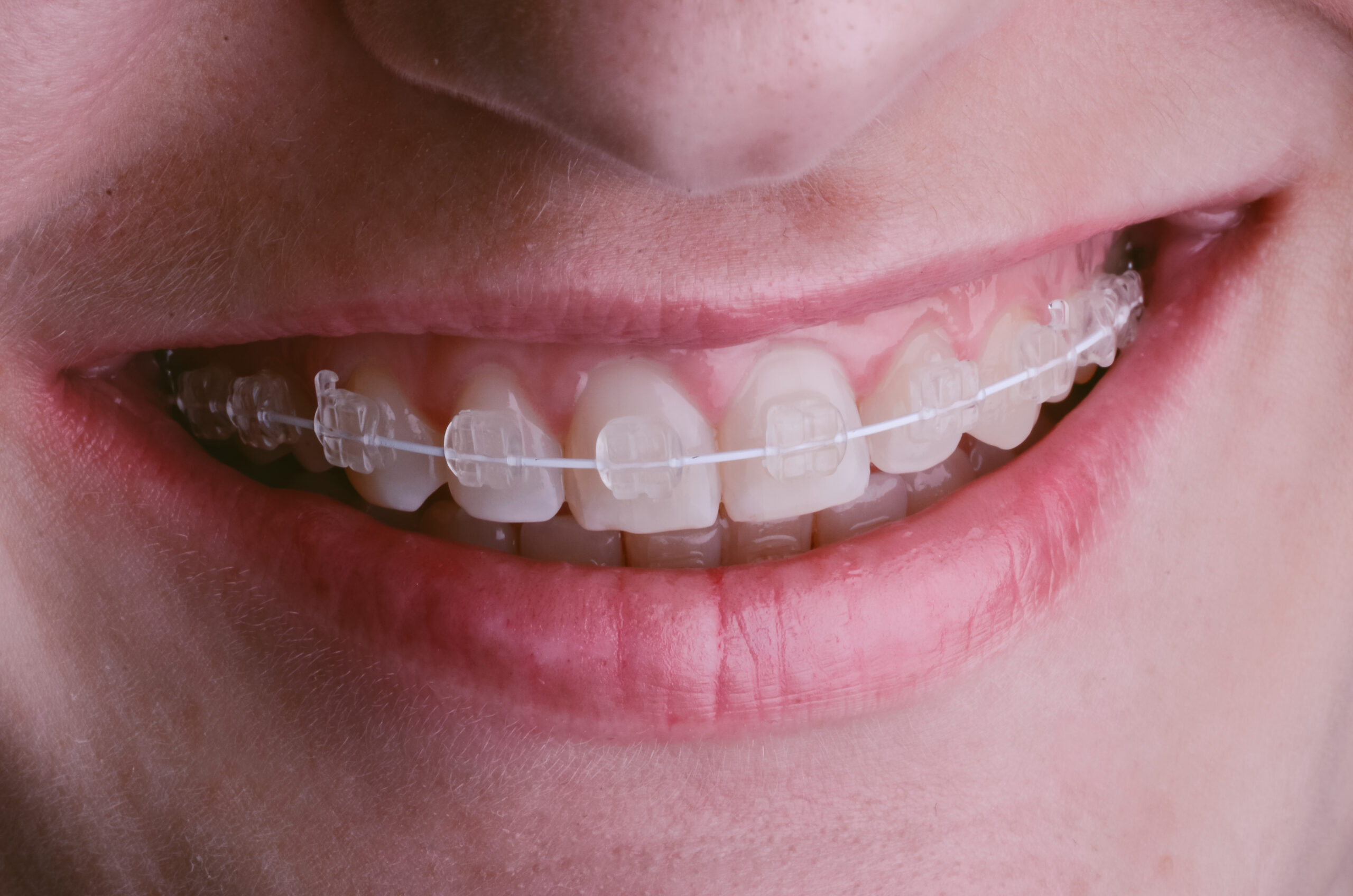
Ceramic braces function similarly to metal braces, but instead of gray or silver brackets and wires, they use clear or tooth-colored brackets that blend with your teeth.
Many people pick ceramic braces because they’re less conspicuous than metal options. That reduced visibility can be a major benefit if you’re considering orthodontic treatment but want to avoid feeling self-conscious about your appearance.
However, ceramic braces do have some drawbacks to consider.
Continue reading to see how ceramic braces compare with metal braces in effectiveness, expense, and everyday wearability.
Pros and cons of ceramic braces
Below is a concise overview of the advantages and disadvantages of ceramic braces, particularly in comparison with conventional metal braces.
Pros
- Less noticeable than metal braces. Ceramic materials can be clear or matched to your tooth color, making them subtler.
- Faster tooth movement than clear aligners (Invisalign). Ceramic braces typically take roughly 18 to 36 months to correct teeth. Many clear-aligner systems, like Invisalign, may take a year or more even for minor adjustments, and they aren’t suitable for severe misalignment or complex bite issues.
- Color options. Unlike metal braces, which are limited to metallic tones, ceramic braces can be customized in many shades.
- Lesser interference with imaging tests. Metal braces can affect imaging signals, whereas ceramic braces cause far less signal disruption.
Cons
- Higher cost than metal braces. Ceramic braces often add at least $1,000 to $2,000 compared with metal alternatives.
- Potential gum sensitivity. Ceramic brackets are bulkier, which can make cleaning around them harder and increase the risk of swollen or receding gums if plaque isn’t effectively removed.
- Less durable than metal. Ceramic brackets are more than twice as likely to break and debonding has occasionally been reported to damage tooth enamel.
- Potentially slower tooth movement. Their fragility can require repairs or more gradual adjustments, which may lengthen the overall treatment timeline.
- Susceptible to staining. The elastic ligatures that secure the wire to the brackets can discolor easily and remain so until swapped out.
Who’s a good candidate for ceramic braces?
Ceramic braces are typically advised once your adult teeth have fully erupted and growth has mostly finished. This reduces the risk of bracket failures caused by ongoing tooth movement.

They’re a solid option if you want a less obvious orthodontic solution. Because they’re often tooth-colored or white, they attract less attention—making them suitable for professionals, students, or anyone who prefers a subtler look during treatment.
Cost of ceramic braces compared to metal and clear aligners
Overall, from placement to removal, ceramic braces generally cost about $4,000 to $8,000. By comparison, metal braces usually range from about $3,000 to $6,000, and clear removable aligners like Invisalign range roughly $3,000 to $8,000.
Similar to other orthodontic options, ceramic braces are often not included under standard dental or medical coverage. You may need a separate orthodontic policy, and coverage levels vary significantly by state and by plan for both children and adults.
As an adult, even if your dental insurance includes orthodontic benefits, cosmetic-only treatments may not be covered unless the braces are being used to treat a significant malocclusion or another functional dental problem.
Length of treatment compared to metal and clear aligners
Ceramic braces typically require about 18 months to three years to align teeth, compared with roughly under one year to three years for metal braces.
The lower durability of ceramic brackets can lead to more frequent replacements as teeth shift, which can slow down progress.
Because ceramic brackets are more prone to breakage, treatment can be delayed while repairs are made between orthodontic visits, lengthening the overall correction time.
How durable are they?
Ceramic braces are notably less robust than metal braces because metal is inherently stronger than ceramic. A 2016 study reported that ceramic brackets break at more than twice the rate of metal brackets, even under typical biting forces.
If you participate in contact sports or activities that demand extensive mouth movement—such as singing, debate, or frequent public speaking—you might prefer sturdier metal braces that resist chipping or cracking.
Do ceramic braces stain?
The ceramic brackets themselves resist staining fairly well, but the elastic ligatures can discolor. To help minimize staining of your ceramic bracket ties, consider the following tips:
- Brush and floss after each meal. This reduces food particles that can cause discoloration.
- Avoid stain-prone foods and beverages. Items like tomatoes, red wine, coffee, tea, soda, and condiments such as ketchup and mustard are common culprits.
- Don’t smoke. Tobacco can leave yellowish stains on teeth and brace components.
- Avoid whitening toothpaste. Whitening agents might make exposed tooth surfaces appear lighter than the covered portions.
- Visit your orthodontist regularly. Your orthodontist can replace discolored ties or brackets when needed.
What colors can you choose from?
Components of ceramic braces can be changed during treatment. These parts include:
- Brackets. The brackets bond to your teeth and are commonly offered in white or tooth-matching shades.
- Archwires. The wires run along the teeth, linking brackets and applying corrective pressure. They often come in silver, white, or frosted finishes to blend with lighter brackets.
- Elastic bands. These ligatures attach to hooks on the brackets, securing the archwire and helping to adjust tooth and jaw positions. They’re available in nearly any hue—so you can opt for discreet tones that match your teeth or choose bold, colorful patterns for a playful look.
Takeaway
Ceramic braces are a good option if you want a less visible orthodontic fix.
Yet they’re somewhat less durable, can extend treatment time, may cost more, and are more prone to discoloration.
Discuss options with your dentist or orthodontist before deciding on metal or ceramic braces—one type might be better suited to your dental needs even if it isn’t your initial preference.






















Leave a Reply
You must be logged in to post a comment.