
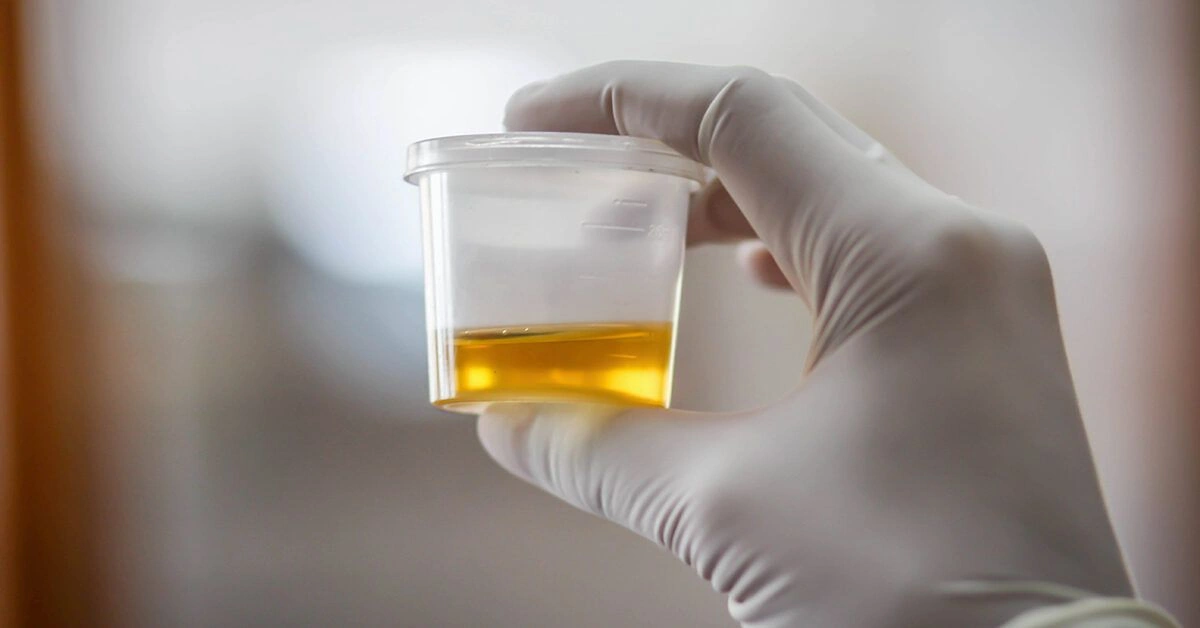
Urine screenings can pick up alcohol metabolites in your body well after your last drink.
When alcohol is metabolized, your body creates byproducts that linger even after you feel sober.
Although your body removes alcohol relatively fast, these metabolites persist longer. Urine testing can identify alcohol and its metabolites in urine samples.

Most standard urine tests can find alcohol for up to 12 hours after drinking. More sensitive urine assays, however, may detect alcohol up to 24 hours after consumption.
Kinds of urine tests and their mechanisms
There are several urine-based tests, and some provide greater accuracy than others.
Because metabolites remain after alcohol itself is gone, tests that target these byproducts offer an extended detection timeframe.
Common urine tests for alcohol include:
- Ethanol urine test: This measures ethanol (the alcohol) present in urine. Since ethanol is cleared from the body quickly, this test only detects very recent intake.
- Ethyl glucuronide (EtG) urine test: EtG is a metabolite of alcohol. While EtG assays typically detect alcohol for about 24 to 72 hours, the metabolite can sometimes be found up to 80 hours after drinking, particularly after heavy use.
- Ethyl sulfate (EtS) urine test: EtS is another alcohol byproduct. EtS tests are typically reliable within the first 24 hours, but like EtG, EtS may be detectable roughly 80 hours following substantial alcohol intake.
Detection windows for urine assays
The detection period depends on the specific test used:
- Ethanol urine tests: about 12 hours
- Ethyl glucuronide (EtG) urine tests: roughly 24–72 hours
- Ethyl sulfate (EtS) urine test: about 24–72 hours
Consuming a large volume of alcohol can extend these detection windows compared with a single drink.
Tips to help ensure accurate testing
Urine tests are an inexpensive, noninvasive option to screen for alcohol, but they’re not infallible. False positives can occur.
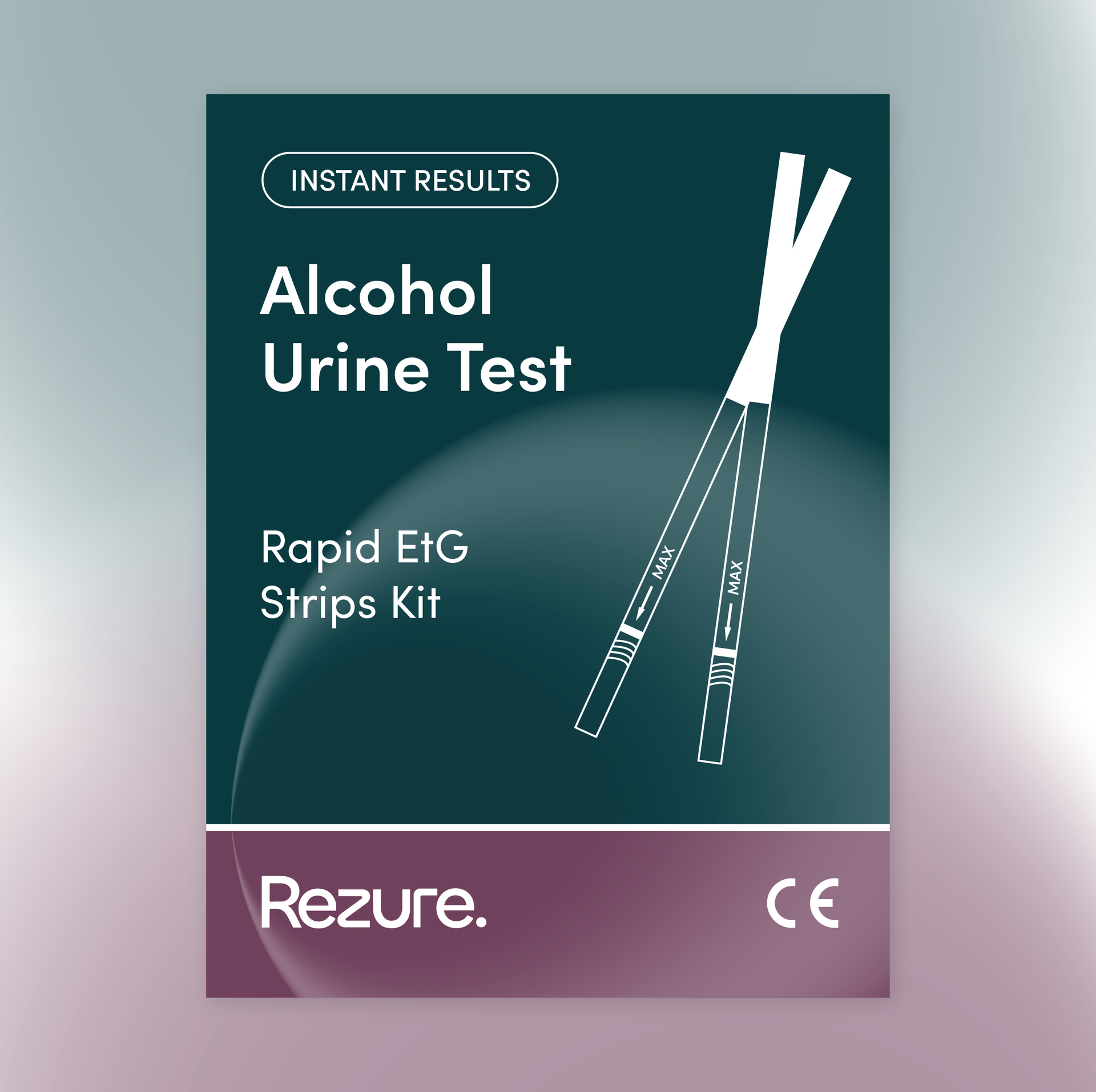
To improve accuracy, you should:
- Wash your hands before urinating or handling the specimen.
- Use a clean container if collecting the sample yourself.
- Confirm the test kit is sealed and not expired.
- Wipe the external genital area with a damp cloth. If the test is supervised, the administrator usually supplies a towelette.
Before taking a urine alcohol test, avoid:
- Mouthwash or breath sprays containing alcohol
- “Non-alcoholic” beers and wines, which can have trace alcohol
- Kombucha and fermented foods that may contain small alcohol amounts
- Alcohol-based hand sanitizers and cosmetics
- Cleaning products with alcohol content
Even topical exposure to alcohol-containing products can cause a positive result. It’s best to steer clear of anything with alcohol, even in tiny concentrations.
Interpreting urine test results
EtG urine tests are among the most commonly used to detect alcohol exposure today. They can indicate not only whether alcohol was used but also suggest the recency and amount of drinking.
For EtG or EtS urine results:
- A high positive (>1,000 ng/mL) often suggests same-day drinking or heavy intake the day before
- A low positive (500–1,000 ng/mL) may reflect drinking the previous day or the day before that, light drinking within 24 hours, or recent contact with alcohol-containing products
- A very low positive (100–500 ng/mL) could indicate heavy drinking several days earlier, recent light drinking, or recent exposure to alcohol-based products
If you’re unsure how to read your results, consult a healthcare professional.
If you dispute the findings, you may request a retest from the party that ordered the screening (for example, a court, employer, or physician).
Limitations of urine testing
Urine tests are a cost-effective method to screen for recent drinking.
However, they have drawbacks, including:
- Relatively short detection windows
- The potential to dilute the specimen or substitute another person’s urine
- The need for observed collection, which can be intrusive
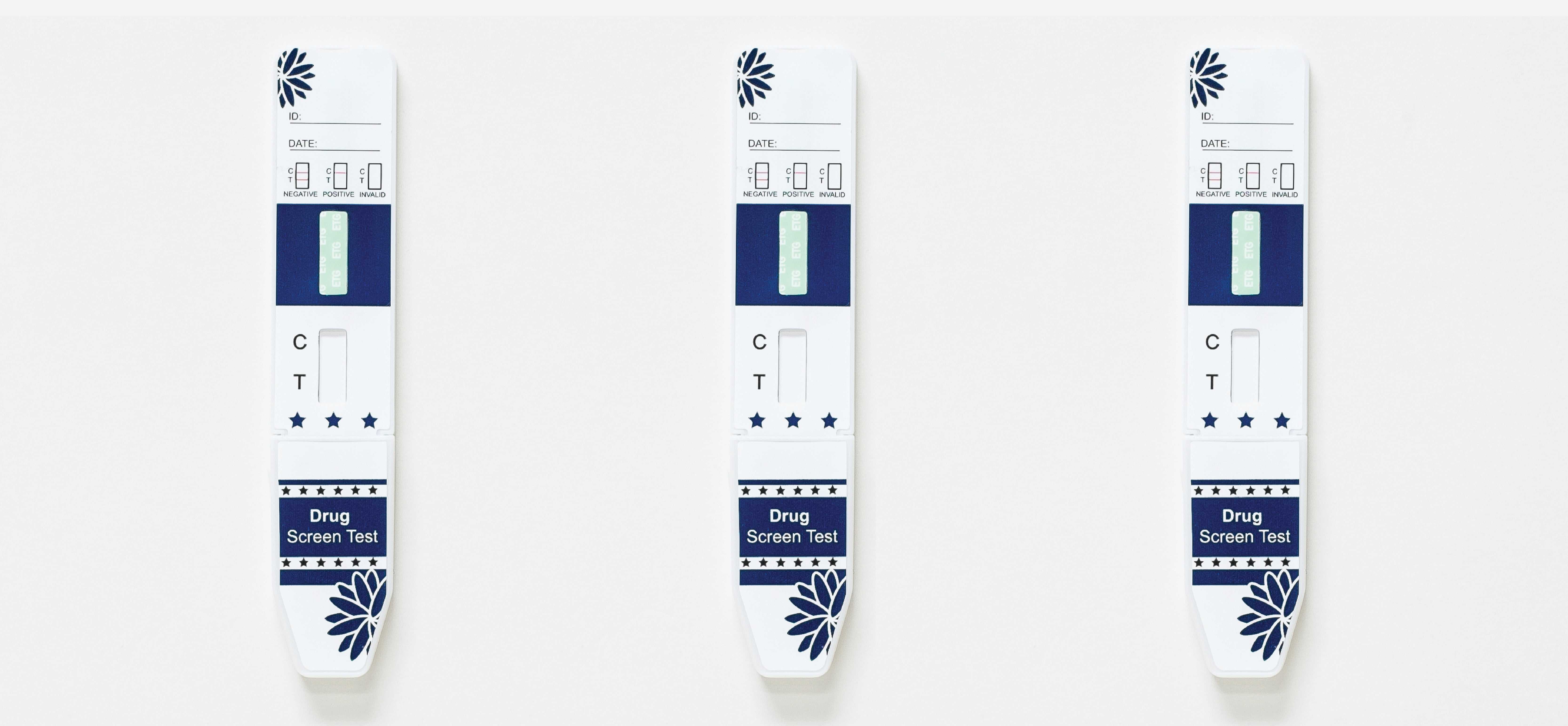
No test is perfect. False negatives are possible — someone might test negative despite recent alcohol use.
EtG urine testing detects recent drinking with about 70% accuracy overall, although one 2017 study found roughly 85% accuracy for moderate to heavy drinking.
Alternatives to urine tests
Urine tests aren’t the only option for confirming alcohol use. Breath, hair, and blood tests can also reveal recent consumption.
Breath tests typically detect alcohol for 4 to 6 hours and measure blood alcohol concentration (BAC), indicating how much alcohol is present rather than simply whether any was consumed.
:max_bytes(150000):strip_icc()/137357467-569fe6793df78cafda9efe59.jpg)
A hair follicle test can identify alcohol use over the past 90 days.
Blood tests can measure BAC and often detect alcohol within the prior 12 hours, showing the amount consumed.
Many blood assays exist; some also assess EtG and EtS. The carbohydrate-deficient transferrin (CDT) test can detect heavy drinking.
The phosphatidylethanol (PEth) blood test is a newer, very sensitive method that measures PEth, a compound formed when ethanol is processed in the body.
PEth testing may detect alcohol intake over the past 1 to 3 weeks. In a 2017 study with 16 participants, PEth was detectable for 3 to 12 days after a single drink. Another study suggested PEth might be found up to 60 days after prolonged heavy drinking.
Bottom line
Urine tests can detect alcohol or its metabolites in urine. Typically, they’re reliable for 12 to 24 hours, though positive results may occur up to 80 hours after drinking.
There are situations where urine testing may be misleading. In some circumstances, alternative testing methods — such as breath, hair, or blood tests — could be more suitable.














Leave a Reply
You must be logged in to post a comment.