

Getting your nipples pierced usually produces a sharp, short-lived sting. Persistent or intense pain, however, can signal an infection or another problem that needs medical attention.
There’s no avoiding the truth — nipple piercings are typically painful. Not surprising, since you’re making a hole through an area rich in nerve endings.
That said, the intensity varies. Not everyone experiences severe pain, and there are factors that can increase or decrease how much it hurts.
If you’re thinking about adorning your nip(s), we’ve answered the common questions you might have.
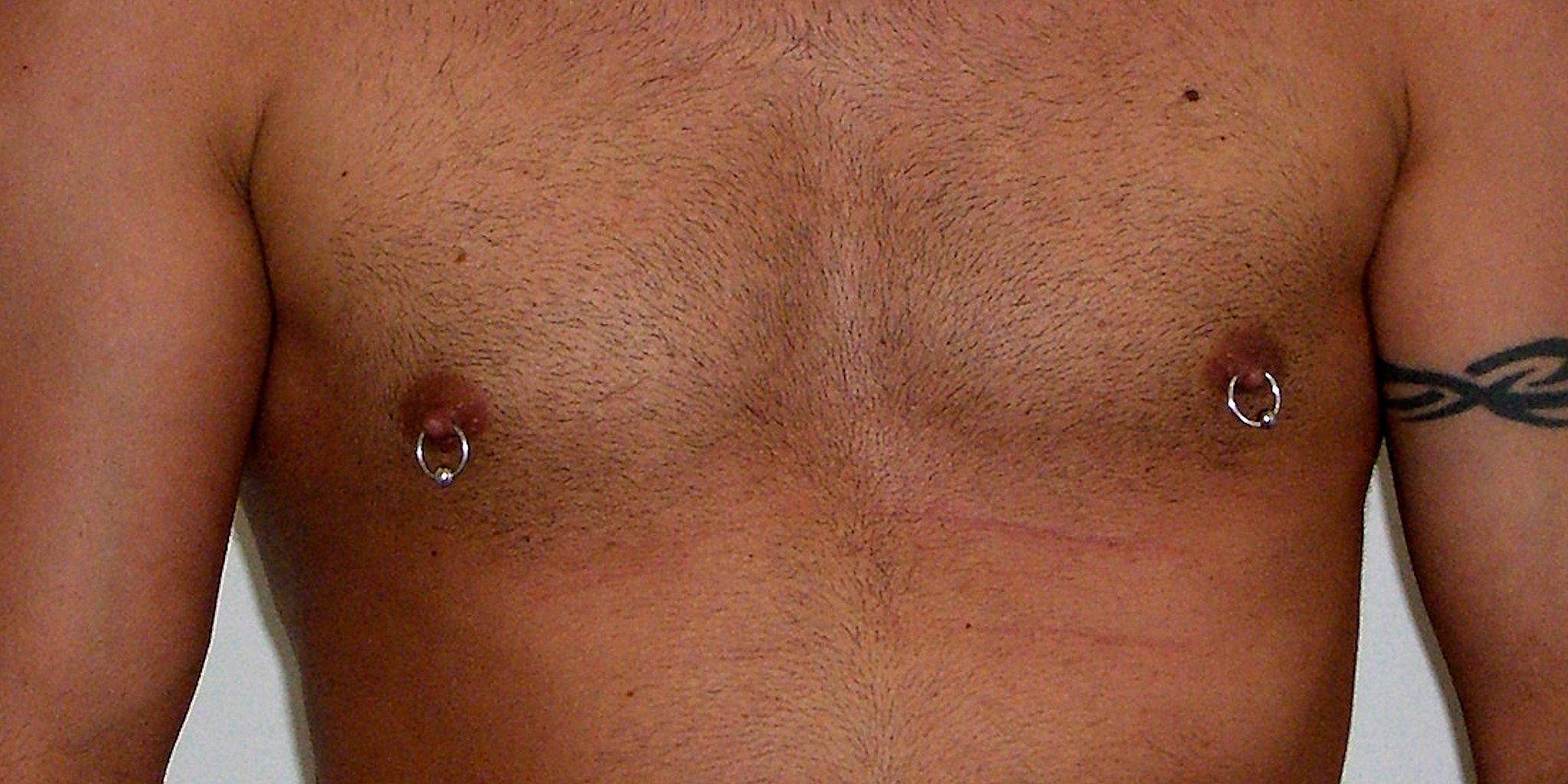
How painful is it?
It mostly comes down to how sensitive your nipples are, which differs widely among people.
Some folks can tolerate a purple nurple without flinching. Others react to the slightest touch with their nipples perking up instantly.
And some individuals are so responsive that nipple stimulation alone can trigger orgasm. (Yes — nipple orgasms exist — and they can be amazing.)
Ask people with nipple piercings to rate the pain on a scale from 1 to 10, and you’ll get a wide range of answers.
Compared with other body piercings, expect it to hurt more than an ear piercing but less than piercings of the clitoris or penis.
Pain is subjective. Everyone’s threshold is different and can shift from day to day based on things like stress, mood, or where you are in your menstrual cycle.
How long does the pain last?
The sharp sting from the actual piercing only lasts a couple of seconds. People who’ve had it done often describe it as a quick pinch or bite.
Afterward, the nipples are usually tender for the first two to three days. How tender depends on your personal sensitivity. Many compare the discomfort to a bruise or sunburn. Feeling a bit of throbbing on day one is common.
If you follow proper aftercare and treat the area gently, the soreness should ease over several days.
Any way to minimize or prevent pain?
Yes — there are several steps you can take.
First, research and pick an experienced piercer. The practitioner’s skill, experience, and the equipment they use can affect how much discomfort the procedure causes.
Look up reviews and ask people who’ve had nipple piercings for recommendations. Once you’ve shortlisted shops, visit them and talk to potential piercers. Ask about credentials and their health and safety procedures.
Other tips that may help reduce pain:
- Lower your stress. Being calm for the appointment matters. Stress reduces pain tolerance. Before you go, do something relaxing — practices like yoga have been shown to lower stress and increase tolerance for pain.
- Use visualization techniques. It might sound odd, but picturing a comforting scene during the piercing can help you relax and manage discomfort. Imagine lying on a warm beach, cuddling with puppies, or any scenario that soothes you. Make the mental image as vivid as possible.
- Prioritize sleep. Research links lack of sleep to greater pain sensitivity and lower tolerance. Try to get solid rest in the nights leading up to your appointment.
- Avoid alcohol. Don’t drink before a piercing. It’s often against policy to pierce someone who’s intoxicated, and alcohol can make you more sensitive both physically and emotionally.
- Schedule around your cycle (if applicable). Many people have increased breast tenderness right before their period. Booking your piercing a few days after your period may reduce discomfort.
What are my options for pain relief?
Even with precautions, some pain is likely. Over-the-counter painkillers such as ibuprofen (Advil) or acetaminophen (Tylenol) are appropriate options.
An ice pack or cold compress applied gently to the area can provide relief as well — just avoid pressing too hard.
Keeping the piercing clean with saltwater can soothe the site and lower the risk of infection.
To make a saline solution, dissolve ¼ teaspoon of sea salt in 8 ounces of warm water and soak the area.
Is it normal for my whole breast to hurt?
No. Even if your breasts are generally sensitive, pain from a nipple piercing should be localized to the nipple area and not spread across the whole breast.
If pain extends beyond the nipple, it could be a sign of infection, so check in with your healthcare provider.
How do I know if it’s infected?
Pain alone doesn’t confirm an infection, but it’s one of several potential signs.
Watch for these symptoms:
- severe pain or heightened sensitivity around the nipple or breast
- swelling at the piercing site
- the area feels warm to the touch
- redness or a rash on the skin
- green or brown discharge
- a foul smell near the piercing
- fever
- body aches
Could my body be rejecting the jewelry?
Yes — rejection is possible.
Your immune system might identify the jewelry as foreign and begin to push it out.
This process often starts with “migration,” where the body gradually moves the jewelry toward the surface. Signs usually develop slowly over days or weeks before a full rejection occurs.
Look for these indicators:
- the jewelry appears closer to the skin’s surface
- the tissue around the piercing becomes thinner
- a noticeable change in the jewelry’s position
- the jewelry feels loose or the hole seems larger
- more of the jewelry becomes visible under the skin
When should I see a doctor?
Your piercer can often help assess any concerns, but it’s wise to contact your healthcare provider if anything seems unusual.
The Association of Professional Piercers (APP) recommends seeing a doctor immediately if you experience any of the following:
- intense pain, swelling, or redness
- large amounts of green, yellow, or gray discharge
- thick or foul-smelling discharge
- red streaks radiating from the piercing
- fever
- chills
- nausea or vomiting
- dizziness
- confusion or disorientation
The bottom line
Nipple piercings do hurt, but the sharp pain is brief and the remaining soreness is usually manageable.
If you feel it’s hurting more than expected, speak with your piercer. If you notice signs of infection, see a doctor promptly.
For more context on piercing experiences and how they compare, you might also find information on most painful piercings useful.













Leave a Reply
You must be logged in to post a comment.