
In fungal infections, invasive fungi grow on or within your body. Many fungal species are normally present on your skin or nails in small amounts. Some infections occur when these organisms overgrow, while others are due to fungi that aren’t usually part of your body’s microbiome.
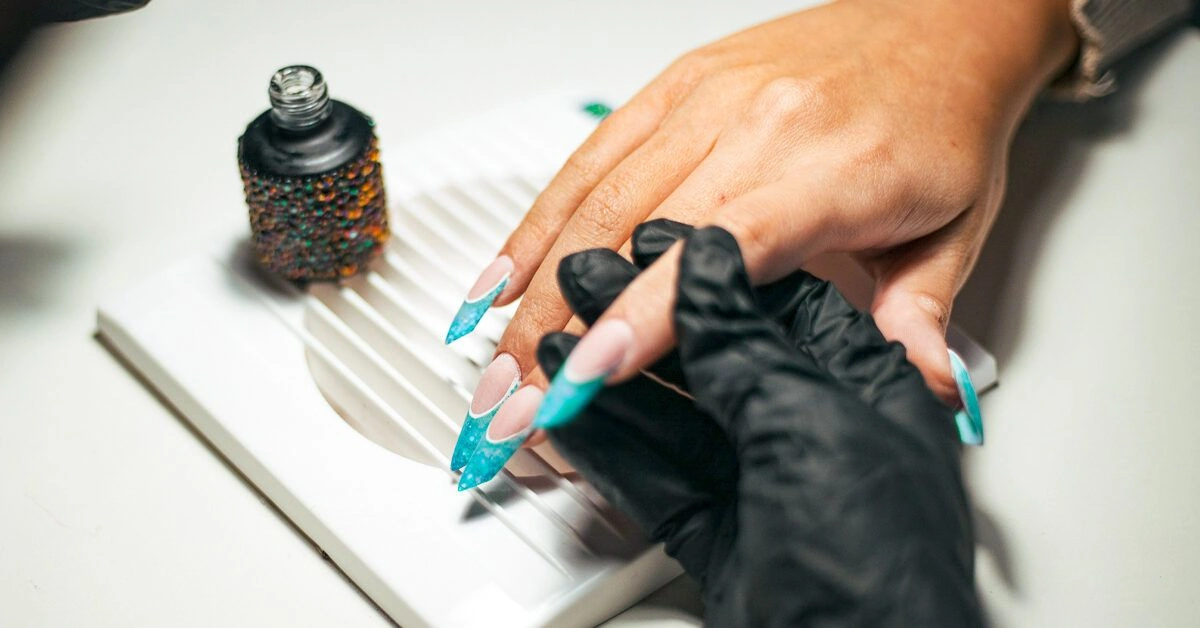
Fungal infections are a fairly common issue associated with acrylic nails, which are synthetic nails affixed atop your natural fingernails. In most instances, these infections are not serious and resolve with home measures or antifungal drugs.
Below we explore why acrylic nails can lead to fingernail fungal infections, how those infections are treated, and how you can minimize the risk of developing them.
How does nail fungus develop beneath acrylic nails?
Fungal infections account for more than 50 percent of nail disorders and are especially common among people who wear acrylic nails. One study reported that in a sample of 68 women who developed nail problems after acrylic nail removal, 67 had fungal infections.
Acrylic nails are attached to your natural nails with adhesive. If they lift or aren’t applied correctly, water can become trapped between the acrylic and the nail. Fungi grow best in damp environments and can proliferate around this trapped moisture.
Dermatophytes are the group of fungi most often responsible for nail infections, particularly the species Trichophyton rubrum.
Nail polish and contaminated tools
A 2018 study suggested that some nail polishes might support fungal survival and multiplication. Avoiding shared polish may be wise.
Using contaminated instruments at a nail salon can also expose you to fungi capable of causing an infection.
Signs of fingernail fungus from acrylic nails
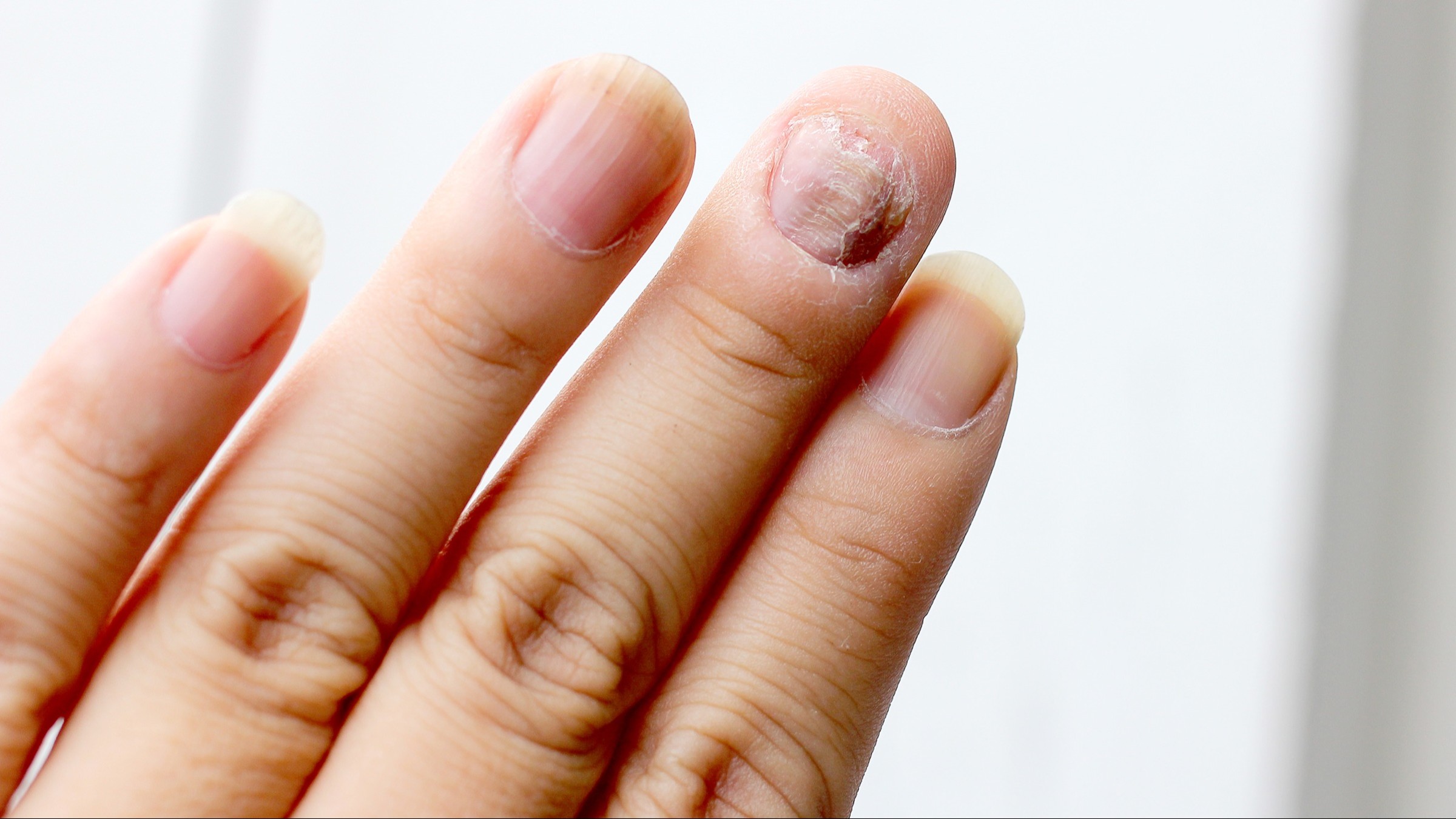
Initially, a fungal infection may not produce noticeable symptoms until it advances.
As it worsens, you might notice:
- a brittle, crumbly, or thickened nail
- an unpleasant odor from the nail
- pain or tenderness, especially when pressure is applied
- nail discoloration — yellow, green, black, or white
- itching
- redness
- swelling
How to treat a fingernail fungal infection related to acrylic nails
Many fingernail fungal infections improve on their own or with at-home approaches. Prescription antifungal medicines are reserved for more severe or persistent cases.
Home remedies for acrylic nail fungus
First, once you suspect an infection, have the acrylic nail removed and clean the area with soap and water. Don’t apply a new artificial nail until the issue has resolved.
Some people report success with the following home remedies, though evidence varies:
- Vinegar. Vinegar’s acidity can slow fungal and bacterial growth. Try soaking your finger in a mixture of two parts warm water to one part vinegar.
- Vicks VapoRub. An older 2011 study indicated Vicks VapoRub might have beneficial effects against toenail fungus. Apply a small amount to the affected finger once daily.
- Tea tree oil. The National Center for Complementary and Integrative Health notes one small study showed tea tree oil could help treat nail fungus, though more research is necessary. Apply twice daily.
- Oregano oil. Thymol, a compound in oregano oil, may possess antifungal activity. Apply with a cotton swab to the nail twice a day.
- Listerine mouthwash. Listerine contains ingredients with antifungal properties; some people soak the affected finger in original Listerine for 30 minutes a day hoping to help clear the infection.
You may also find guidance on related topics like how to cure fingernail fungus fast useful as you consider options.
Medical therapies
Medical intervention is typically unnecessary unless the fungal infection becomes severe. Severe cases are more likely in people with weakened immune systems, such as those receiving chemotherapy or living with HIV.
The preferred systemic therapy is the oral antifungal terbinafine, available by prescription. Treatment may be required for several months.
Other prescription antifungals a clinician might consider include:
- itraconazole
- fluconazole
- griseofulvin
When to consult a healthcare professional
Most nail fungal infections will resolve naturally or with home treatments. However, see a doctor for a prescription if home approaches fail or if the infection causes significant pain or functional problems.
Individuals who are immunocompromised should seek medical advice to prevent progression to a more serious infection.
How to prevent acrylic nail fungus
To lower the chance of fungal infections with acrylic nails:
- Have nails applied at a reputable salon that follows strict hygiene practices.
- Dry nails thoroughly after bathing or swimming.
- Keep your hands as dry as possible.
- If you frequently get fungal infections, consider an antifungal spray or powder on your nails.
- Avoid inserting sharp objects under your nails.
Other hazards associated with acrylic nails
Beyond fungal infections, acrylic nails carry additional potential risks.
Bacterial infection
Bacterial nail infections are less common than fungal ones, but people with artificial nails may be at higher risk for bacterial infections than those without.
Staphylococcus aureus and streptococci are frequent bacterial culprits behind nail infections.
Allergic reactions
Some individuals react to acrylates or the glues used to attach artificial nails. Allergic reactions typically affect the skin surrounding the nail and may cause:
- dry, flaky skin around the nail
- redness
- itchiness
- swelling
Weakened natural nails
To adhere acrylic nails, technicians often file down the natural nail plate. This thinning can weaken nails and make them more brittle.
Acetone is commonly used to remove acrylic nails, and frequent exposure can further dry and weaken the nails.
Bottom line
Fungal infections are a common complication of acrylic nails, usually resulting from moisture trapped under the artificial nail that allows fungi to overgrow.
Most cases are not serious and can be managed at home; more stubborn or severe infections generally respond to prescription antifungal medications.














Leave a Reply
You must be logged in to post a comment.