Sodium benzoate, a controversial preservative, is also used in certain medications and cosmetics. The World Health Organization (WHO) has defined an acceptable daily intake (ADI), and the U.S. Food and Drug Administration (FDA) permits a limited concentration in foods and drinks.
This compound is added to some sodas, packaged goods, and personal care items to extend shelf life.
While some believe this synthetic additive is innocuous, others have raised concerns linking it to cancer and various health issues.
This piece examines sodium benzoate in depth, outlining its applications and potential safety issues.
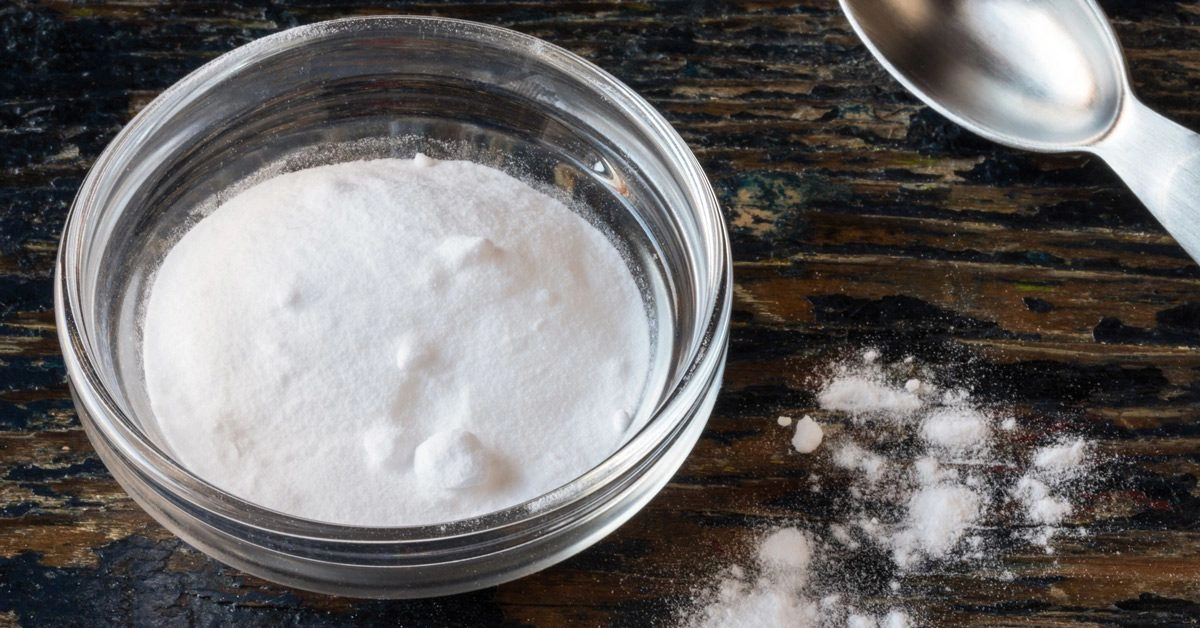
(img by Polifar)
ADVERTISEMENT
What Is Sodium Benzoate?
Sodium benzoate is primarily recognized as a preservative for processed foods and beverages to prolong freshness, although it serves multiple roles.
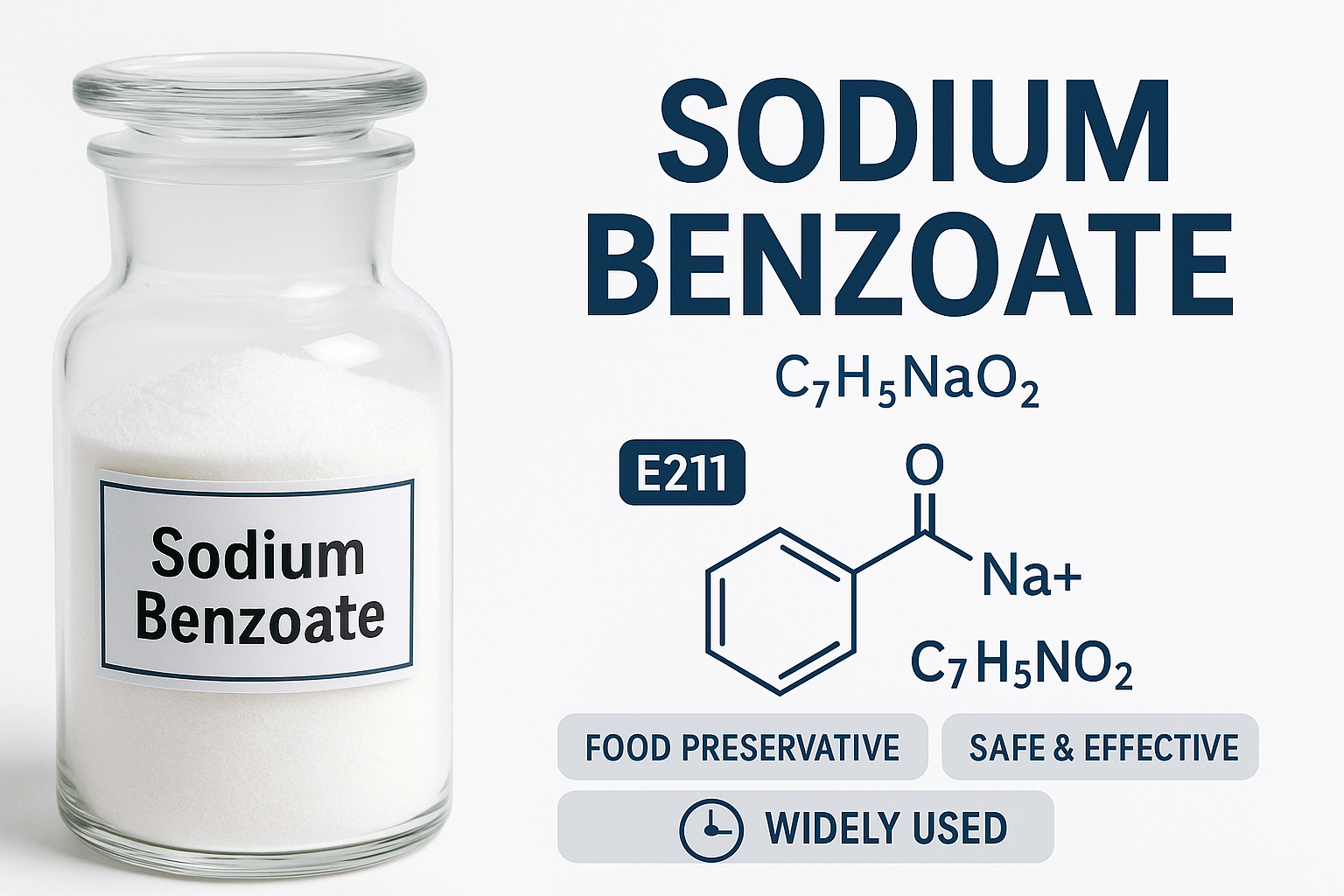
It appears as an odorless, crystalline powder produced by reacting benzoic acid with sodium hydroxide. Benzoic acid itself is an effective preservative, and combining it with sodium hydroxide increases its solubility in formulations (1).
Sodium benzoate is not found naturally, but benzoic acid occurs in many plants, including cinnamon, cloves, tomatoes, berries, plums, apples, and cranberries (2).
Moreover, certain bacteria generate benzoic acid during the fermentation of dairy products like yogurt (1, 3).
Summary: Sodium benzoate is a synthetic compound most commonly used as a preservative, though it has additional applications.
Uses Across Industries
Beyond processed foods and drinks, sodium benzoate appears in some pharmaceuticals, cosmetics, personal care products, and industrial formulations.
Below is a closer examination of its various roles.
Foods and Beverages
Sodium benzoate was one of the first preservatives authorized by the FDA for food use and remains a common additive. It is classified as Generally Recognized As Safe (GRAS), meaning experts consider it safe when employed as intended (1, 4).
It is approved worldwide as a food additive and carries identifying number 211; in Europe it is labeled E211 (5).
Sodium benzoate suppresses the growth of harmful bacteria, molds, and other microbes that cause spoilage, particularly in acidic foods (6).
Consequently, it’s frequently found in products such as soft drinks, bottled lemon juice, pickles, jams, salad dressings, soy sauce, and other condiments.
Medications
Some over-the-counter and prescription medicines, especially liquid formulations like cough syrup, include sodium benzoate as a preservative.
It can also act as a lubricant in tablet production, making pills smooth and transparent and enabling them to disintegrate quickly after ingestion (1).
At higher doses, sodium benzoate may be prescribed to reduce elevated blood ammonia levels, which can occur in certain medical conditions as a result of impaired protein metabolism (2).
Other Uses
It’s also widely used as a preservative in cosmetics and personal care products like hair care items, baby wipes, toothpaste, and mouthwash (2).
Industrial applications include anti-corrosion uses, for instance in engine coolants (2, 7).
Additionally, it may function as a stabilizer in photographic processes and to enhance the durability of certain plastics (2).
Summary: Sodium benzoate is a multipurpose chemical with preservative, pharmaceutical, and industrial roles, used across foods, beverages, medicines, cosmetics, personal care, and industrial>Sodium benzoate, a controversial preservative, is also used in certain medications and cosmetics. The World Health Organization (WHO) has defined an acceptable daily intake (ADI), and the U.S. Food and Drug Administration (FDA) permits a limited concentration in foods and drinks.
This compound is added to some sodas, packaged goods, and personal care items to extend shelf life.
While some believe this synthetic additive is innocuous, others have raised concerns linking it to cancer and various health issues.
This piece examines sodium benzoate in depth, outlining its applications and potential safety issues.
(img by Polifar)
ADVERTISEMENT
What Is Sodium Benzoate?
Sodium benzoate is primarily recognized as a preservative for processed foods and beverages to prolong freshness, although it serves multiple roles.
It appears as an odorless, crystalline powder produced by reacting benzoic acid with sodium hydroxide. Benzoic acid itself is an effective preservative, and combining it with sodium hydroxide increases its solubility in formulations (1).
Sodium benzoate is not found naturally, but benzoic acid occurs in many plants, including cinnamon, cloves, tomatoes, berries, plums, apples, and cranberries (2).
Moreover, certain bacteria generate benzoic acid during the fermentation of dairy products like yogurt (1, 3).
Summary: Sodium benzoate is a synthetic compound most commonly used as a preservative, though it has additional applications.
Uses Across Industries
Beyond processed foods and drinks, sodium benzoate appears in some pharmaceuticals, cosmetics, personal care products, and industrial formulations.
Below is a closer examination of its various roles.
Foods and Beverages
Sodium benzoate was one of the first preservatives authorized by the FDA for food use and remains a common additive. It is classified as Generally Recognized As Safe (GRAS), meaning experts consider it safe when employed as intended (1, 4).
It is approved worldwide as a food additive and carries identifying number 211; in Europe it is labeled E211 (5).
Sodium benzoate suppresses the growth of harmful bacteria, molds, and other microbes that cause spoilage, particularly in acidic foods (6).
Consequently, it’s frequently found in products such as soft drinks, bottled lemon juice, pickles, jams, salad dressings, soy sauce, and other condiments.
Medications
Some over-the-counter and prescription medicines, especially liquid formulations like cough syrup, include sodium benzoate as a preservative.
It can also act as a lubricant in tablet production, making pills smooth and transparent and enabling them to disintegrate quickly after ingestion (1).
At higher doses, sodium benzoate may be prescribed to reduce elevated blood ammonia levels, which can occur in certain medical conditions as a result of impaired protein metabolism (2).
Other Uses
It’s also widely used as a preservative in cosmetics and personal care products like hair care items, baby wipes, toothpaste, and mouthwash (2).
Industrial applications include anti-corrosion uses, for instance in engine coolants (2, 7).
Additionally, it may function as a stabilizer in photographic processes and to enhance the durability of certain plastics (2).
Summary: Sodium benzoate is a multipurpose chemical with preservative, pharmaceutical, and industrial roles, used across foods, beverages, medicines, cosmetics, personal care, and industrial products.
ADVERTISEMENT
Potential Health Risks
Many people are cautious about chemical additives like sodium benzoate. Early studies have raised safety questions, although further human research is necessary.
Can Convert to a Known Carcinogen
A primary worry is that sodium benzoate can transform into benzene, a recognized carcinogen.
Benzene may form in beverages that contain both sodium benzoate and vitamin C (ascorbic acid) (8).
Diet drinks are especially susceptible to benzene formation, since the sugar present in regular sodas and fruit drinks may inhibit its production (9).
Exposure to heat and light and prolonged storage can also elevate benzene concentrations (9).
In 2005, the FDA found that 10 of 200 sodas and fruit drinks tested had more than 5 parts per billion (ppb) benzene — the EPA’s maximum for drinking water safety (8).
Fruit-flavored diet sodas and juice drinks were among those exceeding 5 ppb. Since then, those products have been reformulated to meet acceptable levels or have had sodium benzoate removed.
The FDA has not released updated nationwide product testing but maintains that the low benzene amounts detected in beverages do not represent a health risk (8).
Nevertheless, there is a lack of long-term studies examining whether chronic low-level benzene exposure from beverages affects cancer risk (9).
Additional Possible Risks
Initial research has explored other potential hazards of sodium benzoate, including:
Inflammation: Animal research indicates sodium benzoate can trigger inflammatory pathways in proportion to dose, and inflammation may promote cancer development (10).
ADHD: One study of college students associated higher sodium benzoate intake from drinks with ADHD symptoms. Some research in children has also linked the additive to ADHD (11, 12).
Appetite regulation: In a laboratory study using mouse fat cells, sodium benzoate exposure reduced leptin secretion — an appetite-suppressing hormone — by 49–70%, depending on dose (13).
Oxidative stress: Test-tube studies suggest higher sodium benzoate concentrations generate more free radicals, which can damage cells and elevate chronic disease risk (14).
Allergic reactions: A small portion of people may develop allergies — such as itching or swelling — after consuming foods or using personal care products containing sodium benzoate (6, 15, 16).
More human studies are needed to validate these preliminary findings.
Summary: Research indicates sodium benzoate might be associated with inflammation, oxidative stress, obesity-related effects, ADHD, and allergic reactions. It can also form benzene, although beverage levels detected are generally considered low.
Possible Therapeutic Uses
At higher therapeutic doses, sodium benzoate can be used to treat certain illnesses.
It helps reduce elevated blood ammonia levels, for example in people with liver disease or inherited urea cycle disorders that impair ammonia elimination (17, 18).
Researchers have proposed mechanisms by which sodium benzoate might exert medicinal effects, such as binding unwanted metabolites or modulating enzyme activities that alter levels of other compounds (19, 20).
Other experimental therapeutic areas under investigation include:
Schizophrenia: In a six-week trial, 1,000 mg daily of sodium benzoate added to standard treatment reduced symptoms by 21% versus placebo. Another similar trial reported benefits as well (21, 22).
Multiple sclerosis (MS): Animal and in vitro studies suggest sodium benzoate might slow MS progression, possibly by promoting myelin formation, the protective sheath damaged in MS (23, 24, 25, 26).
Depression: In a six-week case report, a man with major depression taking 500 mg daily experienced a 64% symptom improvement, with MRI changes indicating improved brain structure associated with depression (27).
Maple syrup urine disease: In this inherited disorder that impairs breakdown of certain amino acids, one toddler in crisis responded to intravenous sodium benzoate (28).
Panic disorder: A woman with panic disorder who took 500 mg daily saw her panic symptoms fall by 61% over six weeks (19).
Despite possible benefits, sodium benzoate can cause adverse effects such as nausea, vomiting, and abdominal pain (2, 18).
Therapeutic doses may also lower body carnitine levels — an amino acid essential for energy production — which could necessitate carnitine supplementation (29, 30).
For these reasons, sodium benzoate is administered medically only under prescription, in controlled amounts, and with monitoring.
Summary: Medicinal sodium benzoate can lower high blood ammonia and is being tested for other disorders, including schizophrenia and MS, but it carries potential side effects and requires clinical oversight.
ADVERTISEMENT
General Safety
The FDA caps sodium benzoate at 0.1% by weight in foods and beverages; when used, it must be listed on ingredient labels (31).
The compound does not accumulate in the body; it is metabolized and excreted in urine within about 24 hours, which contributes to its safety profile (31).
WHO’s ADI for sodium benzoate is 0–2.27 mg per pound (0–5 mg per kg) of body weight. Typical diets generally do not exceed this threshold (2, 32, 33).
Some individuals may be more sensitive; consult a healthcare provider for testing if you suspect an allergy to sodium benzoate (2).
Regarding personal care products, the Environmental Working Group assigns sodium benzoate a hazard score of 3 out of 10, indicating a relatively low overall risk (34).
Summary: FDA regulations limit sodium benzoate in foods and beverages. Under typical exposure, toxicity is unlikely.
Final Thoughts
Sodium benzoate is generally considered safe, and most people do not surpass the ADI of 0–2.27 mg per pound (0–5 mg per kg) of body weight, though sensitivity varies.
Associations have been reported linking the additive to inflammation, ADHD, and obesity-related effects, but additional research is required to confirm these connections.
Keep in mind that substances with GRAS status can be reevaluated as new evidence emerges, so ongoing assessment of sodium benzoate’s safety is important, and individual tolerance may differ.
As a precaution, limiting processed food consumption and choosing personal care items with fewer synthetic additives and more natural components is sensible.
ADVERTISEMENT
Frequently Asked Questions
What is sodium benzoate used for?
Sodium benzoate is primarily used as a preservative in acidic foods and beverages, and also appears in medicines, cosmetics, and some industrial products.
Is sodium benzoate safe to consume?
Regulatory agencies permit sodium benzoate at low concentrations (FDA limit ~0.1% in foods); typical dietary exposure is generally below the acceptable daily intake, though sensitivity varies.
Can sodium benzoate form benzene?
Yes, under certain conditions (presence of vitamin C, heat, light, prolonged storage) sodium benzoate can contribute to benzene formation, so formulations are controlled to minimize that risk.
Are there health effects linked to sodium benzoate?
Some studies suggest potential links to inflammation, oxidative stress, ADHD-like symptoms, and allergic reactions, but more human research is needed to confirm these findings.
Can sodium benzoate be used medically?
At therapeutic doses, sodium benzoate is prescribed to lower high blood ammonia in certain metabolic disorders and is being investigated experimentally for other conditions under clinical supervision.
Share this article:
Disclaimer: This article is for informational purposes only and is not intended as medical advice. Please consult a healthcare professional for any health concerns.




















Leave a Reply
You must be logged in to post a comment.