
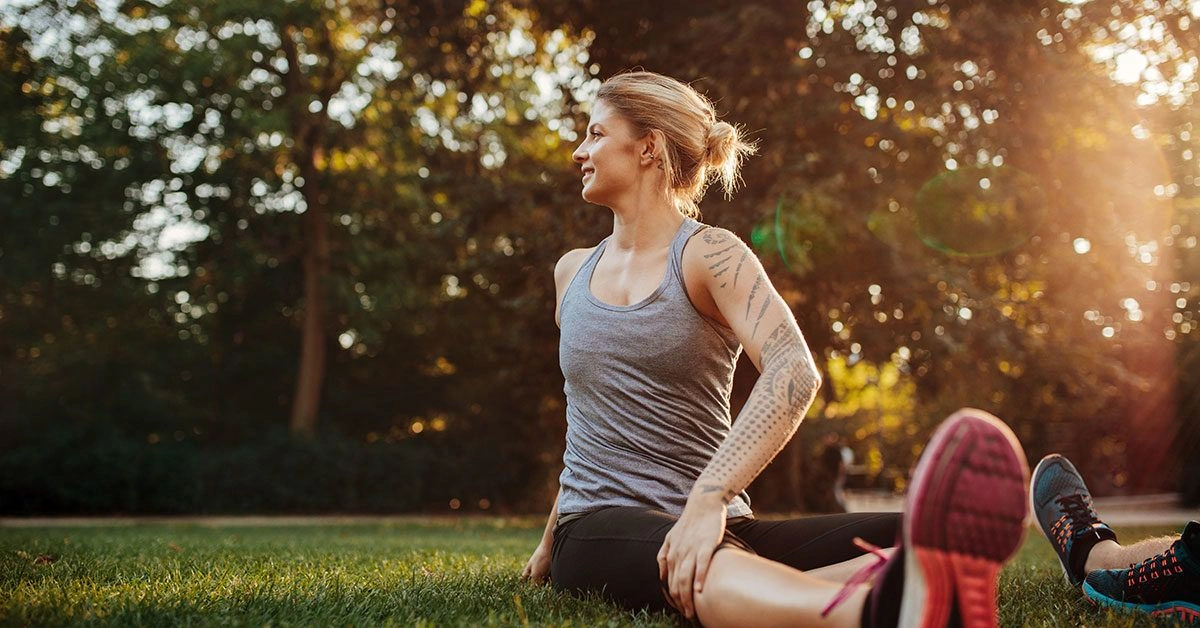
Turning your hip inward engages muscles such as the tensor fasciae latae, the upper gluteal muscles, and the inner thigh group. Without adequate internal rotation, routine tasks like pulling on trousers or stepping into a tub can become awkward.
Your hip internal rotators are active when you walk, run, squat, crouch, or crawl. They also work when you stand on one leg and rotate your pelvis.
Continue reading for exercises and stretches designed to target the muscles responsible for rotating the hip inward.
Muscles that produce hip internal rotation
Internal rotation of the hip recruits muscles located in the hip, buttock, and thigh regions. Key contributors include:
- the tensor fasciae latae (outer hip)
- the adductor longus, brevis, and magnus (inner thigh)
- the pectineus (upper front thigh)
There isn’t a single muscle responsible for inward hip rotation; rather, these muscles coordinate to create the movement.
Exercises and stretches for hip internal rotation
Restricted hip internal rotation can cause problems with your gait. For instance, your knees or the arches of your feet may collapse inward. When other joints compensate for limited hip internal rotation, your risk of injury can rise.
Strengthening exercises help develop the internal rotator muscles, while stretches enhance flexibility and expand range of motion for the muscles that rotate the hip inward.
Some of the following exercises and stretches can load the knee. If you experience knee pain, stop the activity.
Exercise 1: Seated hip internal rotation
- Sit on the floor with both knees bent at 90 degrees and the soles of your feet flat at a comfortable width. Place your left palm on the floor behind you for support and rest your right hand on your right knee.
- Keep your right foot dorsiflexed so your toes point upward. This helps protect the knee during the movement.
- With your right hand on your knee, rotate your right inner thigh down toward the floor so your right thigh and calf form a right angle as the thigh lowers. You should feel tension across the outer and front areas of the hip.
- Return your right leg to the starting position, then repeat.
- Perform 20–30 repetitions, then switch sides.
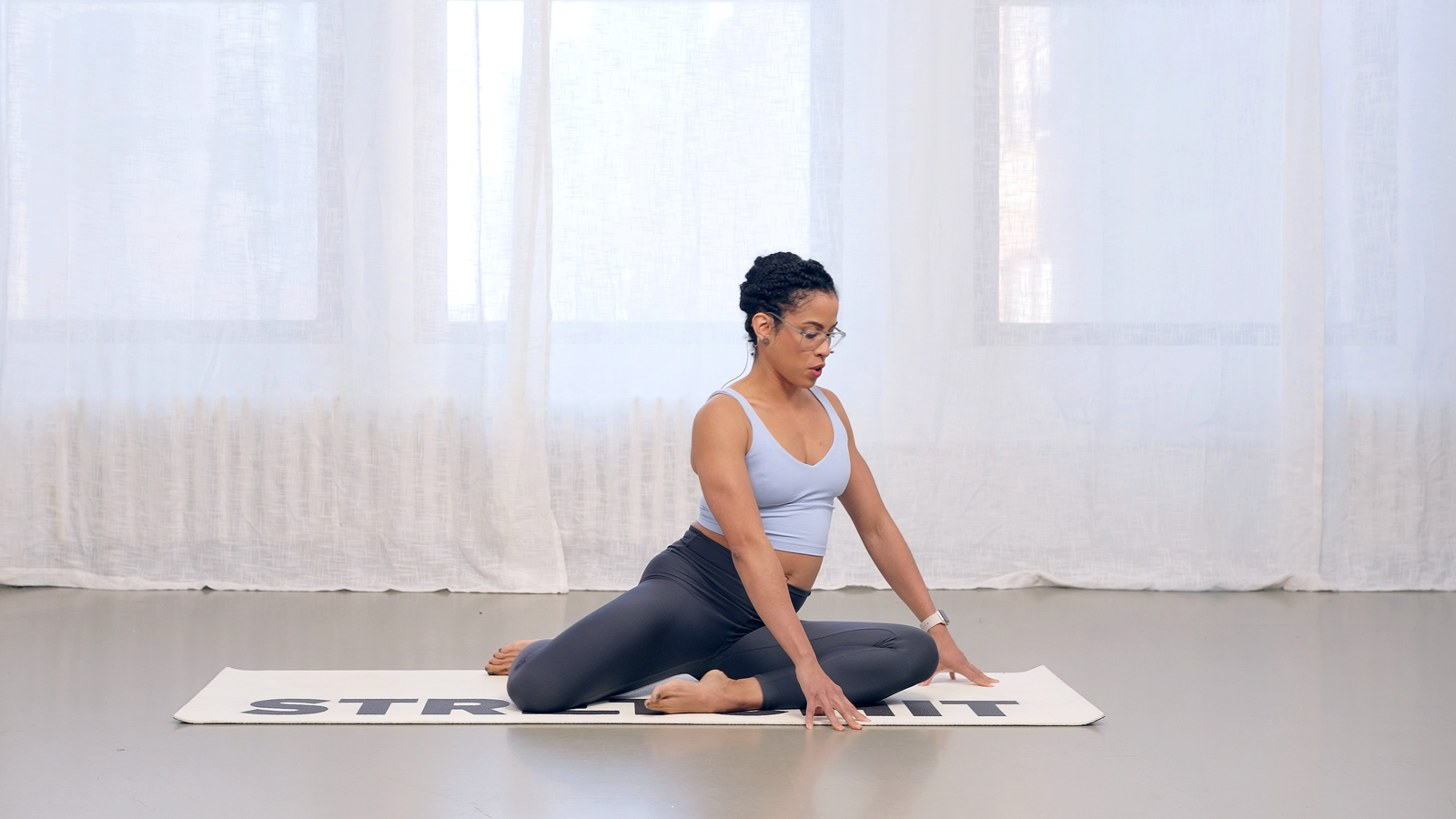
Exercise 2: Squat with internal rotations
- Begin in a deep squat with your hands clasped in front of your chest.
- Push through your left leg to shift your weight slightly up and to the left.
- As the right leg drops toward the floor, allow the right thigh to rotate inward at the hip. Pause briefly, then return to the squat.
- Now push up and toward the right with your right leg, letting the left leg drop to trigger left hip internal rotation. Pause, then repeat on the opposite side.
- Do 5–10 repetitions per side.
Exercise 3: 90/90 foot lifts
- Sit on the floor with your feet flat.
- Drop both knees toward the left so the outer side of your left leg rests on the ground and the inner side of your right leg contacts the floor. Both knees should be bent roughly at 90 degrees.
- Keep your hips and torso stable while lifting your right foot upward, then lower it back down.
- Complete 20–30 reps, then switch and perform the same pattern on the left side.
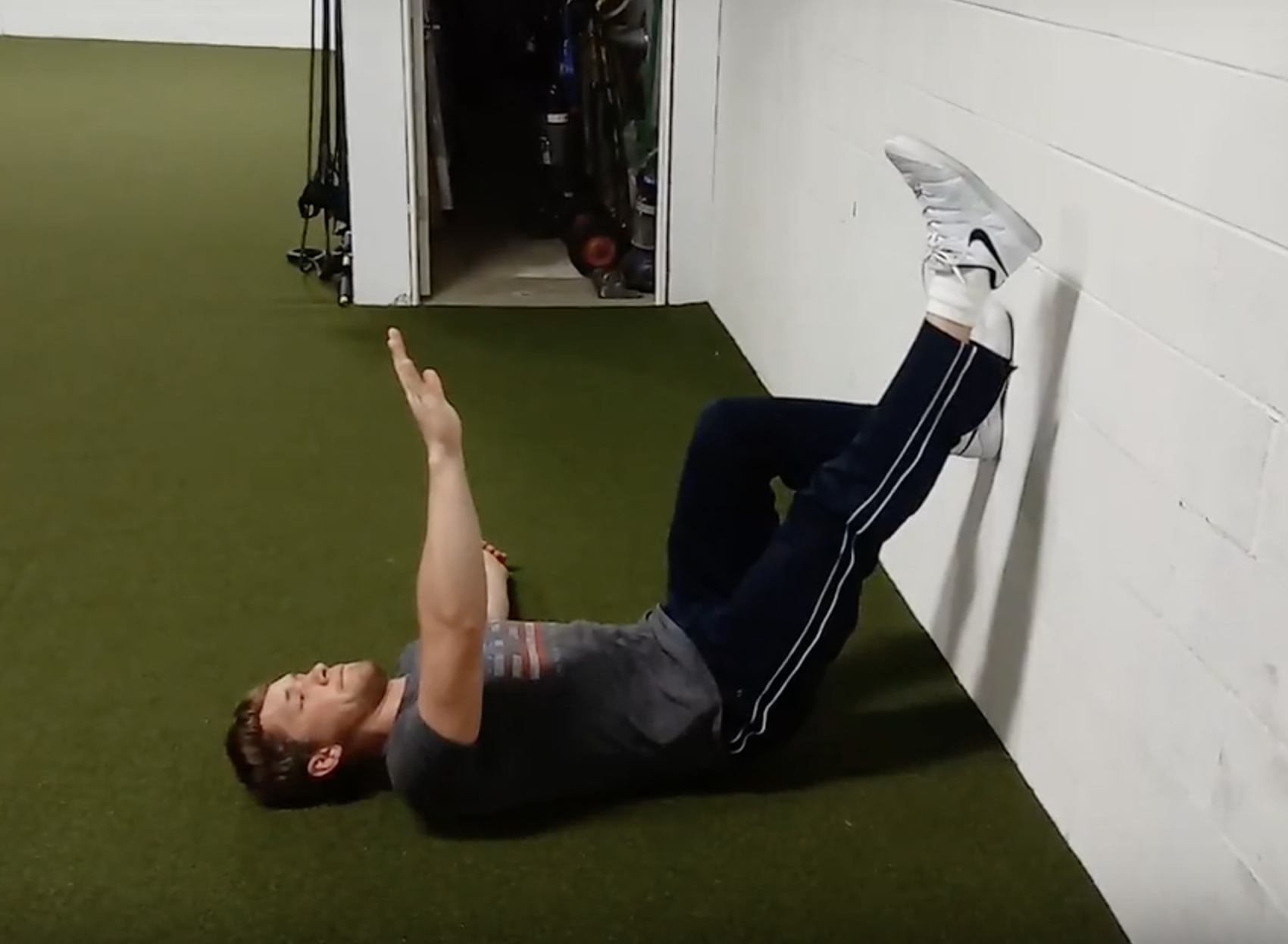
Stretch 1: Twisted-legged internal rotation
- Sit on the floor with knees bent, feet flat, and palms planted behind you for support.
- Allow both knees to fall rightward so that your left thigh extends in front of you and your left calf lies flat on the floor.
- Lift your right foot and place it across the top of your left knee.
- You should sense a deep stretch in the right hip. If it’s subtle, lean forward toward your legs or adjust your lower limb positions.
- Hold for 30–60 seconds, then repeat on the opposite side.
Stretch 2: Supine band-assisted internal rotation
For this stretch, use a resistance band, strap, or belt.
- Lie on your back with knees bent and feet flat.
- Loop the band under the sole of your right foot and bring both ends toward the inside of the leg, grasping them with your left hand.
- Keep your left leg extended and flat on the floor with the foot flexed. Place your right hand over your right knee to maintain its position above the hip.
- Keeping hold of the band with your left hand, draw your right foot toward you while holding the right knee aligned over the hip. You should feel the stretch deep in the right hip.
- Hold for about 30 seconds, then switch sides.
Stretch 3: Massage the internal rotators
Use a massage ball — or a tennis ball or baseball if you don’t have one — to release tightness in muscles involved in hip internal rotation, especially the tensor fasciae latae and the upper gluteals (medius and minimus).
- Lie on your right side with your right arm tucked under your head for support.
- Lift your right hip slightly and position the ball under the outer portion of your hip.
- Gently move over the ball to massage the tensor fasciae latae. Try small pelvic tucks and untucks or shifting your torso side to side and up and down to vary the pressure.
- To target the gluteus medius and minimus, roll onto your back so the ball sits under the upper buttock near the right hip. Move slowly side to side and up and down to release tension.
- Then switch to the left side and spend a few minutes working the corresponding muscles.
Hip internal rotation movements you can do at work
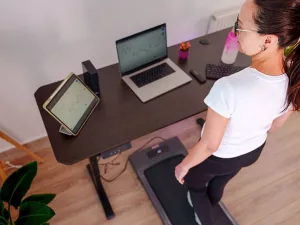
Prolonged sitting can contribute to limited hip internal rotation. Try these chair-based exercises and stretches to keep internal rotation mobile while at your desk.
Seated chair internal rotation
- Sit upright in a straight-backed chair with knees at 90 degrees and feet flat on the floor.
- Rotate your right foot outward and lift it as far as is comfortable while keeping the right knee stable.
- Bring your right foot back beside the left.
- Perform 20–30 repetitions, then repeat with the opposite leg.
Seated leg twist
- Sit with feet flat on the floor.
- Extend your right leg straight in front of you and flex the foot to protect the knee, toes pointing upward.
- Rotate your right leg so the toes point to the left. Pause, then return the toes to upward.
- Repeat 20–30 times for the right leg, then switch to the left.
Pain with internal hip rotation
Discomfort when rotating the hip inward can indicate a strained muscle, osteoarthritis, bursitis, or another problem affecting the hip joint.
Often, pain with internal rotation isn’t serious. However, if hip pain begins to limit daily activities, schedule an evaluation with a healthcare provider.
Takeaway
Internal hip rotation happens whenever you move the femur inward, engaging muscles like the tensor fasciae latae, upper gluteals, and inner thigh muscles. Performing targeted exercises and stretches can increase the range of motion of your internal rotators and help reduce the chance of lower-extremity injuries. For complementary work on surrounding muscles, consider adding hip flexor-specific drills such as hip flexor exercises, and if you have sharp or radiating hip symptoms, learn more about a pinched nerve in hip to rule out other causes.

















Leave a Reply
You must be logged in to post a comment.