

A gastrointestinal (GI) cocktail is a drinkable blend of medicines intended to relieve symptoms of indigestion.
Here, we explain what components typically make up a GI cocktail, how effective it appears to be, and what potential adverse effects may occur.
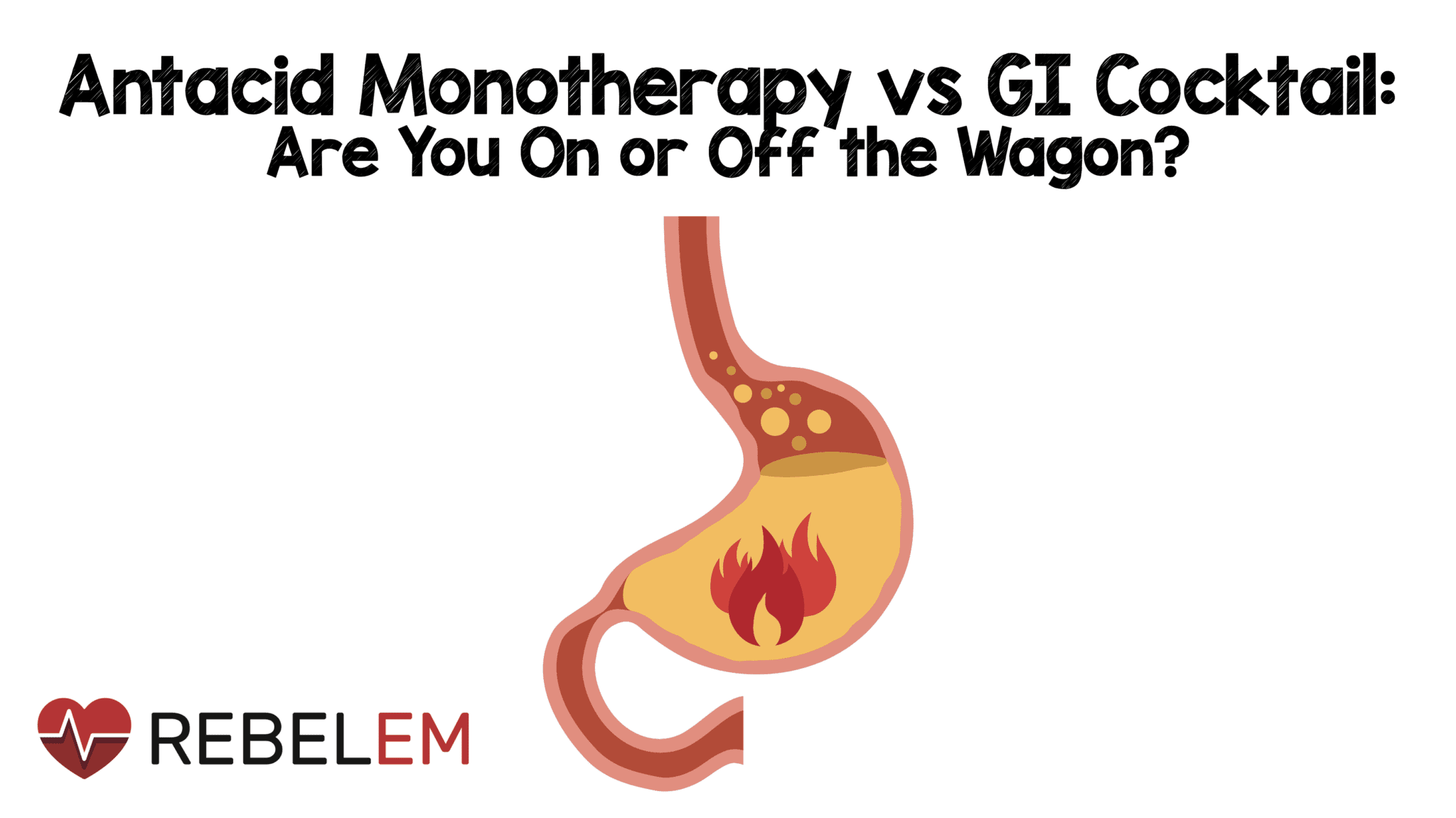
What makes up a GI cocktail?
“GI cocktail” is not the name of a single commercial product. Rather, it denotes a mixture of three commonly combined therapeutic agents:
- an antacid
- a topical oral anesthetic (liquid)
- an anticholinergic
The table below summarizes each component, its purpose, example brand names, active ingredients, and usual volumes:
| Ingredient | Purpose | Brand example | Active component(s) | Usual amount |
| liquid antacid | neutralizes gastric acid | Mylanta or Maalox | aluminum hydroxide, magnesium hydroxide, simethicone | 30 mL |
| anesthetic | numbs the lining of the throat, esophagus, and stomach | Xylocaine Viscous | viscous lidocaine | 5 mL |
| anticholinergic | reduces cramping in the stomach and intestines | Donnatal | phenobarbital, hyoscyamine sulfate, atropine sulfate, scopolamine hydrobromide | 10 mL |
When is a GI cocktail used?
Providers most often give a GI cocktail for dyspepsia, commonly called indigestion.
Indigestion is a symptom rather than a diagnosis and can be caused by underlying GI conditions such as:
- acid reflux
- a peptic ulcer
- gastritis
When indigestion isn’t secondary to another disease, it may stem from medications, dietary choices, or lifestyle factors like stress or tobacco use.
Indigestion usually follows eating; some people have it daily, while others experience it intermittently.
Although most people will encounter indigestion at some point, symptoms vary between individuals.
Common manifestations include:
- abdominal discomfort
- bloating
- belching
- chest discomfort
- constipation or diarrhea
- heartburn
- gas
- decreased appetite
- nausea
GI cocktails are most often given in hospital or emergency department settings to manage these complaints.
Occasionally, clinicians use a GI cocktail to help differentiate indigestion-related chest pain from cardiac causes.
However, support for using the cocktail as a diagnostic test is limited. Some case reports advise against relying on it to exclude heart problems.
Does it relieve symptoms?
A GI cocktail can reduce indigestion symptoms, but research is sparse and somewhat out of date.
A 1995 study in an emergency department evaluated symptom relief after a GI cocktail in 40 patients with chest pain and 49 with abdominal pain.
Many patients reported improvement, but because the cocktail was frequently given alongside other therapies, it was difficult to determine which component provided benefit.
Other studies have questioned whether the full cocktail is superior to a simple antacid.
A randomized, double-blind trial from 2003 enrolled 120 subjects who received one of three regimens:
- an antacid alone
- an antacid plus an anticholinergic (Donnatal)
- an antacid, an anticholinergic (Donnatal), and viscous lidocaine
Participants rated their indigestion pain before and 30 minutes after treatment.
The study found no meaningful differences in pain reduction among the three groups.
That result suggests that an antacid by itself may be as effective as the combined mixture, though further studies would help confirm this.
A 2006 report for clinicians also recommended an antacid alone as a preferred initial approach to indigestion.
Potential adverse effects
Each component of a GI cocktail carries its own risk of side effects.
Possible side effects of antacids such as Mylanta or Maalox include:
- constipation
- diarrhea
- headache
- nausea or vomiting
Possible adverse effects of viscous lidocaine (Xylocaine Viscous) include:
- dizziness
- drowsiness
- local irritation or swelling
- nausea
Possible side effects of anticholinergics (Donnatal) include:
- bloating
- blurred vision
- constipation
- insomnia
- dizziness
- fatigue or drowsiness
- dry mouth
- headache
- nausea or vomiting
- reduced sweating or urination
- photophobia (sensitivity to light)
Alternative medical treatments
Several other medications can help manage indigestion, and many are available without a prescription.
A clinician can advise which option best fits your particular symptoms. Common alternatives include:
- H2 receptor blockers. Medicines such as Pepcid are used to treat conditions involving excess stomach acid.
- Prokinetics. Drugs like Reglan and Motilium enhance gastric emptying and strengthen the lower esophageal sphincter to reduce reflux; these require a prescription.
- Proton pump inhibitors (PPIs). PPIs — for example Prevacid, Prilosec, and Nexium — block acid production and are stronger than H2 blockers. They are available both over-the-counter and by prescription.
For readers interested in digestive function and related disorders, consider reading the role of digestive enzymes in gi disorders for complementary information.
Self-care strategies to ease indigestion
Medication isn’t the only option; lifestyle adjustments can also reduce or prevent indigestion.
Self-care measures that may help include:
- If you smoke, seek assistance to quit.
- Eat smaller meals more frequently.
- Chew slowly and eat at a leisurely pace.
- Avoid lying down right after eating.
- Limit foods that are fried, spicy, or greasy, which commonly trigger indigestion.
- Cut back on coffee, soft drinks, and alcoholic beverages.
- Ask a pharmacist whether any of your medications, such as some pain relievers, are irritating your stomach.
- Ensure you get adequate sleep.
- Try calming home remedies like peppermint or chamomile tea, lemon water, or ginger.
- Reduce stress with relaxation practices such as yoga, exercise, meditation, or other stress-management techniques.
Mild indigestion is common, but persistent or severe symptoms should not be ignored.
Seek immediate medical attention for chest pain, unexplained weight loss, or persistent vomiting.
Bottom line
A GI cocktail is a combination of an antacid, viscous lidocaine, and an anticholinergic (Donnatal) used in hospital and emergency settings to treat indigestion and related symptoms.
Current evidence does not clearly show that the full cocktail is superior to an antacid alone for relieving indigestion.

















Leave a Reply
You must be logged in to post a comment.