
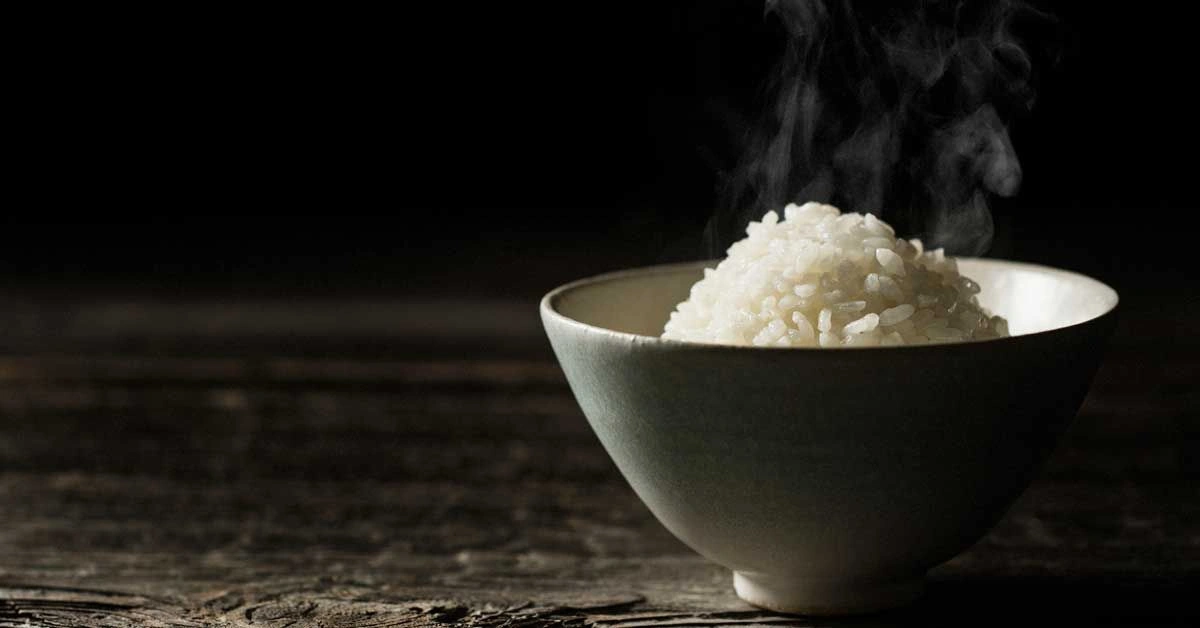
While some rice varieties boast more fiber, protein, or antioxidants than others, all forms of rice can be part of a balanced, nutritious eating plan.
Rice is a dietary cornerstone in many nations and supplies billions of people worldwide with an affordable, energy-rich food source.
There are numerous kinds of this widely consumed grain that vary in color, taste, and nutrient composition.
Certain varieties are also particularly abundant in vitamins and beneficial plant compounds, including antioxidants.
This article reviews the most nutrient-dense types of rice and offers tips on how to get the most health benefits from whichever variety you pick.
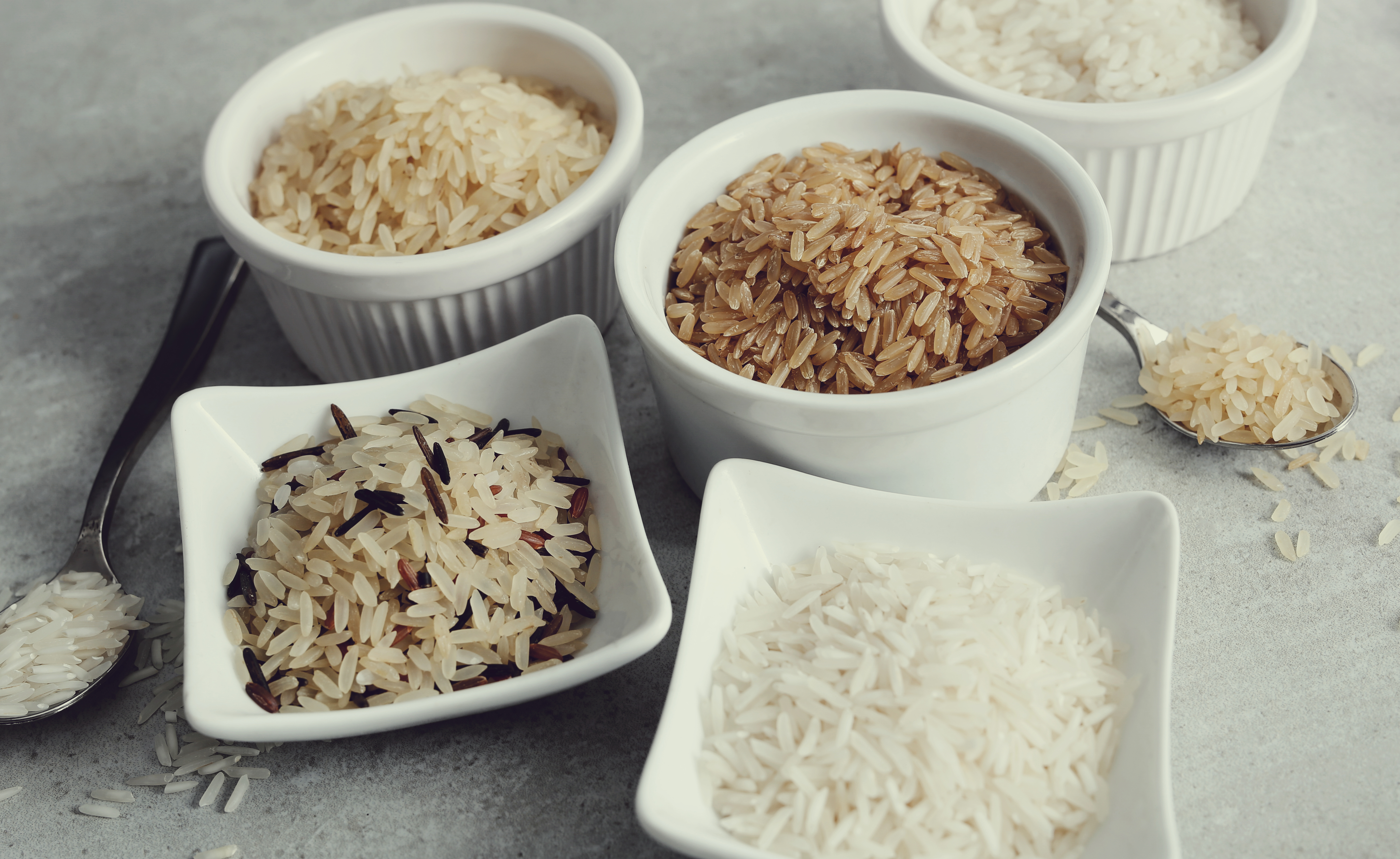
Brown rice
Brown rice is a whole-grain form of rice where only the tough outer hull is removed. In contrast to white rice, it retains the bran layer and germ, both of which supply a considerable amount of nutrients.
For instance, the bran of brown rice contains flavonoid antioxidants such as apigenin, quercetin, and luteolin. These substances play an important role in preventing disease.
Habitual intake of flavonoid-rich foods has been associated with a reduced risk of chronic illnesses like cardiovascular disease and some cancers.
Brown rice contains a similar amount of calories and carbohydrates to white rice, which has been milled to remove the bran and germ. Still, the brown type is marginally higher in fiber and protein.
Both fiber and protein help increase feelings of satiety and can assist with maintaining a healthy weight. Additionally, fiber supports blood sugar regulation and insulin function, which are key for glycemic control.
That said, evidence about the long-term health advantages of choosing brown over white rice is mixed.
For instance, a 2021 review reported that replacing white rice with brown rice led to modest weight loss but did not produce marked improvements in blood sugar among people with prediabetes or type 2 diabetes.
Summary: Brown rice is a whole-grain option that includes several flavonoids and contains slightly more protein and fiber than white rice.
Black (forbidden) rice
Black rice types, like Indonesian black rice and Thai jasmine black rice, exhibit a deep black hue that often turns purple once cooked.
Historically called forbidden rice, it’s said to have been reserved for nobility in ancient China.
Studies indicate black rice has the highest antioxidant capacity among rice varieties, making it a nutrient-dense choice.
Antioxidants defend cells from damage caused by an overabundance of free radicals, which lead to oxidative stress.
Oxidative stress has been linked to the development of chronic diseases such as heart disease, several cancers, and age-related cognitive decline.
Black rice is particularly rich in anthocyanins, a class of flavonoid pigments with potent antioxidant and anti-inflammatory effects.
Anthocyanins also exhibit strong anti-cancer potential. Population research suggests that diets higher in anthocyanin-containing foods are associated with a reduced risk of some cancers, including colorectal cancer.
Moreover, in vitro studies show anthocyanins from black rice can inhibit the growth and spread of human breast cancer cells.
Summary: Black rice stands out for its high antioxidant levels, notably anthocyanins, which have demonstrated anti-cancer activity in laboratory studies.
Red rice
Red rice types, like Himalayan red rice and Thai red cargo rice, are richly colored and provide a substantial assortment of nutrients and health-promoting plant compounds.
This variety is higher in protein and fiber than many white rice options, but its major benefit lies in its antioxidant profile.
Similar to black rice, red rice is loaded with flavonoid antioxidants, including apigenin, myricetin, and quercetin.
Indeed, research indicates red rice is more effective at neutralizing free radicals and contains greater amounts of flavonoid antioxidants than brown rice.
Flavonoids can diminish inflammation, help control oxidative damage, and may lower the risk of chronic diseases such as heart disease and type 2 diabetes.
Summary: Red rice offers slightly more fiber and protein than white rice and is rich in flavonoid antioxidants.
Wild rice
Although wild rice is technically the seed of aquatic grasses, it’s commonly prepared and eaten like other rice varieties.
It’s considered a whole grain and contains a bit more fiber and protein than white rice, making it more satisfying. Wild rice also supplies B vitamins, magnesium, and manganese.
Several animal studies suggest wild rice may lower triglycerides and cholesterol, improve insulin sensitivity, and reduce oxidative stress—factors linked to heart disease risk. More human research is needed to confirm these effects.
Summary: Wild rice is a good source of B vitamins, manganese, and magnesium, and has been shown to reduce several heart disease risk markers in animal studies.
White rice
White rice has been milled to remove the husk, bran, and germ. While this process extends shelf life, it also removes the nutrients and beneficial phytochemicals found in the bran and germ.
Consequently, it contains less fiber, protein, and some vitamins and minerals compared with brown rice. It is also substantially lower in antioxidants than brown, black, red, or wild rice varieties.
However, white rice is frequently fortified with B vitamins and iron, so certain white rice products may actually provide more of these micronutrients than their brown counterparts.
Although white rice is a bit lower in fiber and protein, you can compensate by serving it with other fiber- and protein-rich foods.
White rice also has a higher glycemic index than brown rice, indicating it can raise blood sugar more quickly.
Cooling cooked white rice encourages formation of resistant starch, a type of dietary fiber that can help blunt its impact on blood sugar.
White rice is lower in arsenic than many other rice types, which may be a relevant factor for people who eat rice frequently.
Summary: White rice contains fewer of certain nutrients than brown rice, including fiber and protein, and has a higher glycemic index. Still, it’s often enriched with iron and B vitamins and tends to contain less arsenic.
Pre-made and packaged blends
Some packaged rice mixes can be a nutritious option, but many are loaded with calories, sodium, or added sugars.
For example, a 1-cup (150-gram) portion of Uncle Ben’s Teriyaki Flavor Ready Rice contains 900 milligrams of sodium—about 39% of the Daily Value.
Excess sodium intake can raise your risk of serious conditions like heart disease. Processed items may also include added sugars, which should be limited within a wholesome diet.
Summary: Many packaged rice blends are high in calories, sodium, or added sugar, so they’re best enjoyed occasionally.
Which variety should you pick?
Evidence indicates that consuming whole grains instead of refined grains is associated with better health outcomes.
Whole-grain rice types also tend to be richer in antioxidants that protect against disease, and a diet abundant in such antioxidant-packed foods can provide multiple health advantages.
That said, white rice remains a cultural mainstay for many and can be an adaptable, budget-friendly component of meals.
If you often eat white rice or convenience rice items, try to boost the meal with nutrient-dense additions—like vegetables, lean proteins, or legumes—to increase fiber and micronutrient intake. For more on pairing rice choices, see is basmati rice healthy.
Cooking rice yourself instead of using ready-made mixes lets you control what goes into the dish, which can greatly reduce sodium and added sugar.
Summary: Whole-grain rice options are higher in antioxidants, but all rice types can fit into a healthy diet. Pair rice with vegetables, proteins, and legumes to create a well-rounded meal. Also consider dairy choices to complement meals—see healthiest milk for ideas.
The bottom line
Whole-grain rice varieties retain the bran and germ and therefore supply more of certain nutrients such as fiber, protein, antioxidants, and some vitamins and minerals.
Nevertheless, white rice still offers useful nutrients and can be part of a balanced eating pattern.
No matter which rice you choose, serve it alongside a variety of vegetables, protein sources, and heart-healthy fats to help round out your plate.



















Leave a Reply
You must be logged in to post a comment.