
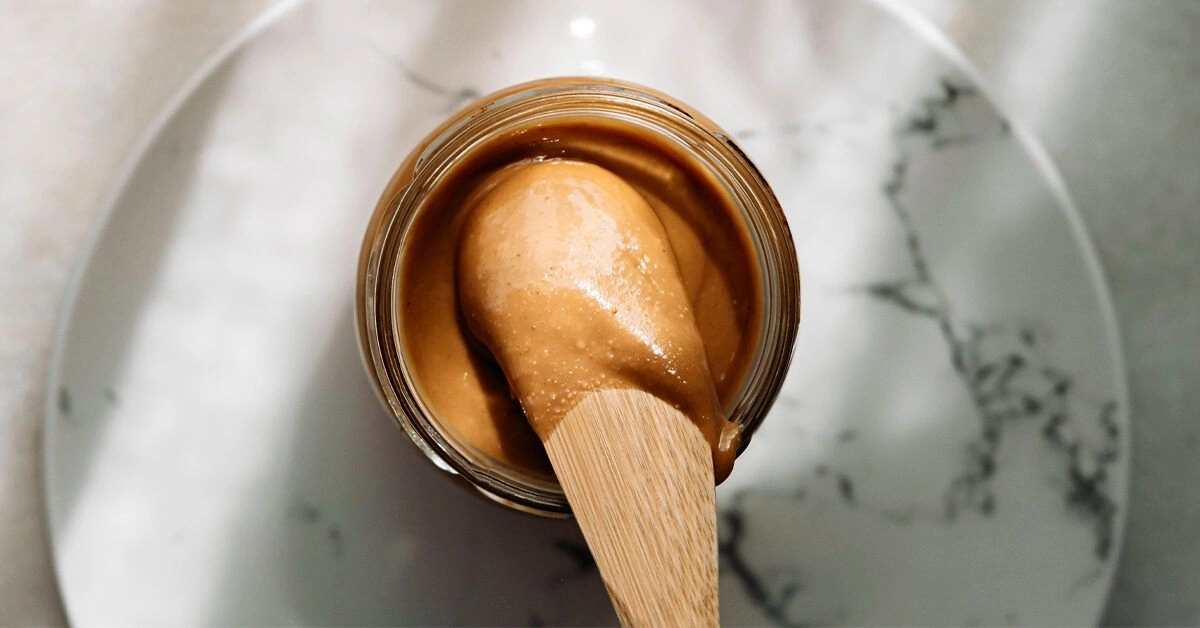
On toast, blended into shakes, or spooned straight from the jar — peanut butter is a flavorful, nutrient-dense pantry favorite you likely have on hand.
But if you follow a low-carb, high-fat ketogenic (keto) eating plan, you may be asking whether peanut butter fits conveniently into that approach.
With keto, carbohydrate intake is sharply reduced to around 50 grams per day or less. This reduction can encourage your body to enter ketosis, a metabolic state in which fat becomes the primary fuel instead of carbohydrates.
The diet was first created to treat epilepsy in children, yet it has also demonstrated benefits for short-term weight loss and blood glucose control in adults (1).
Here’s how to incorporate peanut butter while following a keto plan.
Is peanut butter keto-friendly?
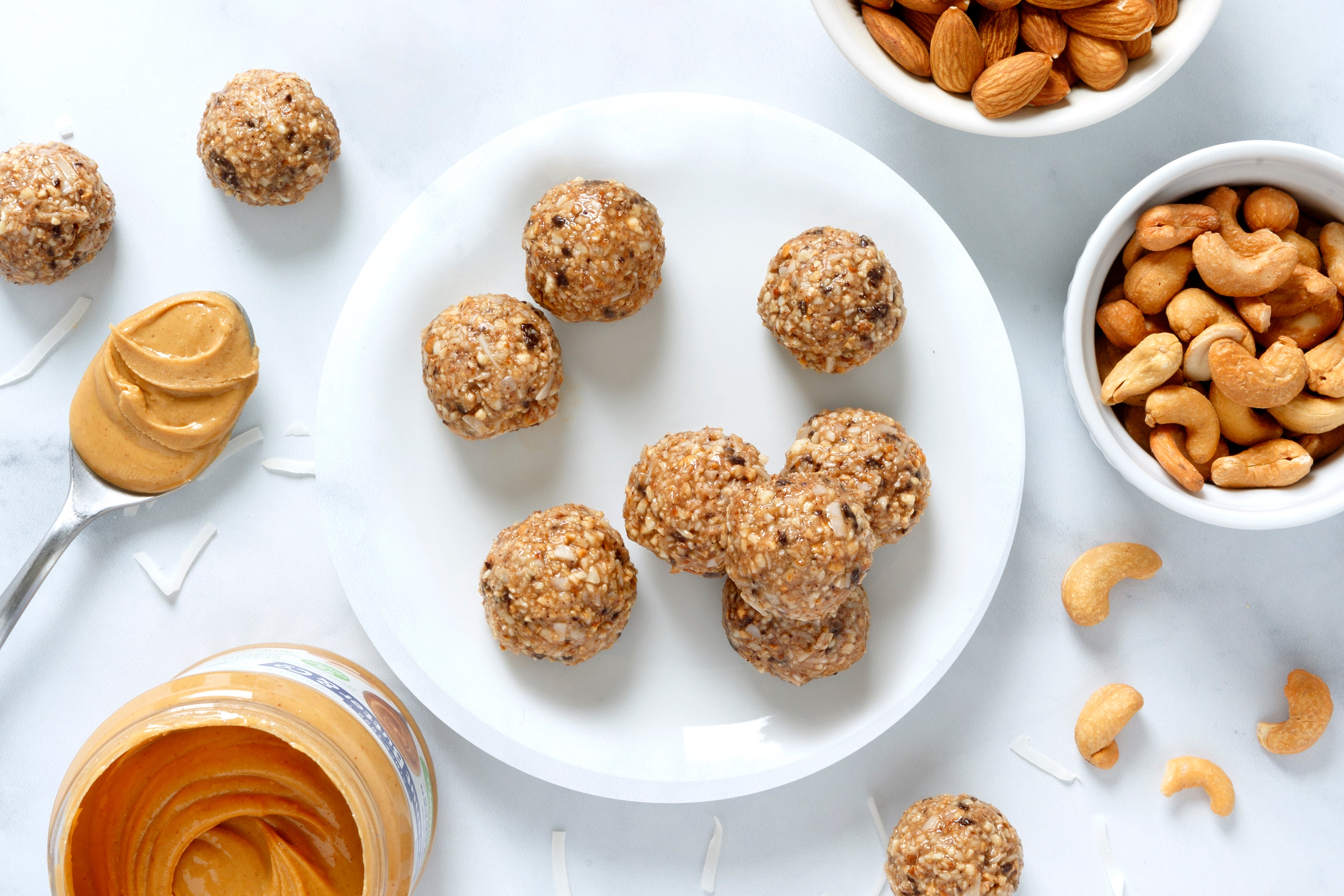
Peanut butter is relatively low in carbs and supplies fiber along with heart-healthy fats. That makeup makes peanut butter a reasonable choice for keto, depending on the specific product.
The table below compares several peanut butter varieties and their carbohydrate amounts per 2-tablespoon (32–37 gram) portion.
Many people on keto track net carbs (total carbs minus fiber), so we’ve listed net carb values as well (2).
| Smooth peanut butter ( 3 ) | Crunchy peanut butter ( 3 ) | Peanut butter with honey ( 4 ) | Chocolate peanut butter ( 5 ) | Reduced fat peanut butter ( 6 ) | |
| Calories | 191 | 191 | 180 | 190 | 166 |
| Total carbs | 7 grams | 7 grams | 12 grams | 21 grams | 11 grams |
| Fiber | 2 grams | 2 grams | 1 gram | 1 gram | 2 grams |
| Net carbs | 5 grams | 5 grams | 11 grams | 20 grams | 9 grams |
Brand formulations differ slightly, but in general, moderate portions of plain smooth or crunchy peanut butter can be included on keto.
By contrast, peanut butter flavored with honey or other sugary additions like chocolate or fruit spreads often contains too many carbs from sugar to comfortably fit into a keto regimen.
Also note that reduced-fat peanut butter tends to have a higher carb count per serving than regular smooth or crunchy varieties.
Summary: Standard peanut butter, whether smooth or crunchy, has roughly 7 grams total carbs or 5 grams net carbs per 2-tablespoon (32-gram) serving. Some flavored or reduced-fat versions may be too carb-heavy for easy inclusion on keto.
Tips for including peanut butter on a keto diet
To enjoy peanut butter while staying within keto guidelines, keep two main points in mind.
First, read the ingredient list for added sugars. Sweetened peanut butter is more suitable for desserts but raises the carbohydrate total.
Second, watch your portions, especially if weight loss is a goal. Peanut butter is calorie-dense for a small scoop. A typical serving is 2 tablespoons (32 grams) — often smaller than people expect.

If peanut butter doesn’t work for you or you want an option with slightly fewer carbs, almond butter is a solid alternative. Per 2-tablespoon (32-gram) serving it provides about 6 grams total carbs, or 3 grams net carbs (7).
Summary: Some peanut butters contain added sugars that increase carbohydrate content. Plain, unsweetened almond butter is a marginally more keto-friendly substitute.
Heads up
Striving to “do everything right” with food can be understandable, but it may become harmful.
If you find yourself preoccupied with eating, punished by guilt over food choices, or frequently using strict diets, consider seeking help. These patterns can signal a disordered relationship with food or an eating disorder.
Eating disorders and disordered eating can affect people of any gender, race, age, body size, socioeconomic background, or identity.
They arise from a mix of biological, social, cultural, and environmental influences — not merely exposure to diet culture.
If you’re struggling, consider speaking with a qualified healthcare provider, such as a registered dietitian.
You can also contact trained volunteers confidentially via chat, phone, or text through the National Eating Disorders Association helpline at no cost, or explore the group’s free and low-cost resources.
The bottom line
Peanut butter can be part of a keto eating plan, but opt for plain versions without added sweeteners or flavors. Almond butter is another good choice and is slightly lower in carbs.
Also be mindful of serving size if you’re aiming to lose weight. A 2-tablespoon (32-gram) portion may be smaller than you imagine.
Overall, regular peanut butter in sensible amounts can fit within your daily carb budget, bringing you closer to the ideal keto-friendly peanut butter and jelly sandwich.
Just one thing
Try this today: If you have a peanut or tree-nut allergy, consider sunflower seed butter or tahini — a paste made from sesame seeds — as nut-free replacements.




















Leave a Reply
You must be logged in to post a comment.