

Key takeaways
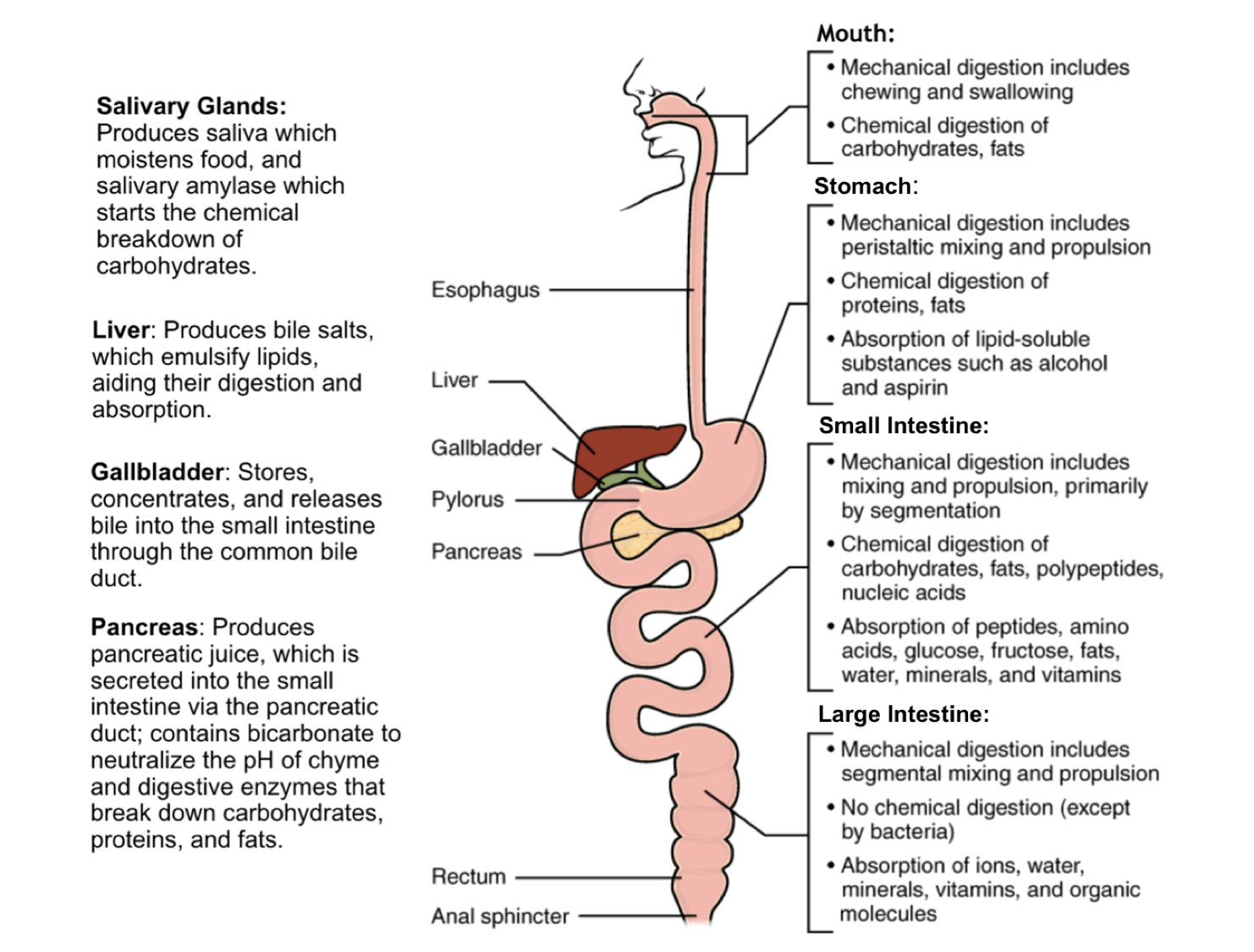
- Digestive enzymes are produced throughout the digestive tract — in the mouth, stomach, and small intestine — and help dismantle food so nutrients can be absorbed.
- When the body can’t generate sufficient digestive enzymes, digestion can be impaired and malnutrition may result. In such cases, taking enzyme replacement medication before meals can assist with processing food.
- Certain foods naturally contain enzymes and may support digestion, including papaya, sauerkraut, and avocado.
Endogenous digestive enzymes are a crucial component of your digestive tract. Without them, foods cannot be decomposed into forms that the body can absorb and utilize.
An inadequate supply of digestive enzymes can produce a range of gastrointestinal (GI) symptoms and may leave you nutritionally deficient despite eating well.
Continue reading to find out more about digestive enzymes, the effects of enzyme deficiency, and available strategies to address it.
What are digestive enzymes?
Your digestive organs — including the mouth, stomach, and small intestine — generate enzymes, with the pancreas contributing the largest portion.
These enzymes break down carbohydrates, fats, and proteins from the foods you eat, enabling nutrient absorption and supporting overall health. Without them, valuable nutrients in food are wasted.
Various medical conditions can disrupt enzyme production.
When the pancreas fails to produce enough digestive enzymes, the condition is known as exocrine pancreatic insufficiency (EPI), which can result in poor digestion and malnutrition. In such situations, taking digestive enzyme replacement before meals can help your body process foods more effectively.
Some digestive enzyme therapies require a prescription, while others are available over the counter (OTC).
Types of digestive enzymes
The primary categories of enzymes include:
- Amylase. Breaks down carbohydrates (starches) into sugar units. Low amylase levels may contribute to diarrhea.
- Lipase. Works alongside bile from the liver to digest fats. Insufficient lipase can cause deficiencies in fat-soluble vitamins like A, D, E, and K.
- Protease. Splits proteins into amino acids and helps limit bacterial, yeast, and protozoal overgrowth in the intestines. A lack of protease can contribute to intestinal allergies or toxicity.
Enzyme replacement products and supplements come in many formulations, containing different components and strengths.
Pancreatic enzyme replacement therapy (PERT) is prescription-only and is commonly derived from pig pancreas. These products are regulated and reviewed by the U.S. Food and Drug Administration (FDA).
Some prescription formulations contain pancrelipase, a mix of amylase, lipase, and protease. These preparations are frequently enteric-coated so stomach acid won’t destroy them before they reach the intestines.
Dosing depends on individual factors such as body weight and eating patterns. Physicians typically begin with the lowest effective dose and adjust as necessary.
OTC enzyme supplements are sold where dietary supplements are available, including online retailers. They may originate from animal pancreases or from plant-based sources such as molds, yeasts, fungi, or fruit enzymes.
Because OTC digestive enzymes are classified as supplements rather than drugs, they don’t require FDA premarket approval. As a result, ingredient composition and potency can vary between batches.
How do digestive enzymes work?
If the pancreas does not secrete adequate digestive enzymes, your capacity to break down foods and absorb nutrients is impaired. This can cause malnutrition and symptoms such as bloating, cramping, gas, and diarrhea.
Replacement digestive enzymes substitute for the missing natural enzymes, helping to decompose carbohydrates, fats, and proteins from your diet. The resulting nutrients are taken up across the small intestine’s lining and distributed via the bloodstream.
Consequently, enzyme replacement can reduce malabsorption and related digestive discomfort.
Because they mimic your pancreas’s natural enzymes, replacement preparations should be taken immediately before eating so they can act as food reaches the stomach and small intestine.
In some situations, doses may be split. For instance, during an extended meal or if you eat slowly, your provider might advise taking half the dose at the meal’s start and the remainder midway through.
If replacement enzymes are not consumed with food, they will have little effect.
Natural sources of enzymes
Several foods naturally contain digestive enzymes, including:
- avocados
- bananas
- ginger
- honey
- kefir
- kiwi
- mangoes
- papayas
- pineapples
- sauerkraut
Adding some of these items to your meals may support digestion.
Who needs digestive enzymes?
Individuals with EPI may require digestive enzymes. Other conditions that can reduce enzyme production include:
- chronic pancreatitis
- pancreatic cysts or benign tumors
- obstruction or narrowing of the pancreatic or biliary ducts
- pancreatic cancer
- pancreatic surgery
- cystic fibrosis
- diabetes
EPI can slow digestion and cause discomfort, as well as nutritional deficits. Possible symptoms include:
- bloating
- excessive gas
- post-meal cramping
- diarrhea
- yellow, greasy, floating stools
- foul-smelling bowel movements
- weight loss despite adequate food intake
Even without EPI, you may struggle to digest specific foods. Lactose intolerance is one example; a nonprescription lactase enzyme can help you tolerate lactose-containing foods.
If beans are hard to digest for you, an alpha-galactosidase supplement may be beneficial.
Potential side effects
The most frequently reported side effect of enzyme replacement is constipation. Less commonly, people may experience:
- nausea
- abdominal cramping
- diarrhea
Seek immediate medical attention if you show signs of an allergic reaction.
The small intestine’s environment must be appropriately balanced for enzymes to function. Replacement enzymes may be less effective if the small intestine is overly acidic due to low bicarbonate levels. Another possibility is that the dose or enzyme balance is incorrect.
Some medications can interfere with enzyme action, so inform your clinician about all drugs and supplements you use.
If you’re using enzymes and experiencing issues, consult your physician.
When to see a doctor
If you have persistent or recurring digestive symptoms or signs suggestive of EPI, see your doctor promptly. You might be missing essential nutrients needed for health.
Many GI disorders can produce similar symptoms. Guessing which enzyme and what dose you need can be risky. That’s why obtaining a diagnosis and reviewing treatment options with a clinician is important.
If enzyme replacement is indicated, discuss the advantages and disadvantages of prescription versus OTC choices with your provider.
The takeaway
Digestive enzymes are critical for nutrition and overall wellbeing. They enable your body to extract and absorb nutrients from food. Without them, certain foods can cause discomfort, intolerances, or nutritional shortfalls.
Certain GI conditions can reduce enzyme production, but enzyme replacement therapy can be an effective intervention.
Talk to your healthcare provider about your GI symptoms, possible causes, and whether digestive enzyme replacement might suit you.




















Leave a Reply
You must be logged in to post a comment.