

Studies indicate that although coconut oil filters out a portion of the sun’s ultraviolet radiation, it does not block sufficient amounts to safeguard your skin or serve as a dependable replacement for sunscreen.
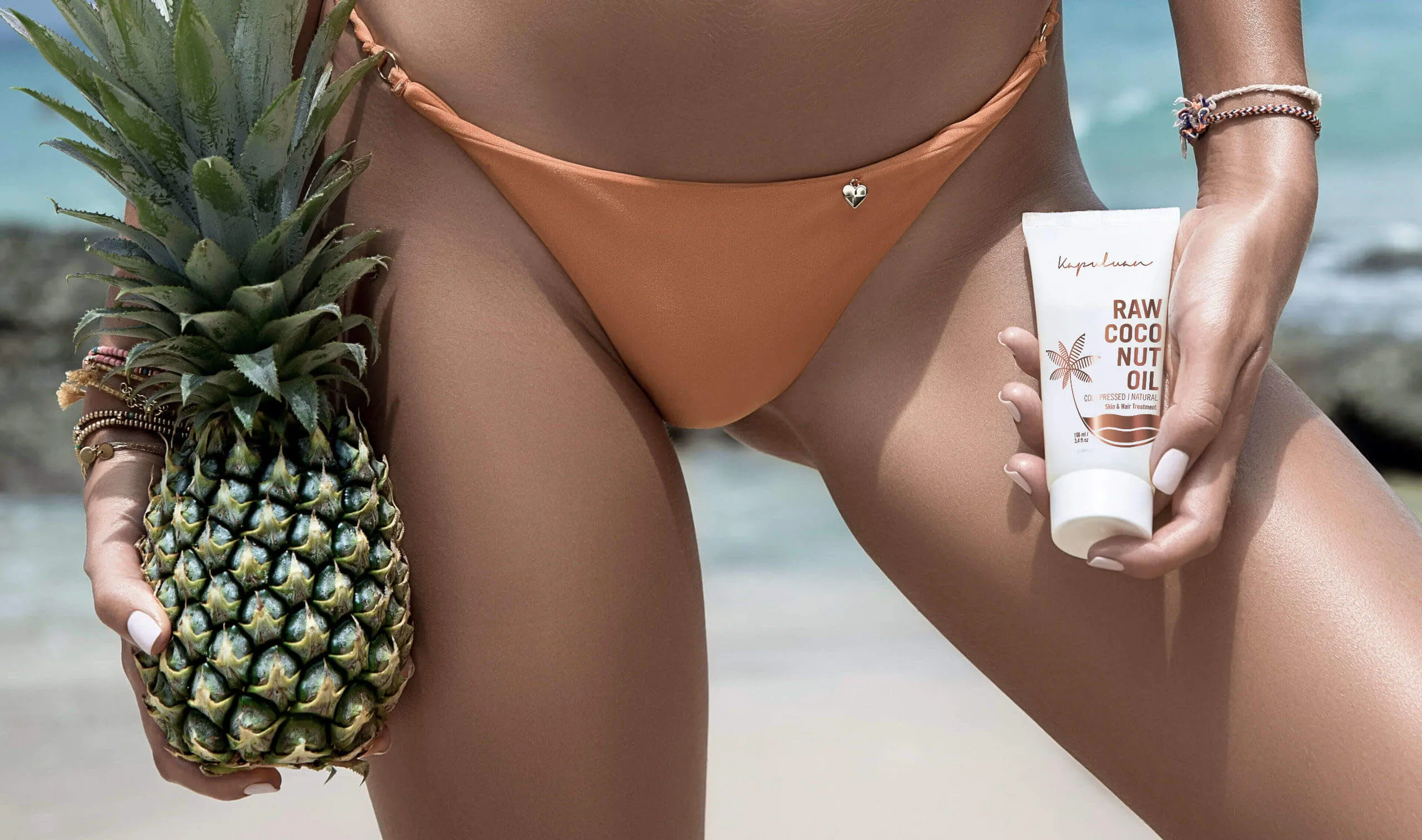
You’ve likely heard about several health perks linked to coconut oil. Research suggests it might support brain function, raise HDL (good) cholesterol, and even assist with weight management.
It’s also useful for skin in a variety of ways, which explains its popularity in many beauty and skincare formulations.
But is coconut oil a good choice for tanning? Can it give you a sun-kissed complexion without hazards or negative effects? Is it possible to tan with it safely? This article will address those questions.
The dangers of UV exposure
Too much sun exposure, particularly without any protection, can harm your skin, accelerate aging, and increase the risk of skin cancer.
According to the American Academy of Dermatology (AAD), skin cancer is the most prevalent cancer in the United States. Estimates suggest 1 in 5 Americans will develop skin cancer during their lifetime.
The AAD also notes that melanoma, the deadliest form of skin cancer, has surged by 800 percent among women aged 18 to 39. Exposure to ultraviolet light from the sun or tanning beds is the primary risk factor for most melanoma cases.
Because UV exposure is the most controllable risk factor for skin cancer, the AAD discourages tanning bed use and urges everyone to shield their skin from the sun’s damaging UV rays.
Does coconut oil offer UV protection?
A 2009 laboratory study reported that coconut oil had an approximate sun protection factor (SPF) of 8. However, this research was performed in vitro and not on living human skin.
It’s estimated that coconut oil only blocks roughly 20 percent of UV radiation. That level isn’t sufficient to shield your skin from both UVA and UVB rays, which can cause damage.
The AAD recommends sunscreen with an SPF of 30 or greater for adequate UV defense, and it should be reapplied every two hours.
If you rely solely on coconut oil with no other sun protection, your skin won’t receive the protection it needs, particularly during prolonged outdoor exposure. People with fair skin may find coconut oil even less effective at defending against UV damage.
What skin advantages does coconut oil provide?
Although coconut oil shouldn’t be trusted for sun protection or a “safe” tan, it can still offer several skin benefits.
Coconut oil is rich in medium-chain fatty acids, a type of saturated fat. These fatty acids act on the skin in various ways and can deliver multiple advantages.
Can moisturize the skin
In tropical regions, coconut oil has been used for generations as a moisturizer. A small 2018 trial found that participants with very dry skin experienced noticeable improvements in hydration after applying coconut oil for two weeks.
May reduce inflammation
A 2018 study proposed that coconut oil might possess anti-inflammatory effects, particularly for certain dermatologic conditions. Chronic inflammation is central to many skin disorders, such as psoriasis, eczema, and contact dermatitis.
A 2017 study reported that individuals using coconut oil experienced reduced inflammation following UVB exposure. Researchers theorize that the oil’s polyphenols and fatty acids could help lessen inflammation and improve the skin barrier.
Has antimicrobial qualities
Coconut oil can neutralize harmful microbes. Its lauric acid contains monolaurin, which disrupts the membranes of lipid-coated bacteria. Coconut oil may kill pathogens on the skin, including certain bacteria, viruses, and fungi.
May aid wound healing
Some research indicates coconut oil’s antimicrobial actions might speed wound healing.
In a 2010 animal study, virgin coconut oil accelerated healing, enhanced the skin’s antioxidant status, and boosted collagen production. Another animal study found that combining coconut oil with an antibiotic aided recovery from burn wounds.
How to keep your skin protected
- Use sunscreen. The AAD suggests SPF 30 or higher, which blocks about 97 percent of harmful UV rays. Apply sunscreen at least 15 minutes before sun exposure and reapply every two hours, or every hour when swimming or sweating.
- Cover up. When outdoors, choose protective clothing, broad-brimmed hats, and UV-blocking sunglasses, especially between 10 a.m. and 4 p.m.
- Seek shade. Remain in shaded spots when you can to reduce direct sun exposure.
- Avoid tanning beds. Tanning bed use before age 35 raises melanoma risk by 59 percent, and the danger grows with repeated use.
- Consider sunless self-tanners. Wait at least 12 hours after shaving before applying a self-tanner. Always use sunscreen when outdoors, even if the self-tanning product contains sunscreen ingredients.
The takeaway
While coconut oil can benefit skin health in several ways, it’s not recommended as a tanning aid. Although it offers some shielding from UV rays, it does not provide nearly enough protection to prevent sunburn or long-term skin harm.
A safer option for a bronzed look is a sunless self-tanning product. These are relatively affordable and can produce a healthy glow without subjecting your skin to UV damage.



















Leave a Reply
You must be logged in to post a comment.