
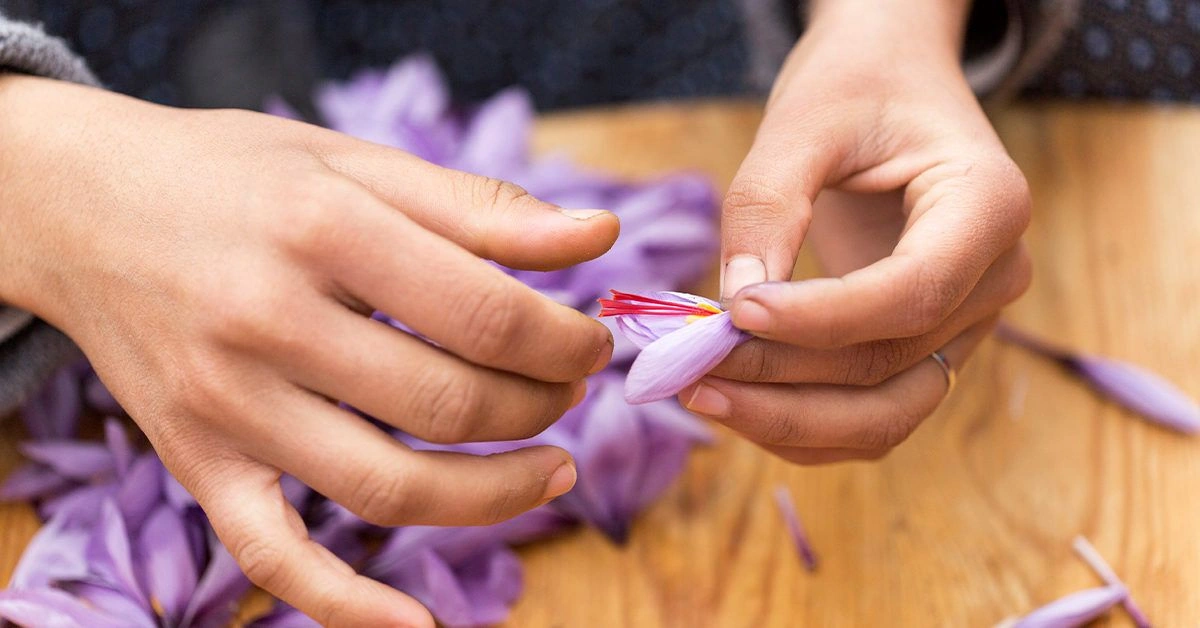
Saffron is a vivid reddish spice derived from the saffron crocus (Crocus sativus). It consists of the flower’s dried stigmas (the tips of the female reproductive part).
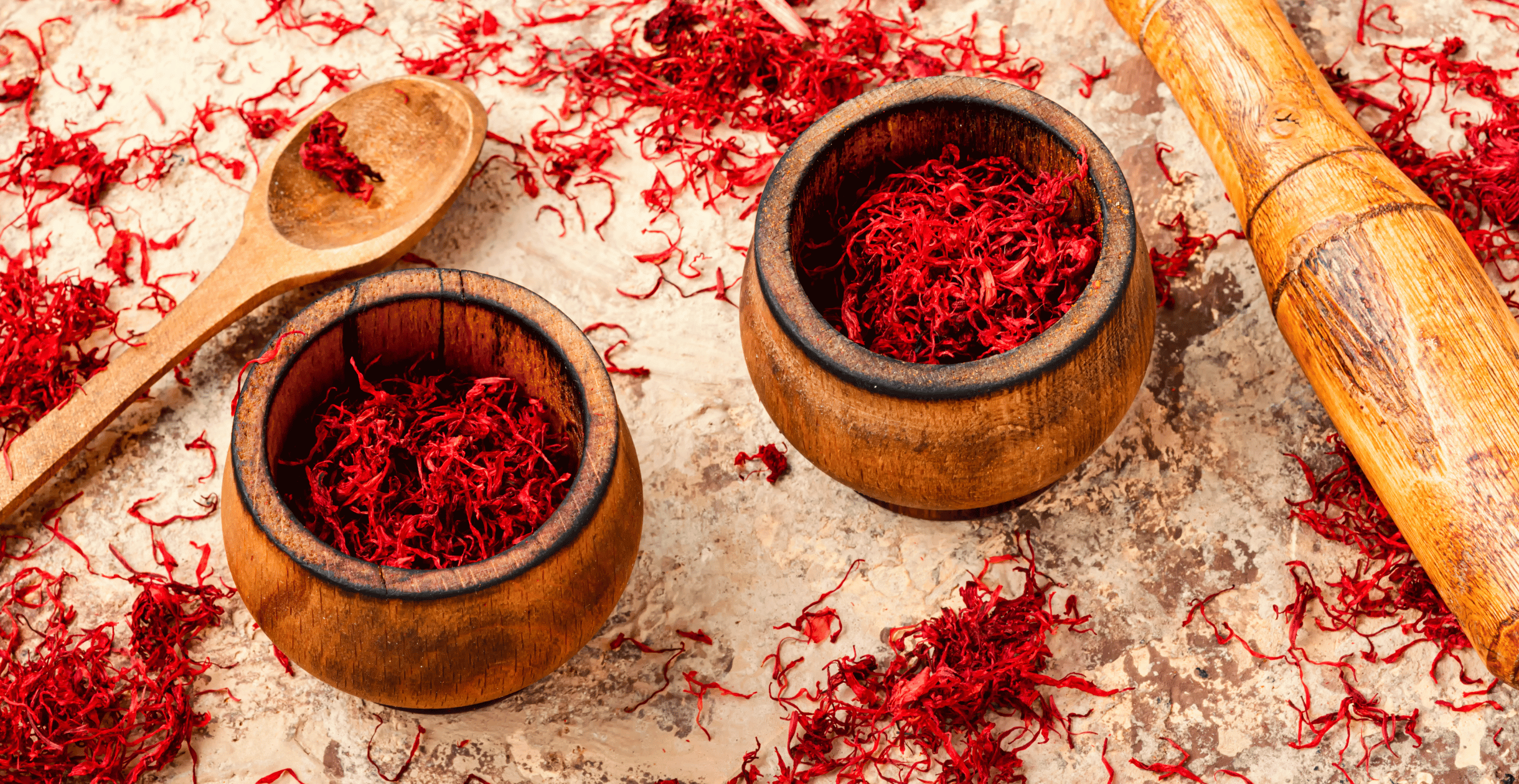
The plant likely originated in Greece, and today it’s cultivated in several countries, including Iran, Spain, and China. Historically, saffron has been used to add color and flavor to dishes. It has also been applied as a traditional remedy for issues such as back pain, wounds, and abscesses.
Saffron is a prized component in the beauty industry. Many people believe saffron can ease common skin problems, including inflammation and acne.
Some of those assertions are supported by research. Below we review the scientific evidence and explain ways to use saffron topically.
Established skin benefits of saffron
Saffron offers several skin-supportive properties. Here are the ways it may benefit your skin:
Guards against UV damage
Protecting skin from ultraviolet (UV) exposure is one of the most effective steps for maintaining skin health.
UV exposure increases free radical production and oxidative stress, leading to cellular damage and faster skin aging.
Crocin, a key compound in saffron, may provide protection. A 2018 laboratory study reported that crocin has strong antioxidant activity. Antioxidants counter oxidative stress by neutralizing free radicals.
The research also showed crocin defends against ultraviolet A (UVA) rays, which contribute to premature aging of the skin.
Another 2018 lab study indicated crocin is effective against ultraviolet B (UVB) radiation as well, which also plays a role in early skin aging.
Reduces inflammation
Inflammation — often driven by oxidative stress — underlies many disorders, including inflammatory skin conditions.
Crocin’s antioxidant action can help mitigate oxidative stress and inflammation. The 2018 lab study noted that crocin downregulates several inflammatory proteins.
Moreover, a 2018 animal study demonstrated that crocin improved atopic dermatitis in mice triggered by Dermatophagoides farinae (house dust mite) extract — a common cause of the condition in people.
Assists wound repair
Effective wound healing is essential for healthy skin, lowering the chance of complications like infection and scarring.
A 2008 animal study found that a cream containing saffron extract sped wound healing in mice. It promoted the proliferation of skin cells needed to close wounds; researchers attributed this to saffron’s antioxidant and anti-inflammatory effects.
A 2017 lab study likewise found that saffron encourages wound healing by stimulating cell division.
While more human studies are required, these findings suggest saffron may be helpful in wound repair.
Helps reduce hyperpigmentation
Hyperpigmentation happens when patches of skin become darker than surrounding areas due to excess melanin. It can result from scarring, sun exposure, or hormonal shifts.
A 2013 human study showed that saffron’s active constituents, including crocin, can lower melanin. They act by inhibiting tyrosinase, an enzyme critical for melanin synthesis.
Does saffron oil offer benefits?
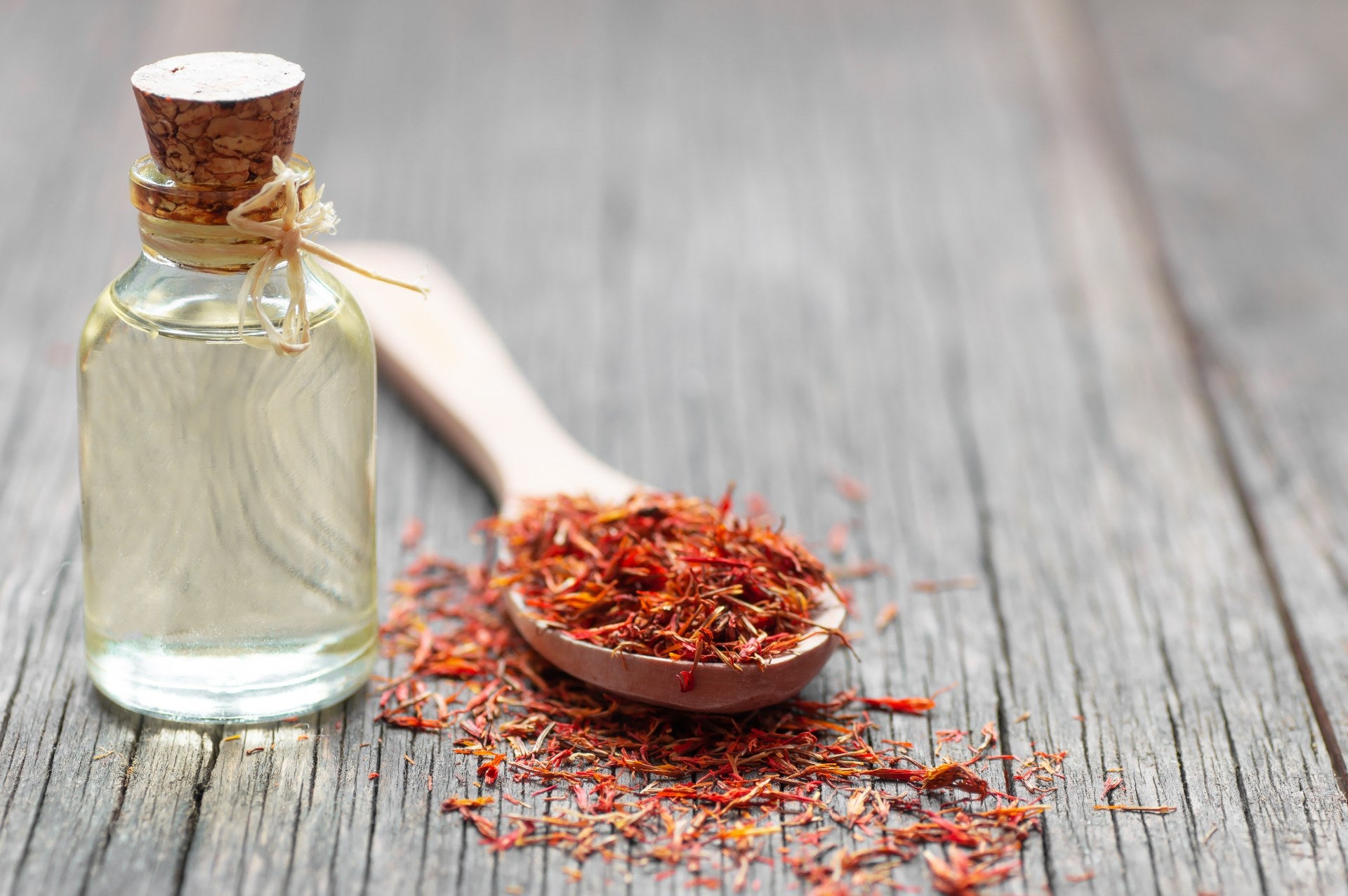
Saffron oil, like the dried spice, is sourced from the C. sativus flower. It’s produced by extracting compounds from the stigmas.
Saffron oil contains crocin, the compound behind saffron’s skin advantages. Therefore, saffron oil could also be beneficial for skin care.
Claims that lack strong evidence
Some skincare claims about saffron aren’t well supported. Saffron:
Does not hydrate the skin
It’s often asserted that saffron moisturizes skin.
A 2010 trial tested this by having one group use a lotion containing saffron and another group use a lotion without it.
Researchers observed no difference in skin hydration between groups, suggesting saffron doesn’t provide moisturizing effects.
Is not proven to treat acne
In theory, saffron’s anti-inflammatory and wound-repair properties could be helpful for acne.
However, there are no direct studies confirming this. A 2016 study showed saffron has antibacterial activity, but it focused on foodborne bacteria rather than acne-causing microbes.
Specific research is needed before saffron can be recommended as an acne treatment.
How to use saffron in skincare
If you want to try saffron topically, here are some practical methods.
Although saffron is usually tolerated well, it can still provoke allergic reactions. Discontinue use if you notice redness, irritation, or other allergic symptoms after applying any saffron preparation.
Saffron face mask
For a calming facial treatment, make a saffron mask. Pound 3 saffron strands with a mortar and pestle. Combine with 1 tbsp. of honey, apply to your face, leave for 10 minutes, then rinse and pat dry.
Saffron gel for the face
Saffron gel provides a cooling, anti-inflammatory effect. Crush 4–5 strands of saffron, mix with 2 tbsp. aloe vera gel and 2 tbsp. rose water. Apply a small amount to the skin and massage until absorbed.
Saffron-infused face toner
Witch hazel and rose water are excellent toners, and you can infuse them with saffron for extra benefits.
Pour 1/2 cup witch hazel or rose water into a spray bottle. Add 3–4 saffron strands and steep for 1–2 days. Mist onto skin or apply with a cotton pad.
Saffron oil moisturizer
You can add saffron oil to carrier oils to make a moisturizer. Fill a 1-ounce bottle about two-thirds full with a carrier oil such as almond or grapeseed oil. Add 3–5 drops of saffron essential oil and apply with clean fingers.
Safety and possible side effects
Saffron is generally safe for most people and isn’t commonly linked to adverse effects.
Still, like any botanical product, saffron can provoke allergies. A 2015 study reported contact dermatitis among saffron workers in India caused by exposure to saffron.
A 2007 study also indicated saffron pollen may trigger allergic reactions affecting the skin or respiratory tract.
Symptoms of an allergic response can include:
- sneezing
- runny nose
- itchy, red eyes
- dry skin
- rash with redness and swelling
- itching or burning of the skin
- hives
Avoid using saffron in any form if you are pregnant. A 2014 study indicates saffron may stimulate uterine contractions, potentially increasing the miscarriage risk.
Where to buy saffron and saffron skincare
You can purchase dried saffron or saffron-based skincare products at:
- health food stores
- supermarkets
- spice merchants
- herbal stores
- apothecaries
Shop for saffron skin care products online.
Bottom line
Saffron can be a useful addition to skincare routines. Its active compounds appear to combat inflammation, hyperpigmentation, and UV-induced damage — all contributors to premature skin aging.
Exercise caution if you’ve never used saffron before: perform a patch test to check for allergic reactions, and avoid saffron while pregnant.
You can incorporate saffron into DIY masks, toners, and moisturizers, or purchase saffron skincare items from specialty shops and health markets.















Leave a Reply
You must be logged in to post a comment.