

There’s still a lot of unknown territory when it comes to the menstrual cycle, and post-menstrual syndrome is one such area that needs more attention.
Most people have heard of premenstrual syndrome (PMS) — the unpleasant symptoms that often occur in the week leading up to a period — but its less-known counterpart that happens after a period can be confusing for many.
Whether you’re unfamiliar with post-menstrual syndrome or want to learn more, here’s a comprehensive look at this relatively obscure menstrual issue.
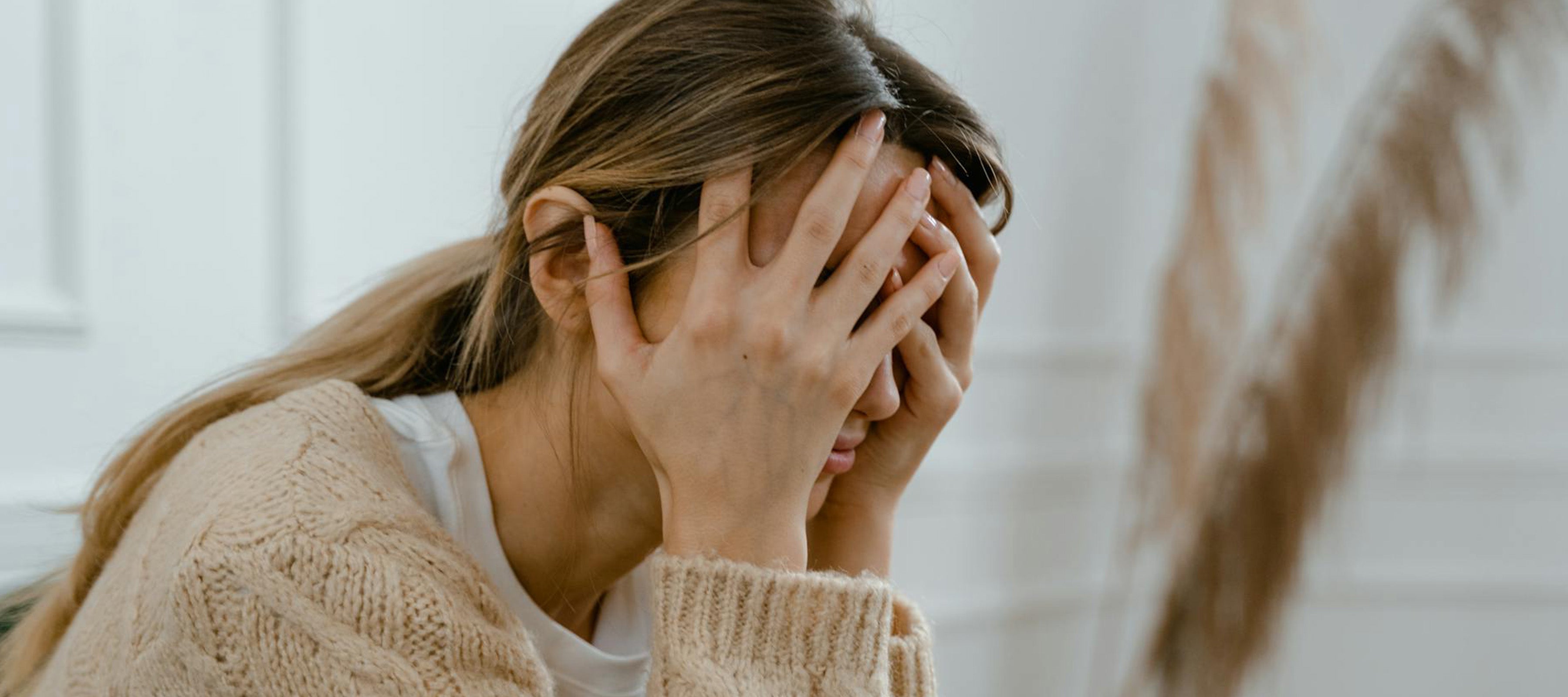
What is it?
Post-menstrual syndrome refers to symptoms that arise after a person’s period has concluded.
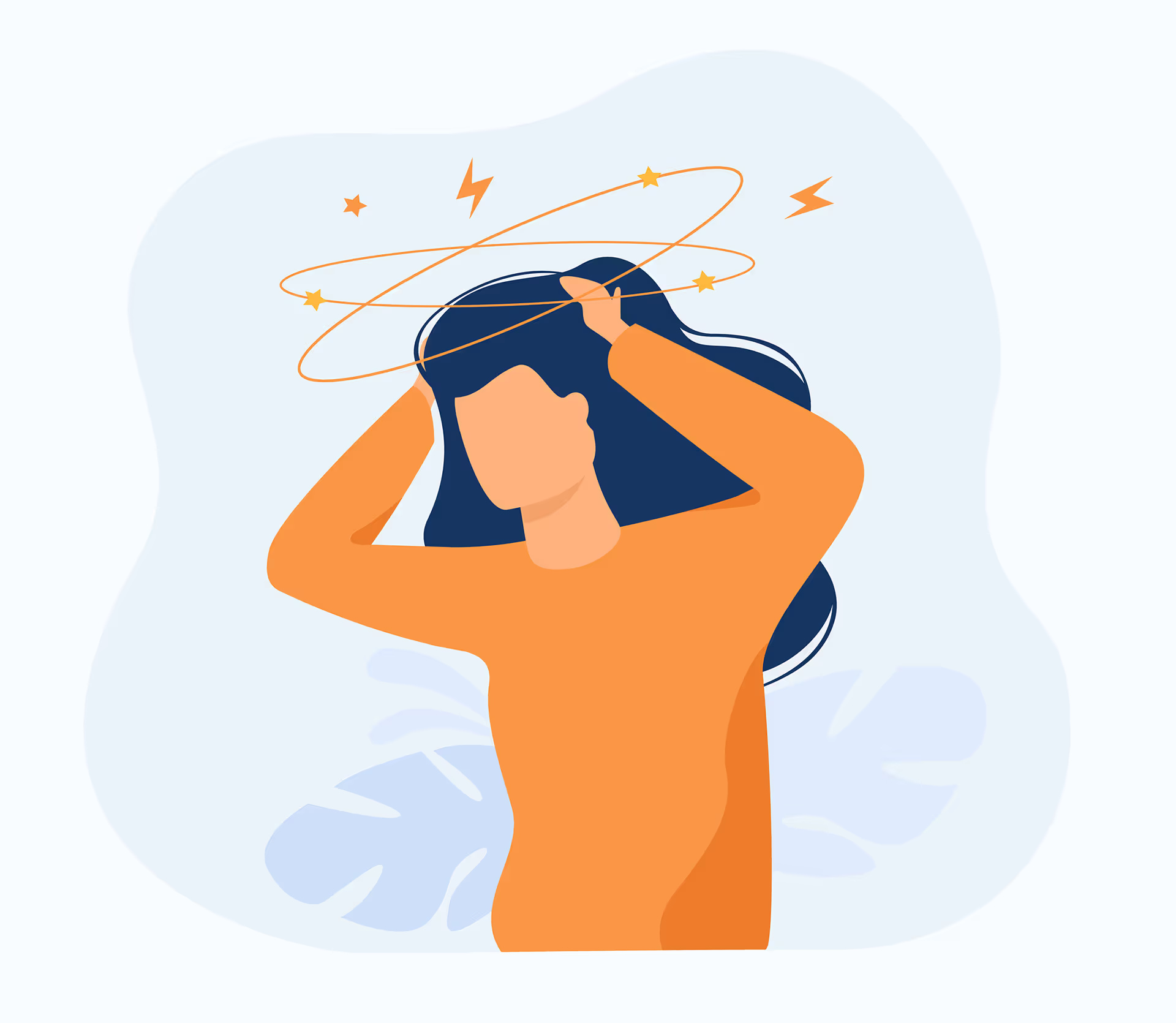
These symptoms can be physical, like headaches, or emotional, like heightened anxiety.
So it’s not just another name for PMS?
No. While post-menstrual syndrome shares some symptoms with PMS, the timing is what sets them apart: post-menstrual symptoms appear after menstruation, whereas PMS occurs in the days before a period.
Additionally, the post-menstrual form tends to be linked to more pronounced psychological symptoms compared with typical PMS.
Why haven’t I heard of it before?
A major reason this condition is not widely known is that it isn’t formally recognized in mainstream medicine.
There isn’t an established medical term for these post-period symptoms, and scientific research on the phenomenon is limited.
The label “post-menstrual syndrome” has largely emerged as a practical way for people to describe their experiences, based mostly on anecdotal reports.
That doesn’t negate its existence — it simply reflects a shortage of rigorous study into the condition.
What causes it?
Hormonal fluctuations are a leading hypothesis for the origins of post-menstrual symptoms (hormone shifts are also implicated in some cases of PMS).
“The cause [of the syndrome] is thought to be due to a surge of hormones, including estrogen and testosterone,” says Dr. Soma Mandal, a board-certified internist and women’s health specialist at Summit Medical Group in New Jersey.
She notes this pattern is “unlike with PMS, where the progesterone decreases.”
More study is necessary to confirm this explanation.
Mandal explains this hormonal spike “occurs with anovulatory cycles (where ovulation did not occur).”
Those with polycystic ovary syndrome (PCOS), users of certain contraceptive implants, or people with insulin resistance might experience such cycles.
“Insulin plays a big role,” Mandal adds. “It can influence how other hormones — estrogen, progesterone, and testosterone — behave.”
Diet may also contribute. A diet high in sugar and processed foods can elevate blood glucose, putting the body under “more oxidative stress,” Mandal says.
“This can, in turn, disrupt other hormones and lead to menstrual irregularities and the symptoms associated with post-menstrual syndrome.”
Does everyone who menstruates experience it?
Not everyone who menstruates will have symptoms either before or after their period.
Post-menstrual symptoms are thought to be less common than premenstrual ones.
As much as 90 percent of people who menstruate report some premenstrual symptoms, according to a recent study, and 20 to 40 percent meet criteria for PMS.
Holistic health coach Nicole Jardim estimates that roughly 10 percent of clients who see her report difficulties after their period.
What are the symptoms?
Symptoms of post-menstrual syndrome fall into two main groups: physical and psychological.
Psychological complaints are reported more frequently than physical ones.
These may include mood swings and anxiety, and manifest as irritability, anger, or tearfulness.
In more severe instances, people can experience depression, sleep disturbances, trouble concentrating, or coordination issues.There’s still a lot of unknown territory when it comes to the menstrual cycle, and post-menstrual syndrome is one such area that needs more attention.
Most people have heard of premenstrual syndrome (PMS) — the unpleasant symptoms that often occur in the week leading up to a period — but its less-known counterpart that happens after a period can be confusing for many.
Whether you’re unfamiliar with post-menstrual syndrome or want to learn more, here’s a comprehensive look at this relatively obscure menstrual issue.
What is it?
Post-menstrual syndrome refers to symptoms that arise after a person’s period has concluded.
These symptoms can be physical, like headaches, or emotional, like heightened anxiety.
So it’s not just another name for PMS?
No. While post-menstrual syndrome shares some symptoms with PMS, the timing is what sets them apart: post-menstrual symptoms appear after menstruation, whereas PMS occurs in the days before a period.
Additionally, the post-menstrual form tends to be linked to more pronounced psychological symptoms compared with typical PMS.
Why haven’t I heard of it before?
A major reason this condition is not widely known is that it isn’t formally recognized in mainstream medicine.
There isn’t an established medical term for these post-period symptoms, and scientific research on the phenomenon is limited.
The label “post-menstrual syndrome” has largely emerged as a practical way for people to describe their experiences, based mostly on anecdotal reports.
That doesn’t negate its existence — it simply reflects a shortage of rigorous study into the condition.
What causes it?
Hormonal fluctuations are a leading hypothesis for the origins of post-menstrual symptoms (hormone shifts are also implicated in some cases of PMS).
“The cause [of the syndrome] is thought to be due to a surge of hormones, including estrogen and testosterone,” says Dr. Soma Mandal, a board-certified internist and women’s health specialist at Summit Medical Group in New Jersey.
She notes this pattern is “unlike with PMS, where the progesterone decreases.”
More study is necessary to confirm this explanation.
Mandal explains this hormonal spike “occurs with anovulatory cycles (where ovulation did not occur).”
Those with polycystic ovary syndrome (PCOS), users of certain contraceptive implants, or people with insulin resistance might experience such cycles.
“Insulin plays a big role,” Mandal adds. “It can influence how other hormones — estrogen, progesterone, and testosterone — behave.”
Diet may also contribute. A diet high in sugar and processed foods can elevate blood glucose, putting the body under “more oxidative stress,” Mandal says.
“This can, in turn, disrupt other hormones and lead to menstrual irregularities and the symptoms associated with post-menstrual syndrome.”
Does everyone who menstruates experience it?
Not everyone who menstruates will have symptoms either before or after their period.
Post-menstrual symptoms are thought to be less common than premenstrual ones.
As much as 90 percent of people who menstruate report some premenstrual symptoms, according to a recent study, and 20 to 40 percent meet criteria for PMS.
Holistic health coach Nicole Jardim estimates that roughly 10 percent of clients who see her report difficulties after their period.
What are the symptoms?
Symptoms of post-menstrual syndrome fall into two main groups: physical and psychological.
Psychological complaints are reported more frequently than physical ones.
These may include mood swings and anxiety, and manifest as irritability, anger, or tearfulness.
In more severe instances, people can experience depression, sleep disturbances, trouble concentrating, or coordination issues.
Pain is a common physical symptom, appearing as abdominal, joint, back, or neck pain, headaches, or discomfort during sex.
Vaginal symptoms such as dryness, itching, or burning may also occur.
Cramps can happen, though post-period cramps can sometimes signal an underlying condition like endometriosis.
How long do they last?
Post-menstrual symptoms usually persist for a few days.
In certain cases, people may notice symptoms lasting up to two weeks after their period ends.
What can you do to find relief?
Approaches used to manage PMS may also ease post-menstrual symptoms.
Work on reducing daily stress, prioritize sufficient sleep, and maintain regular physical activity.
Enhance your self-care with calming practices such as massage, yoga, or using essential oils.
Regarding nutrition, Mandal suggests moderating salt and caffeine and eating a balanced diet rich in fruits, vegetables, fish, and whole grains.
Supplements can be useful. “Iron levels naturally drop after a menstrual cycle, and even a slight decrease can lead to body aches, fatigue, irritability, and brain fog,” Mandal says.
Have your iron measured by a doctor and raise it through iron-rich foods — like red meat, shellfish, and legumes — or with a daily iron supplement if needed.
Mandal also recommends B-complex and vitamin E to help with fatigue and bloating.
She points out that magnesium — present in dark chocolate, nuts, seeds, and avocados — “can assist with mood-related symptoms.”
Low magnesium intake has been linked to depression in people under 65.
Magnesium supplements have shown benefit for mild to moderate depression in a 2017 study.
Some people also find it helpful to be aware of hot flashes during period and how those symptoms interact with their overall cycle and symptom pattern.
At what point should you see a doctor?
If you’re concerned about menstrual irregularities, schedule an appointment with your healthcare provider.
Keeping a symptom diary can be valuable for identifying patterns and helping your clinician understand your experience.
Do the same symptoms recur at the end of each cycle, or are they sporadic?
Record aspects of your daily life such as diet, caffeine intake, and exercise levels.
This information helps your doctor rule out underlying conditions and tailor an appropriate treatment plan.
Are any clinical treatments available?
There’s currently no specific, widely accepted treatment for post-menstrual syndrome.
However, targeted clinical treatments can alleviate particular symptoms.
For example, cognitive behavioral therapy or antidepressant medication may be used for depression.
Hormonal contraceptives that suppress ovulation can sometimes stabilize mood and reduce some pain.
A clinician will also evaluate whether an underlying issue like PCOS is driving symptoms, and recommend medications or therapies based on that diagnosis.
The bottom line
Post-menstrual syndrome remains under-researched, but it’s important to bring up any menstrual concerns with a healthcare professional.
Working with your doctor, you can explore ways to manage symptoms and adapt to changes associated with your cycle.



















Leave a Reply
You must be logged in to post a comment.