

A well-rounded diet combined with regular cardiovascular activity can help decrease body fat in the face and cheeks. Certain facial movements may also strengthen and tone the muscles of the face.
If you want to trim fat from your cheeks, neck, or double chin, you’re in good company.
Numerous slimming bands and gadgets claim to accelerate facial fat loss, yet few studies back those assertions.
Losing fat generally involves lasting adjustments to your eating habits and lifestyle.
Below are eight practical approaches to help reduce unwanted facial fat and create a slimmer-looking face, plus tips to help prevent fat regain over time.
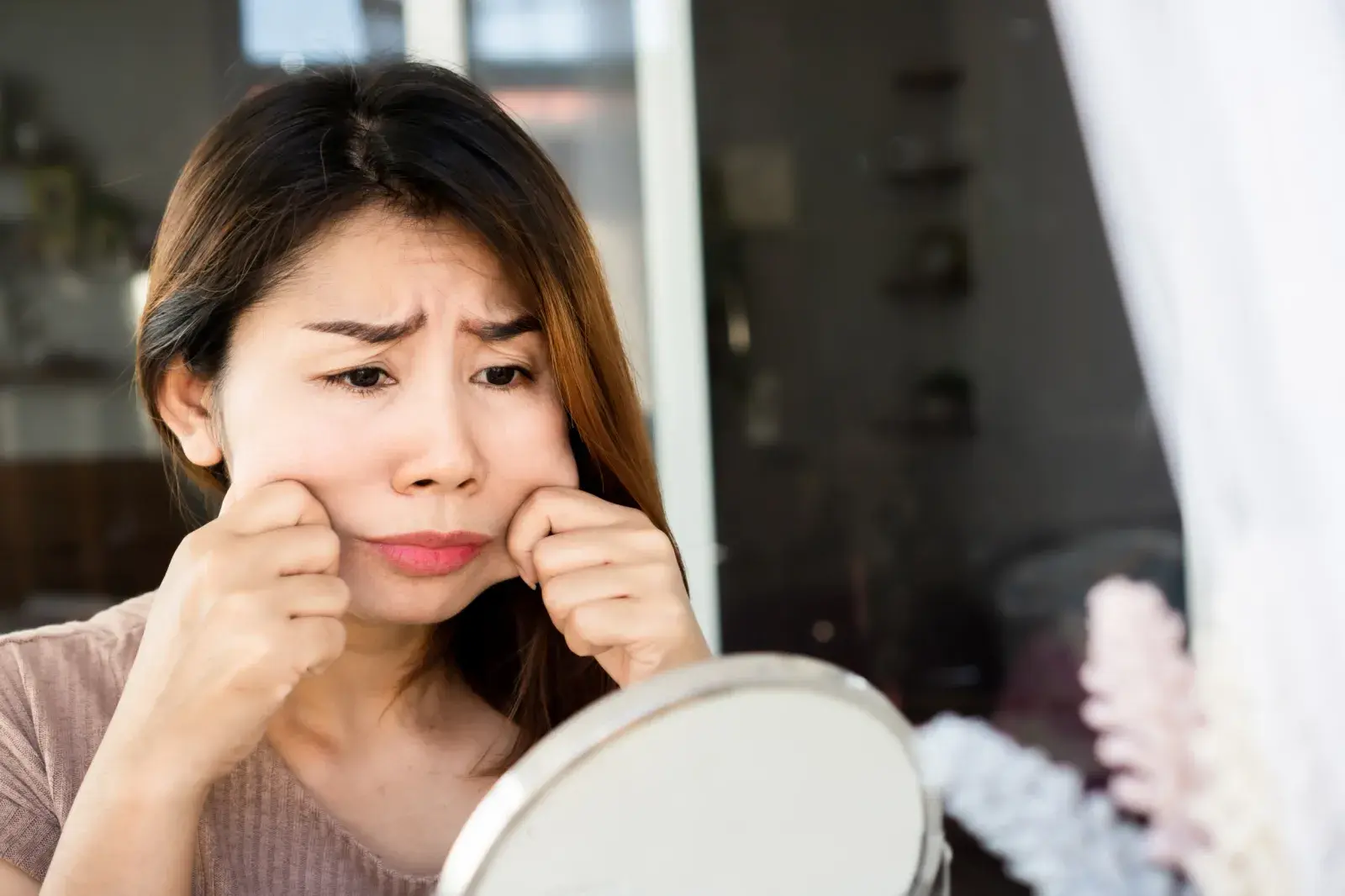
Can you lose fat from just your face?
Aiming to reduce fat in one particular area is called spot reduction.
Although fitness marketing often promotes the idea that you can target facial fat specifically, evidence for spot reduction is scant.
That’s likely because fat cells are stored throughout the body and can be broken down and used for energy during exercise. Those fat stores may come from any region of your body, not only the area you’re working on.
Focusing on total-body fat loss is generally the most realistic and sustainable way to reduce facial fat.
1. Do facial exercises
Exercises for the face might help enhance facial appearance, combat signs of aging, and build muscle strength.
A 2021 review reported that facial exercises can tone facial muscles, increase cheek fullness, and support facial rejuvenation. These changes may contribute to a leaner-looking face.
Still, research directly examining how effective facial exercises are for reducing fat is limited. More investigation is necessary to determine how these movements influence facial fat specifically.
Common facial exercises include:
- inflating your cheeks and moving the air from one side to the other
- alternately puckering your lips to each side
- holding a smile while pressing your teeth together for several seconds
2. Add cardio to your routine
Cardiovascular, or aerobic, activity refers to any movement that elevates your heart rate.
A 2023 study of 60 women looked at the effects of a 12-week aerobic program on body composition.
After 12 weeks, participants who followed the aerobic regimen saw notable reductions in body fat percentage, body weight, and waist size, while gaining lean muscle mass.
2022 research also indicates that aerobic exercise is more effective when combined with resistance training and a balanced diet.
The Centers for Disease Control and Prevention (CDC) advises adults to get at least 150 minutes per week of moderate-intensity aerobic activity plus two days of strength training.
Examples of cardio activities include:
- running
- dancing
- walking
- cycling
- swimming
3. Drink more water
Staying well-hydrated is essential for general health and may support efforts to reduce facial fat.
A 2019 review found that three water-related strategies were associated with an average 5.15% weight loss after 12 weeks:
- increasing overall water intake during the day
- substituting calorie-containing beverages with water
- drinking water before meals
The reviewers noted that replacing caloric drinks with water produced the strongest effect, but more research is needed to fully understand water’s role in fat loss.
A small 2018 study found that drinking water before eating reduced the number of calories consumed at that meal. Consuming fewer calories across the day can help you maintain a calorie deficit, which is key to losing fat.
4. Limit alcohol consumption
An occasional drink is usually fine, but 2022 research indicates that heavy alcohol use can promote weight and fat gain.
Alcohol largely provides “empty calories” — high in energy but poor in vitamins and minerals.
It’s also a diuretic, which increases urine output and can lead to dehydration and fluid imbalance.
Reducing alcohol intake may help prevent alcohol-related bloating and weight gain. The CDC defines moderate drinking as up to two drinks a day for men and up to one drink a day for women.
5. Cut back on refined carbs
Products rich in refined carbohydrates — like cookies, crackers, and some pastas — are frequent contributors to weight gain and extra fat storage.
Refined carbs undergo extensive processing that removes beneficial nutrients, leaving mostly sugars and calories.
No direct studies link refined carbs specifically to facial fat, but 2021 research found that whole grains were less likely than refined grains to increase waist size, body fat, and certain metabolic markers over four years.
Swapping refined carbs for whole grains may support overall weight loss, which can in turn reduce facial fat.
Try replacing refined options with whole-grain choices like oatmeal, brown rice, and quinoa.
6. Get enough sleep
Sufficient sleep likely plays a significant role in overall fat loss.
Experts note that sleep deprivation can promote weight gain and fat storage through mechanisms such as:
- altering hormones that regulate hunger, including cortisol, leptin, and ghrelin
- reducing sensations of fullness
- increasing the tendency to snack and consume extra calories
- lowering metabolic rate and fat burning
Lack of sleep can also make it harder to maintain weight loss.
The CDC recommends that adults aim for at least 7 hours of quality sleep per night to support weight control.
Learn more about sleep and weight loss.
7. Watch your sodium intake
Table salt is a primary source of sodium for many people. While you might add it at the table, over 75% of dietary sodium actually comes from processed foods.
A common sign of overeating sodium is fluid retention (edema), which occurs because sodium causes the body to retain extra water.
Edema typically causes puffiness in the ankles, arms, and legs, but it can also lead to a bloated appearance in the face.
Choosing whole foods instead of convenience items, salty snacks, and processed meats can lower sodium intake and may help your face look less puffy.
Learn more about reducing fluid retention.
8. Eat more fiber
Increasing fiber intake is commonly advised for weight management and may help with reducing facial fat indirectly.
Fiber is a component of plant foods that your body doesn’t absorb; it moves slowly through the digestive tract, helping you feel full for longer and potentially curbing appetite.
A 2020 review of 62 studies found that increasing soluble fiber intake may reduce body weight and waist circumference, even without intentionally cutting calories.
The Dietary Guidelines for Americans recommend about 28 to 34 grams of fiber per day for adults.
Fiber-rich foods include:
- fruits
- vegetables
- nuts
- seeds
- whole grains
- legumes
The bottom line
Several habits can help you lower total body fat, which often reduces fat in the face.
Adjusting your diet, incorporating exercise, and tweaking daily routines are effective ways to promote fat loss.
If excess facial fat remains a concern, consult a healthcare provider who can discuss additional treatment options.



















Leave a Reply
You must be logged in to post a comment.