

Cavities, also known as tooth decay, develop from frequent consumption of sugary foods and beverages, inconsistent brushing or flossing, and an excess of bacteria in the mouth.
These permanently harmed regions can lead to:
- visible pits or holes in a tooth
- brown or black discoloration
- sensitivity to hot or cold
- sharp, stabbing pain
A dental filling restores portions of a damaged tooth and helps stop further decay. Although fillings are typically long-lasting, dentists sometimes use a temporary filling as an initial measure.
Read on to learn about temporary fillings, their expected lifespan, and how they’re placed.
What is a temporary filling?
A temporary filling is exactly that — a short-term restoration for a compromised tooth. These fillings aren’t intended to be permanent, so you’ll need a follow-up visit with your dentist to exchange the temporary material for a lasting restoration.
When are temporary fillings applied?
Dentists place temporary fillings in particular situations. Installing a temporary filling is often quicker than placing a permanent one. If a cavity causes intense, acute pain and your dentist can’t complete a permanent filling immediately, a temporary filling may be used as an emergency remedy.
Temporary cap for crowns
Your dentist may also fit a temporary crown if a deep cavity requires a crown (a cap that covers the tooth). The temporary covering protects the tooth while the permanent crown is being made.
Temporary seal after endodontic treatment
A severely decayed tooth may need a root canal to remove infection from inside the tooth and preserve it. A temporary filling following a root canal seals the access hole, preventing food particles and bacteria from entering and causing new issues.
Once the root canal area has healed, the dentist will replace the temporary filling with a permanent restoration.
Temporary medicated filling to calm irritated nerves
If a tooth is highly sensitive, a dentist may place a temporary medicated filling to soothe the nerve and give the tooth time to heal before a permanent filling is placed.
Your dentist will reassess the tooth at a later appointment to confirm the pain has resolved and to determine whether additional care, such as a root canal, is needed.
What materials are temporary fillings made from?
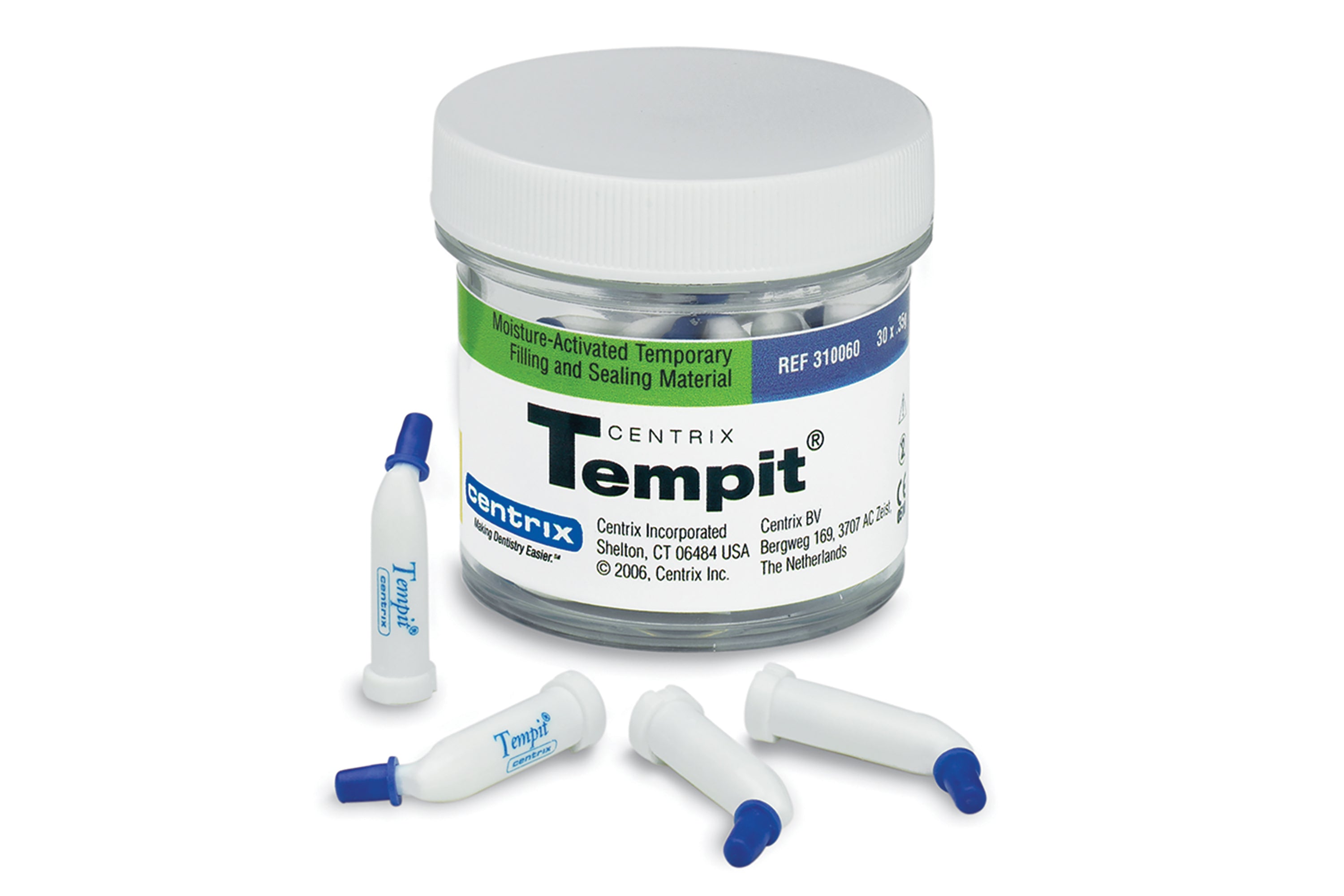
Because temporary fillings are not meant for long-term use, they’re made from softer, more easily removable materials. Some harden on contact with saliva. Materials used for temporary fillings can include:
- zinc oxide eugenol
- Cavit
- zinc phosphate cement
- glass ionomer
- intermediate restorative materials
Permanent fillings are often color-matched to the natural tooth, while temporary fillings usually differ in shade. This contrast helps your dentist identify and remove the temporary material when placing the final filling.
Temporary fillings may appear bright white, whitish-gray, or white with a blue or pink tint.
How long will a temporary filling last?
Temporary or semi-permanent fillings break down gradually over time. Due to their softer composition, they may crack or fall out if not replaced.
The lifespan of a temporary filling varies by individual and material, but they typically last from a few weeks to several months. Ask your dentist how long your specific temporary filling is expected to last and when you should return for the permanent restoration.
What is the process for placing a temporary filling?
Placing a temporary filling usually takes less time than a permanent one, often under 30 minutes.
- First, your dentist numbs the tooth, gums, and surrounding area with a local anesthetic.
- Next, the dentist removes the decay using a drill, and if needed, performs a root canal or another dental procedure.
- The dentist mixes the temporary filling material and packs it into the cavity, ensuring it reaches all parts of the tooth. The filling is built up until the cavity is filled.
- Finally, any excess material is smoothed and the tooth is shaped.

When a temporary filling is used as part of crown preparation, additional steps involve shaping the tooth for the permanent crown and fabricating a temporary cap.
How should you care for a temporary filling?
Temporary fillings aren’t as robust as permanent ones, so you’ll need to protect the filling until your follow-up appointment.
Your dentist will give specific precautions. You may be advised to avoid chewing on that side of your mouth for a few hours after the visit so the temporary material can set.
They may also recommend avoiding chewing on that side altogether until the permanent filling is placed. Chewing hard foods — candy, nuts, or ice — can fracture or dislodge the temporary filling depending on the material used.
Be gentle when brushing and flossing to prevent disturbing the filling. When flossing near the treated tooth, pull the floss out to the side rather than lifting upward to avoid catching the temporary material and pulling it out.
Also try to limit touching the filling with your tongue, as constant contact can loosen it.
Are there any side effects from a temporary filling?
When it’s time to remove a temporary filling, your dentist may numb the area again to use a drill or other tools to extract the material.
This removal usually doesn’t cause pain, and temporary fillings are generally easier to take out. You may experience some brief sensitivity afterward, which is normal and short-lived.
If you don’t return for the permanent filling, the temporary material will wear down, exposing the cavity and potentially allowing infection if bacteria enter the space.
There is a small chance of an allergic reaction to temporary filling materials. Allergic responses are rare, but signs include swelling inside the mouth or a rash and itching around the treated area.
Takeaway
A temporary filling provides effective protection for a damaged tooth while you await a permanent restoration.
Because temporary fillings aren’t designed to last, be sure to book a follow-up appointment with your dentist to have a permanent filling placed, which will better protect the tooth from further decay and infection.






















Leave a Reply
You must be logged in to post a comment.