

Coconut oil remains celebrated for its health-enhancing qualities — and for good reason.
Beyond its widely known benefits for skin and hair, coconut oil has a long history of use for improving oral health.
Specifically, it has featured in Ayurvedic traditions to clean and brighten teeth, lessen halitosis (bad breath), and support healthier gums.
This piece examines current studies on coconut oil and the ways it may help your teeth.

What is coconut oil?
Coconut oil is an edible fat derived from the white flesh of coconuts and stands among the richest plant-based sources of saturated fat (1).
The predominant fatty acid in coconut oil is lauric acid — a 12-carbon (C12) medium-chain triglyceride (MCT) — which comprises roughly half of the oil. It also contains smaller portions of palmitic (C16) and myristic (C14) acids (1).
Notably, the fatty acids in coconut oil have been linked to antibacterial actions that could benefit oral health. Lauric acid and monolaurin (a monoglyceride derivative of lauric acid) are credited with antimicrobial effects (1, 2, 3).
Historically, Ayurvedic practitioners have used coconut oil as an antimicrobial agent to promote dental hygiene via “oil pulling,” a technique thought to remove bacteria responsible for cavities and bad breath (4).
Coconut oil is readily available in supermarkets and online. Many prefer extra-virgin varieties for their milder taste and minimal processing.
Summary: Coconuts yield an edible oil rich in lauric acid, which may possess antimicrobial qualities that help support oral health.
Coconut oil and oral health
Oil pulling involves swishing coconut oil around the mouth and across teeth. Although further research is warranted, the practice may help maintain the health of teeth, gums, and the oral cavity.
Besides potential antimicrobial activity, swishing oil is thought to create a saponification-like — or cleansing — effect that may reduce bacterial and plaque adhesion on tooth surfaces (5).
It may remove harmful mouth bacteria
Coconut oil might help neutralize harmful oral microbes that contribute to bad breath, cavities, and gum disease (4, 6).
It appears particularly effective against Streptococcus mutans (S. mutans), a primary agent of tooth decay, and may also lower levels of Candida albicans (5, 7).
In one randomized trial with 60 subjects, oil pulling using 10 milliliters of coconut oil daily for two weeks markedly reduced S. mutans, with effects comparable to chlorhexidine, a common antiseptic in mouthwashes (8).
Another study of 50 children aged 8–12 reported a significant decrease in S. mutans after daily 2–3 minute coconut oil pulling for 30 days, yielding results similar to a chlorhexidine control group (9).
However, a 2020 review indicates the need for larger, better-powered randomized trials to clarify oil pulling’s role in reducing oral bacteria (10).
It may reduce plaque and fight gum disease
Gingivitis, or gum inflammation, is primarily driven by plaque buildup from harmful oral bacteria and is linked to inadequate oral hygiene (11).
Evidence indicates coconut oil might help lower plaque accumulation and reduce inflammation associated with gum disease.
In a pilot study, daily coconut oil pulling for 30 days significantly reduced plaque and signs of gingivitis in 60 participants with plaque-induced gum disease (12).
After a month, average plaque scores fell by 68% and gingivitis scores dropped by 56%, though the study had no control group (12).
Another pilot trial reported notable decreases in plaque index and bleeding-on-probing after daily 20-minute oil pulling for 30 days (13).
A separate 7-day randomized study also found improvements following 10 minutes of daily coconut oil pulling, but the mineral water rinse control group achieved similar outcomes, implying routine rinsing may largely account for plaque reduction (14).
While these findings are promising, more extensive randomized controlled trials are required.
It may prevent bad breath
Halitosis (bad breath) is common. Although certain diseases and medications can worsen it, up to 85% of cases stem from poor oral hygiene and oral conditions (15).
Factors such as gingivitis, cavities, tongue coating, food particles, and bacterial overgrowth contribute to unpleasant mouth odor (15).
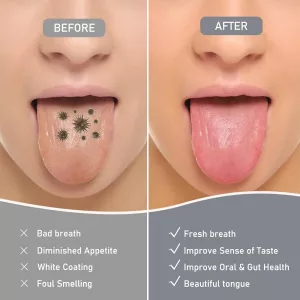
If bad breath is a concern, coconut oil pulling may help. Its antimicrobial qualities can target odor-producing bacteria and may also help clear food debris from teeth, cheeks, and the tongue (16).
A randomized pilot study reported significant improvements in breath scores with sesame oil pulling. Because coconut oil shares similar saponification and antimicrobial traits with sesame oil, comparable benefits might be expected (17, 18).
Nonetheless, randomized controlled trials focused specifically on coconut oil are necessary.
Summary: Coconut oil’s antibacterial effects may lower harmful oral microbes that cause cavities, plaque, and bad breath. More research is still required.
How to oil pull with coconut oil
Although oil pulling has recently gained popularity, it is an ancient practice that originated in India centuries ago.
Oil pulling involves swishing oil in the mouth for 15–20 minutes then spitting it out — essentially using oil as a mouthwash.
Follow these steps:
- Place one tablespoon of coconut oil in your mouth.
- Swish it for 15–20 minutes, drawing it between teeth and around the mouth.
- Spit the oil into the trash (not down the sink to avoid clogging).
- Brush your teeth afterward.
The oil’s fatty acids bind and trap bacteria, so each session helps remove harmful microbes and plaque.
It’s recommended to do oil pulling first thing in the morning before eating or drinking.
For more details on how oil pulling can support oral health, see the linked resources above.
Summary: Oil pulling means swishing oil in the mouth for 15–20 minutes and spitting it out. The practice helps remove bacteria and plaque.
Oral hygiene tips
While coconut oil pulling can be a helpful adjunct to oral care, it should not replace established dental hygiene routines.
The best approach to oral health remains brushing and flossing twice daily with fluoride toothpaste. Also clean your tongue and inner cheeks using your toothbrush or a tongue scraper.
Other healthy habits include staying hydrated, limiting sugary drinks and snacks, avoiding tobacco, eating a balanced diet, and visiting your dentist regularly.
Summary: Coconut oil may support oral health, but it’s not a substitute for core oral hygiene practices like brushing and flossing twice daily, using fluoride toothpaste, eating well, and avoiding smoking.
The bottom line
Coconut oil has been applied for centuries as a natural oral care practice.
Existing studies indicate that oil pulling with coconut oil (swishing for 10–20 minutes) may lower harmful oral bacteria, help prevent gingivitis and cavities, and reduce bad breath. However, additional research is needed to confirm these effects.
If you opt to use coconut oil for oral health, do so alongside routine practices such as brushing and flossing your teeth.






















Leave a Reply
You must be logged in to post a comment.