
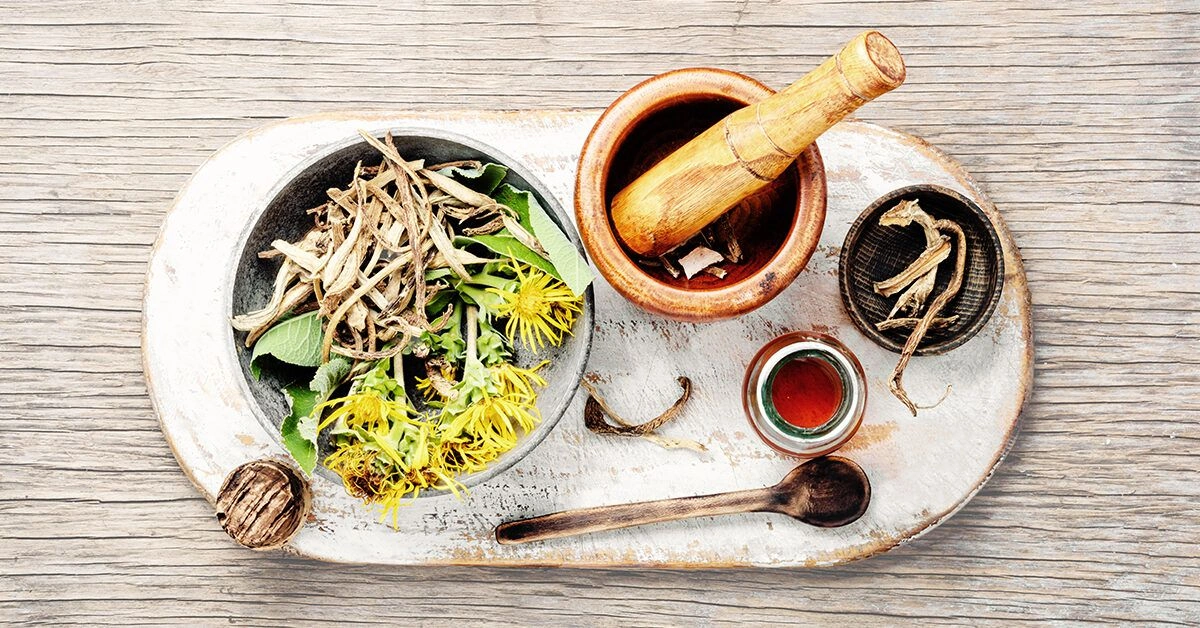
Elecampane root is an herbal remedy used in Traditional Chinese Medicine. Current studies indicate it possesses strong antioxidant and anti-inflammatory effects and may even have anticancer potential. It might also support lung health and help reduce coughing.
Elecampane root (Inula helenium) is an herb taken as a dietary supplement for various health concerns.
Originating in Europe, it has long been employed medicinally and is also part of Traditional Chinese Medicine pharmacopoeia.
Given its broad use in traditional remedies, you may be curious whether elecampane root is worth incorporating into your wellness routine.
This article summarizes what elecampane root is, its common uses, possible advantages, and known adverse effects.
What it is
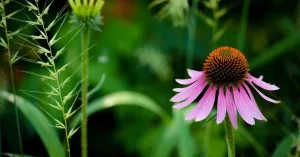
Elecampane root belongs to the Compositae or Asteraceae family. Native to Europe, it has a lengthy record of medicinal application. The plant bears a large yellow bloom on a stalk that can grow up to 8 feet (2.4 meters) tall.
Other names for elecampane include elfwort, elfdock, scabwort, horseheal, and yellow starwort.
It has also been used as a flavoring for food and drink and as a scent component in soaps and cosmetic items.
When used as a supplement, elecampane is most commonly employed for its antimicrobial qualities or to ease respiratory and digestive complaints.
Historically, elecampane root and other Inula species have been used in folk medicine to thin mucus, curb coughing, promote sweating, ease vomiting, and kill bacteria (1).
Summary: Elecampane root comes from a flowering plant in the Compositae/Asteraceae family and has been used traditionally for respiratory, microbial, and gastrointestinal problems.
Health benefits
Although elecampane root has a long traditional use history, rigorous scientific evidence is limited. The Inula genus contains over 100 species, but research has focused on only a few (1).
Overall, clinical proof supporting many traditional applications is sparse. Still, extracts from the plant show therapeutic promise that could have multiple uses.
Has anti-inflammatory and antioxidant activity
Elecampane root includes bioactive constituents with anti-inflammatory properties that might help treat inflammation-related lung diseases (2).
A review of more than 120 studies reported antioxidant effects that may counter oxidative stress and inflammatory conditions such as cancer, cognitive decline, and diabetes (3).
Much of this antioxidant activity is credited to alantolactone, a compound found in the Inula genus, including elecampane (3), though further research is warranted.
Potential anticancer effects
A study reviewing traditional uses of 16 Inula species, elecampane among them, highlighted cancer as one research focus (1).
More human trials are needed, but initial research indicates compounds from Inula plants may have anticancer activity (1).
In vitro studies show elecampane extracts can be toxic to certain cancer cells and exhibit notable antitumor activity. For example, antitumor effects have been observed in studies of brain cancer (4, 5).
One laboratory study found isoalantolactone, a compound isolated from elecampane, displayed potential antitumor activity against pancreatic cancer cells (6).
Another in vitro investigation of an elecampane-derived eudesmane sesquiterpenoid showed it could promote leukemia cell death (7).
Elecampane extracts also appear to impact breast cancer cells. One study reported sesquiterpene lactones inhibited signaling pathways linked to breast tumor activation (8), while another found alantolactone induced death in breast cancer cells (9).
May support respiratory health
Elecampane root has been traditionally used to ease coughs and other respiratory conditions such as rhinitis, bronchitis, and throat infections (2).
A lab study showed alantolactone from elecampane reduced airway inflammation caused by cigarette smoke and helped dilate airways (10).
The researchers proposed alantolactone might be explored as a treatment for chronic obstructive pulmonary disease (COPD), a smoking-related inflammatory lung illness that impairs breathing (10).
Additional in vitro work has shown elecampane can reduce white blood cell activity and lessen inflammation in respiratory ailments (2).
In a clinical study, children with an acute cough received an elecampane-containing cough medicine for 8 days; it was safe and lowered cough severity and duration compared with placebo (11).
However, because the cough remedy included multiple ingredients, the specific contribution of elecampane is unclear.
Higher-quality human studies are needed to confirm elecampane root’s effects on respiratory health.
Shows antimicrobial activity in lab studies
Researchers have evaluated elecampane extracts for antibacterial and antifungal effects.
One test-tube study reported elecampane compounds were active against Staphylococcus and suggested further investigation for antibiotic-resistant infections (12).
Other lab studies found elecampane damaged bacterial cell membranes, effectively killing Staphylococcus species (13).
Additional research indicates elecampane extracts may act against Mycobacterium tuberculosis, the bacterium responsible for tuberculosis, and may inhibit Candida yeast that can cause opportunistic fungal infections (14, 15).
Summary: Traditional uses of elecampane root lack strong scientific backing, but recent research indicates it may have notable antioxidant, anti-inflammatory, anticancer, and antimicrobial effects and could aid respiratory health.
Downsides and potential side effects
When taken by mouth in typical doses, elecampane root is generally regarded as safe for most people.
However, herbs from the Inula genus might interact with blood pressure and blood sugar control, which could pose risks for people with diabetes or those taking antihypertensive medications (16, 17).
A review suggested sesquiterpene lactones in elecampane could trigger systemic allergic reactions in individuals sensitive to plants in the Compositae family (18).
Further research is required, especially on oral use, but past and recent studies have noted similar allergy concerns from skin exposure to products containing Compositae plants (19, 20, 21, 22).
Some anecdotal reports advise against using elecampane with sleep medications due to possible interactions, but robust scientific evidence is lacking. As with any herb, caution is recommended.
Pregnant or nursing individuals should avoid elecampane root because safety data are insufficient.
Summary: Those taking medications for blood pressure or blood sugar, people with sensitivity to Compositae plants, and pregnant or breastfeeding individuals should avoid elecampane root.
Forms and dosage
Only the root of the elecampane plant is used medicinally.
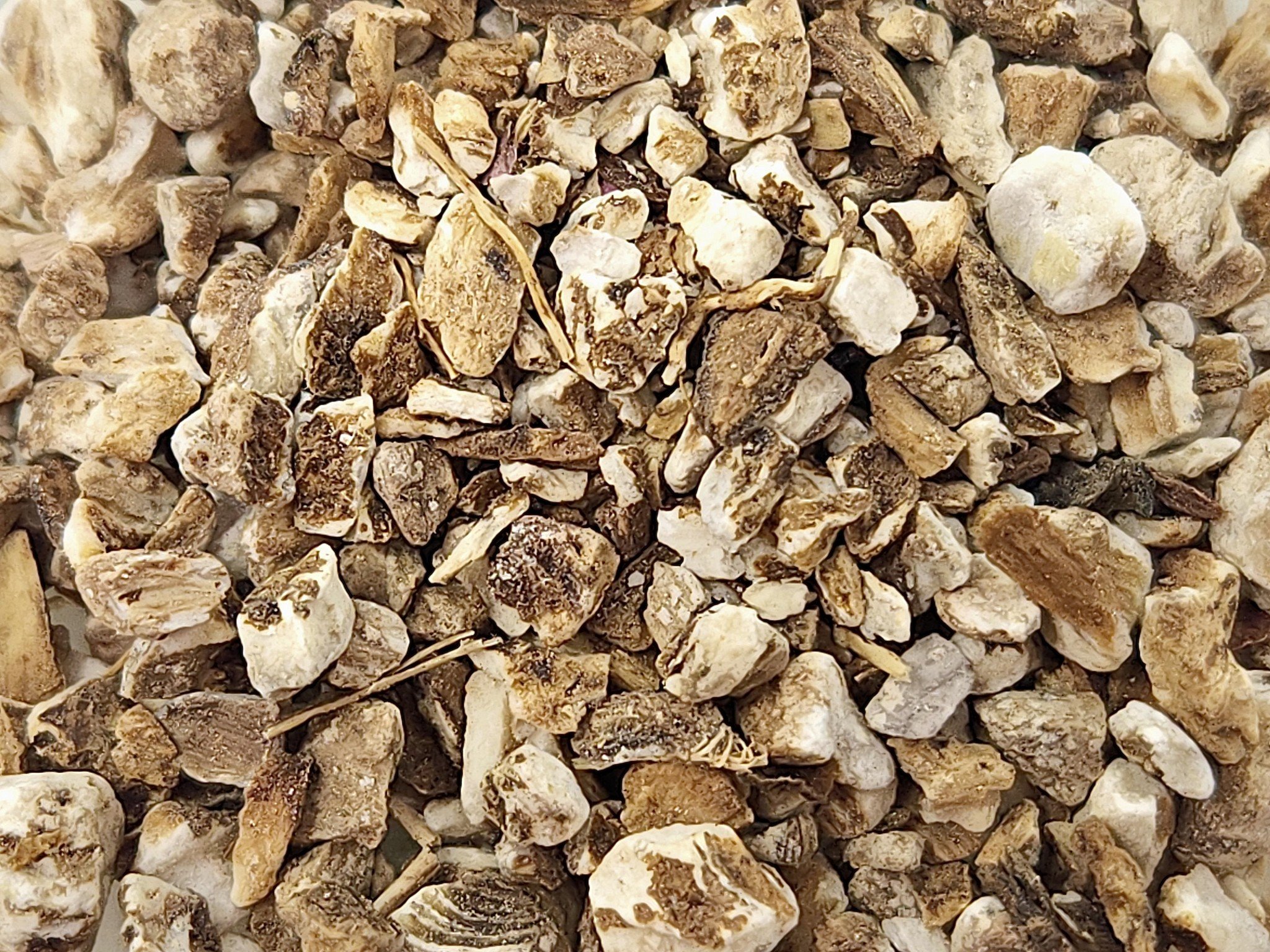
Retailers typically offer elecampane root as dried powder, liquid extract, or loose-leaf tea. You can also buy dried root pieces to grind into powder or simmer to make a tea.
Dosing recommendations vary widely. Commercial products often suggest about 1/4–1/2 teaspoon (0.5–1 gram) of elecampane per day.
Because scientific data on dosing are lacking, no standardized recommendation exists for general consumer use.
Consult your healthcare provider to determine whether elecampane root is appropriate and safe for your situation.
Summary: Elecampane root is sold as whole dried root, powder, liquid extract, or tea. Dosing differs across products and no standard exists. Talk with your healthcare provider before use.
The bottom line
Elecampane root is a European herb with a long tradition of use in Traditional Chinese Medicine.
Research to date indicates extracts from elecampane and other Inula species have considerable antioxidant and anti-inflammatory effects and show potential anticancer and antimicrobial activity. Compounds in elecampane may also help respiratory conditions and lessen coughing.
Elecampane supplements are available as dried powders, liquid extracts, and teas, but more human studies are needed to establish safety, efficacy, and proper dosing.



















Leave a Reply
You must be logged in to post a comment.