

Key takeaways
- NovoLog (insulin aspart) is a prescription insulin used to control blood glucose in people with type 1 or type 2 diabetes.
- NovoLog dosing is individualized and depends on factors such as diabetes type, body weight, meal plan, and blood sugar readings. Follow your prescriber’s instructions for any dose changes.
- Careful blood glucose monitoring is important, and consult a healthcare professional if you have questions about NovoLog dosing or need adjustments.
NovoLog is a prescription insulin therapy for managing blood glucose in adults and some children with type 1 or type 2 diabetes.

The active component in NovoLog is insulin aspart, a rapid-acting insulin. It is a biologic product, meaning it is derived from living cells.
NovoLog is supplied as a clear liquid for subcutaneous injection. In certain clinical situations, a healthcare provider may give NovoLog as an intravenous (IV) infusion.
This article outlines NovoLog’s dosing options, available concentrations, and instructions for use.
What is NovoLog’s dosage?
Note: The information below provides general dosing guidance for NovoLog, but you should always use the dose your prescriber recommends.
What are the forms of NovoLog?
NovoLog is a liquid formulation for injection and is offered in several presentation types. Each option contains multiple doses within the container.
| NovoLog form | Description | Size in milliliters (mL) |
|---|---|---|
| NovoLog vial | a vial usable for subcutaneous injections, IV infusions, and with some insulin pumps | 10 mL |
| NovoLog FlexPen* | disposable, prefilled insulin pen for subcutaneous injections | 3 mL |
| NovoLog PenFill | prefilled cartridge designed for subcutaneous injections | 3 mL |
* The manufacturer previously offered a pen called FlexTouch; FlexPen has since taken its place.
Your clinician can discuss the advantages and drawbacks of each delivery option.
What strength does NovoLog come in?
NovoLog is available as U-100, which contains 100 units of insulin per milliliter (mL) of solution.
What are the usual dosages of NovoLog?
Your prescriber will choose the lowest effective dose of NovoLog that maintains target blood glucose control.
The manufacturer does not publish a one-size-fits-all dosing table, dose calculator, or a maximum dose for NovoLog.
Dosing depends on whether you have type 1 or type 2 diabetes, in addition to factors such as weight, dietary intake, activity level, and blood glucose patterns. When initiating NovoLog, your clinician will determine an appropriate dose based on these considerations and will teach you how to modify it with changes in diet or activity.
Your healthcare provider will also demonstrate proper injection technique. See the “How is NovoLog given?” section for more details.
As a general guideline for type 1 diabetes, the American Diabetes Association (ADA) recommends about 0.4 to 1.0 units of insulin per kilogram (kg) of body weight per day. Roughly half of the total daily insulin should be provided by an intermediate- or long-acting insulin, with the other half coming from a rapid-acting insulin like NovoLog.
NovoLog doses are split across meals and are typically injected 5 to 10 minutes before eating.
For many people with type 2 diabetes, an initial dose might be around 4 units at the largest meal, with subsequent adjustments based on blood glucose monitoring.
Always follow the dosing plan set by your prescriber. They will tailor your regimen to your individual needs.
What’s the dosage of NovoLog for children?
NovoLog can be used in children ages 2 years and older for type 1 or type 2 diabetes. A pediatric dose is calculated by the child’s clinician, taking into account diabetes type, age, weight, and other clinical factors.
The manufacturer does not provide specific pediatric dosing rules. The ADA’s general insulin dosing guidance for children aligns with adult recommendations described earlier.
Discuss the appropriate NovoLog regimen for your child with their healthcare provider.
Is NovoLog used long term?
Yes. NovoLog is commonly part of a long-term insulin regimen if it effectively and safely maintains blood glucose control.
Dosage adjustments
People with liver or kidney impairment may be more prone to hypoglycemia, and their NovoLog dose may need to be reduced. Inform your prescriber if you have liver or renal issues so they can choose a suitable dose.
Frequently asked questions
The following answers address common questions about NovoLog dosing.
Is 20 units of NovoLog too much?
It depends on your individual situation. Your dose is based on factors including:
- whether you have type 1 or type 2 diabetes
- how sensitive you are to insulin
- your diet, body mass, and activity level
- your blood glucose readings before and after meals
- other medicines you take
When starting NovoLog, your clinician will calculate an initial dose and guide you on adjusting it if circumstances change. Do not take more NovoLog than prescribed, as excess insulin can cause harmful effects. (See the “What should be done in case of overdose?” section.)
What’s a NovoLog sliding scale?
A sliding scale provides insulin dose ranges based on current blood glucose levels and is often used to guide mealtime dosing.
Your clinician might give you a sliding scale tailored to your diet, physical activity, concurrent medications, and other personal factors.
If you’re unsure about how to use a sliding scale, consult your healthcare provider.
Is the dosage for NovoLog the same as for NovoLog Mix 70/30?
No. Although the names are similar and both may share some delivery formats (like the FlexPen), dosing for NovoLog and NovoLog Mix 70/30 differs and they are not interchangeable.
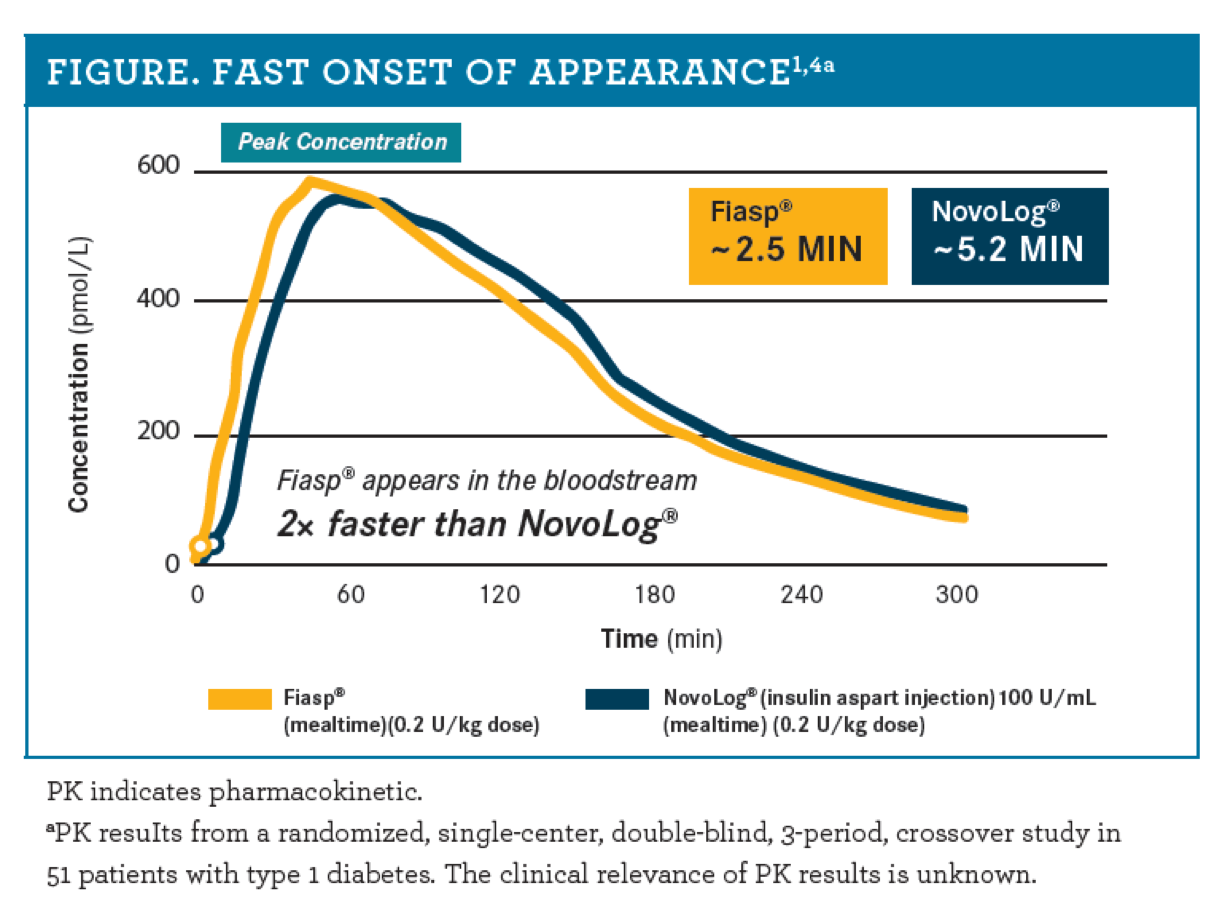
NovoLog is a rapid-acting insulin taken about 5 to 10 minutes before eating, with effects typically lasting 3 to 5 hours.
NovoLog Mix 70/30 combines rapid- and intermediate-acting insulins and is usually given about 15 minutes before a meal; its effects last longer, up to 24 hours.
If you are prescribed NovoLog Mix 70/30, speak with your prescriber about the correct dosing.
How do I determine my correction dose for NovoLog?
A correction dose is extra insulin you take to reduce a high blood sugar to your target range. Your clinician will teach you how to calculate a correction dose based on your individual insulin sensitivity and target glucose.
Discuss your correction dose with your healthcare provider for personalized guidance.
How does NovoLog’s dosage compare with Humalog’s?
Both NovoLog and Humalog are rapid-acting insulins used for type 1 and type 2 diabetes. NovoLog tends to act slightly faster than Humalog.
They are not interchangeable, though dosing considerations are similar (age, other medications, blood glucose levels). Your prescriber will determine which insulin and dose best fit your needs. For related insulin dosing topics, see resources like humalog dosage.
What factors can affect my dosage?
Your NovoLog dose may vary depending on several factors, including:
- the type and severity of diabetes being treated
- your age
- your weight and dietary habits
- your level of physical activity
- other medications you’re taking
- how responsive your body is to insulin
- any other medical conditions (see “Dosage adjustments” above)
How is NovoLog given?
NovoLog is a liquid for injection. Most people self-administer it as a subcutaneous injection, and your clinician will show you the proper technique when you start therapy. The manufacturer also provides dosing and administration information on its website.

In specific circumstances, a healthcare professional might give NovoLog by IV infusion.
Divide your NovoLog doses across meals, injecting about 5 to 10 minutes prior to eating. Always inspect the vial or pen to make sure the solution is clear and colorless before injecting.
You’ll need supplies appropriate to the formulation prescribed, such as pen needles, syringes, or pump cartridges. Your prescriber or pharmacist can advise which items you need and how to obtain them.
Accessible drug containers and labels
If reading the prescription label is challenging, ask your prescriber or pharmacist. Some pharmacies can provide labels that:
- use larger type or braille
- include a scannable code that converts the label to spoken audio
Your pharmacist may suggest pharmacies that offer these accessibility services if your current pharmacy does not.
What if I miss a dose?
NovoLog is usually taken at mealtimes. If you miss a premeal dose, you can take it during the meal. If the meal is finished, check your blood glucose to decide whether to take the missed dose. If unsure, contact your prescriber.
Altering your NovoLog schedule can change blood glucose control, so monitor levels closely until your usual dosing is resumed.
If you’re concerned about missed doses, contact your clinician. They can advise based on your glucose readings.
To help remember mealtime insulin, consider setting alarms or using a medication reminder app.
What should be done in case of overdose?
Never inject more NovoLog than prescribed, as overdosing can cause serious adverse effects.
Symptoms of overdose
An excess of NovoLog may produce severe hypoglycemia. Symptoms can include:
- trembling
- loss of consciousness
- dizziness
- blurred vision
- confusion
An overdose may also lower blood potassium (hypokalemia), with signs such as:
- muscle cramps
- weakness
- irregular heart rhythms
What to do in case you inject too much NovoLog
If you suspect you injected too much NovoLog, contact your prescriber immediately. You can also call 800-222-1222 to reach America’s Poison Centers or use their online resource. If severe symptoms occur, call 911 (or your local emergency number) or go to the nearest emergency department right away.
Disclaimer: Every effort has been made to ensure accuracy and completeness of this information, but it is not a substitute for professional medical advice. Always consult your clinician before starting or changing any medication. Drug information can change and may not include all possible uses, directions, precautions, interactions, allergic reactions, or adverse effects. The absence of specific warnings does not mean a drug is safe or appropriate for all patients or conditions.
















Leave a Reply
You must be logged in to post a comment.