

Anilingus. Cunnilingus. Mutual masturbation. Many sexual activities that don’t involve penetration are absolutely worth trying for pleasure.
Yet lots of people assume STIs only spread through penetration.
That misconception leads many to believe they’re being “safe,” when in truth they may have put themselves in situations where infection transmission is possible.
Worried? Unsure? Don’t panic.
Below, specialists clarify exactly how STIs can be spread even when nothing is being penetrated — plus what you should understand about testing.
STDs vs. STIsBoth terms describe conditions primarily passed through sexual contact. STI stands for sexually transmitted infection, and STD stands for sexually transmitted disease. Technically, “disease” is used when clear symptoms are present, whereas “infection” can apply when symptoms are absent. In everyday usage and medical sources, people often use the two interchangeably.
How can this happen?
Pathogens that cause sexually transmitted infections don’t only “hide” deep inside openings (like the mouth, anus, or vagina).
Rather, these infectious agents can survive on internal or external skin and in bodily fluids, explains Dr. Felice Gersh, author of “PCOS SOS: A Gynecologist’s Lifeline To Naturally Restore Your Rhythms, Hormones, and Happiness.”
For that reason, “certain STIs can be transmitted whenever skin-to-skin contact occurs or when body fluids are exchanged,” she notes.
Important: Not every STI is transferable via every patch of skin or every type of bodily fluid.
Which skin zones or fluids can transmit a particular STI depends on the infection itself, where it resides, and whether it’s a systemic infection.
Which sexual behaviors can spread an STI?
To be explicit: STIs don’t appear out of thin air.
Transmission requires an infected person to pass the pathogen to another person, and the only way to know if someone is infected is through testing (more on that below).
According to Gersh, depending on the STI and its location in the body, transmission can occur during sexual activities involving any of the following:
- the mouth, lips, throat, or saliva
- blood or breast milk
- vaginal fluid, pre-ejaculate, semen, or anal secretions
- the internal anal canal, anal opening, or perineal area
- the vaginal canal, vulva, penis, or testicles
That means, theoretically, an STI could spread during any of these acts:
- kissing
- oral stimulation of the nipples
- oral sex, including fellatio and rimming
- intercourse, whether anal or vaginal
- hand-based sex, such as anal or vaginal fingering, vulva stimulation, and hand jobs
- any play involving menstrual blood, other blood sources, or lactation
If you’re curious about risks from manual stimulation specifically, see guidance about std from handjob for more context.
Can nonsexual activities spread STIs?
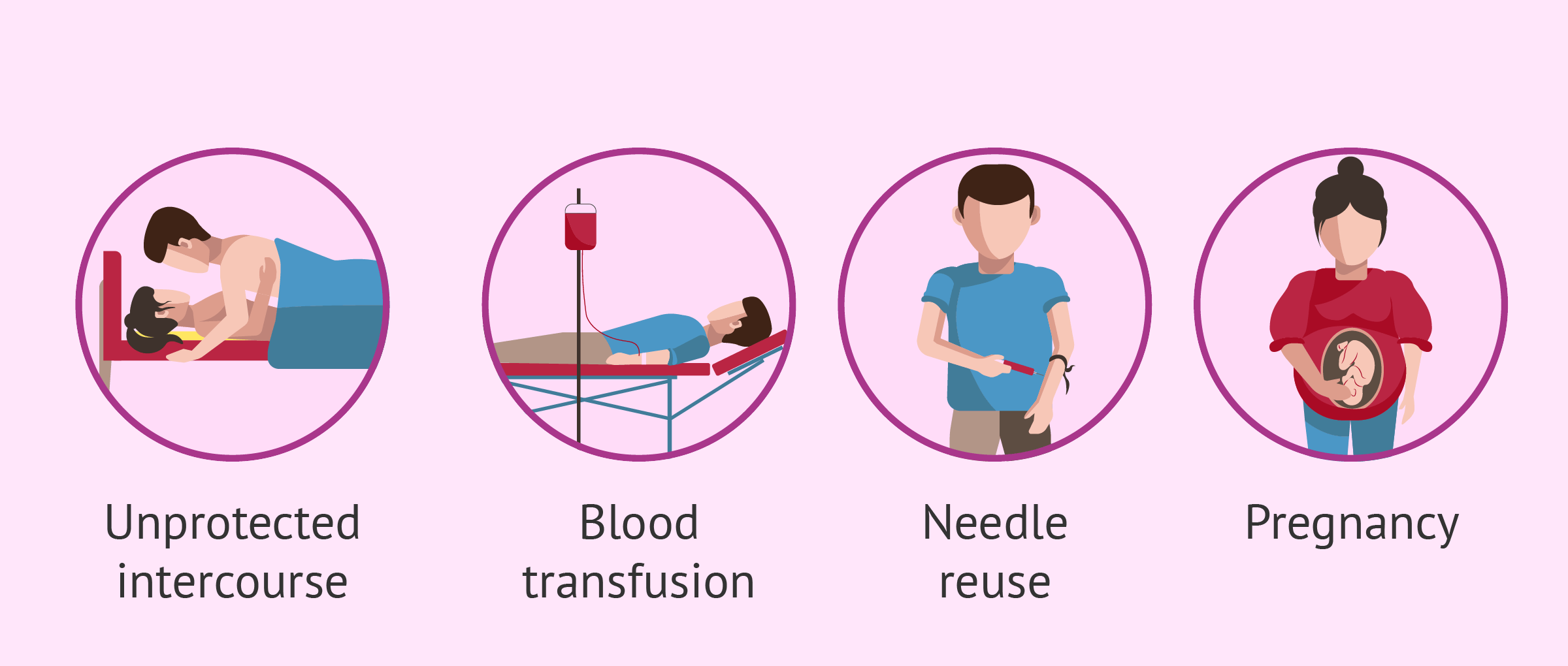
Anything that involves ingesting, being exposed to, or exchanging bodily fluids may potentially transmit infection.
Examples include:
- platonic mouth-to-mouth kissing
- getting a tattoo or piercing
- sharing sex toys without cleaning them
- receiving a blood transfusion
- sharing injection equipment
- breastfeeding or chestfeeding
- transmission during childbirth
- self-inoculation (transferring pathogens from one body part to another)
That said, many fears about nonsexual routes — like catching an STI from a toilet seat, hot tub, or public pool — aren’t usually supported by science.
Most sexually transmitted pathogens don’t survive well outside the body’s mucous membranes. And pool and hot tub chemicals tend to inactivate infectious agents.
Can an STI remain “dormant” and show up later?
Before answering, a quick note on the term “dormant.” Many clinicians avoid it now, Gersh says.
“The idea of a dormant STI isn’t particularly useful,” she explains. “It implies an STI is present but not doing anything in the body.”
Clinicians prefer terms like “asymptomatic” or “latent.”
An asymptomatic infection means someone isn’t currently noticing signs they can see, feel, or smell. The World Health Organization reports that most STIs are asymptomatic.
“You can have an STI without symptoms and still transmit it to others,” Gersh says.
“You can also have an infection without obvious symptoms but still have it affecting your body internally,” she adds.
For instance, a person might have human papillomavirus (HPV) with no symptoms yet still experience cellular changes in the cervix because of the virus.
It’s also possible to be symptom-free initially and develop symptoms later.
STI tests cannot always detect an infection immediately after exposure.
That’s because the body may not yet have produced detectable antibodies, which many tests measure.
How often should you be tested?
The Centers for Disease Control and Prevention (CDC) recommends that most sexually active people get tested at least once a year.
Gersh adds, “It’s good practice to get tested before starting sex with a new partner.”
Why? Because testing is the only reliable way to know your current STI status and reduce transmission risk.
What are the incubation periods for different STIs?
The incubation period is the span between when someone acquires an infection and when a test can detect it.
Testing during the incubation period can produce a false-negative result. “Incubation varies by infection,” Gersh says. “It can be anywhere from a couple of days to several months.”
| STI | Incubation period |
|---|---|
| chlamydia | 7–21 days |
| genital herpes | 2–12 days |
| gonorrhea | 1–14 days |
| hepatitis A | 15–50 days |
| hepatitis B | 8–22 weeks |
| hepatitis C | 2–26 weeks |
| HIV | 2–4 weeks |
| HPV | 1 month–10 years (varies by type) |
| oral herpes | 2–12 days |
| syphilis | 3 weeks–20 years (depends on stage) |
| trichomoniasis | 5–28 days |
So if you have unprotected sex, rushing to get tested the next day isn’t the most useful move, Gersh notes.
“A test taken immediately after sex will show infections you already had before that encounter, not necessarily ones you might have acquired from that partner,” she explains.
After unprotected sex, Gersh suggests testing around two weeks later and then again two weeks after that.
Some people use “unprotected sex” specifically for condomless penile-vaginal intercourse. Here, it refers to any sexual activity that occurred without a barrier method — including incidents with a damaged, expired, or improperly used condom.
Never been screened? Where should you begin?
If you’ve never undergone STI screening and want to start, well done — this is an important step for your sexual health.

Begin by locating a testing site near you using an STI testing center directory. Before you go, confirm the clinic screens for the specific infections you want checked; some places only test for HIV, for example.
When you arrive, explicitly request tests for all the infections you’re concerned about, especially if you want oral or anal testing.
Many clinics default to testing for genital gonorrhea, genital chlamydia, HIV, and syphilis unless you ask for broader screening, Gersh points out.
The takeaway
Yes — you can acquire or spread an STI without penetrative sex. The most effective protection is mutual knowledge of current STI status through appropriate testing.





















Leave a Reply
You must be logged in to post a comment.