

Health and science writer, Simone Scully, outlines reasons the skin in your intimate areas may become darker, what’s considered normal, and when you should consult a clinician.
Many parts of our bodies evolve with time, and one change you may not expect is the hue of the skin around your genitals.
This shift doesn’t typically occur suddenly. Instead, it’s gradual — so gradual that you may not notice it at first.
Then one day it catches your attention, and you ask yourself: Is this okay?
Is darker genital skin typical?
It’s entirely common for the skin of the labia, scrotum, and anus to be deeper in color than other body areas.
This phenomenon is known as hyperpigmentation.
“In most people after puberty, the skin in the genital region will be darker than other skin areas,” says Hadley King, MD, a Manhattan-based dermatologist.
It varies from person to person
“Color differs among individuals,” King adds. “There isn’t a single ‘normal’ shade here, though it tends to be darker than elsewhere.”
Your inherent skin tone influences how pronounced the darkening appears. On lighter skin, hyperpigmentation may be a subtle contrast, while on deeper skin tones it can be more noticeable.
For those with darker complexions, you may see more of a genuine browning of the area, explains Evan Goldstein, DO, an anal surgeon and CEO of Bespoke Surgical in New York City.
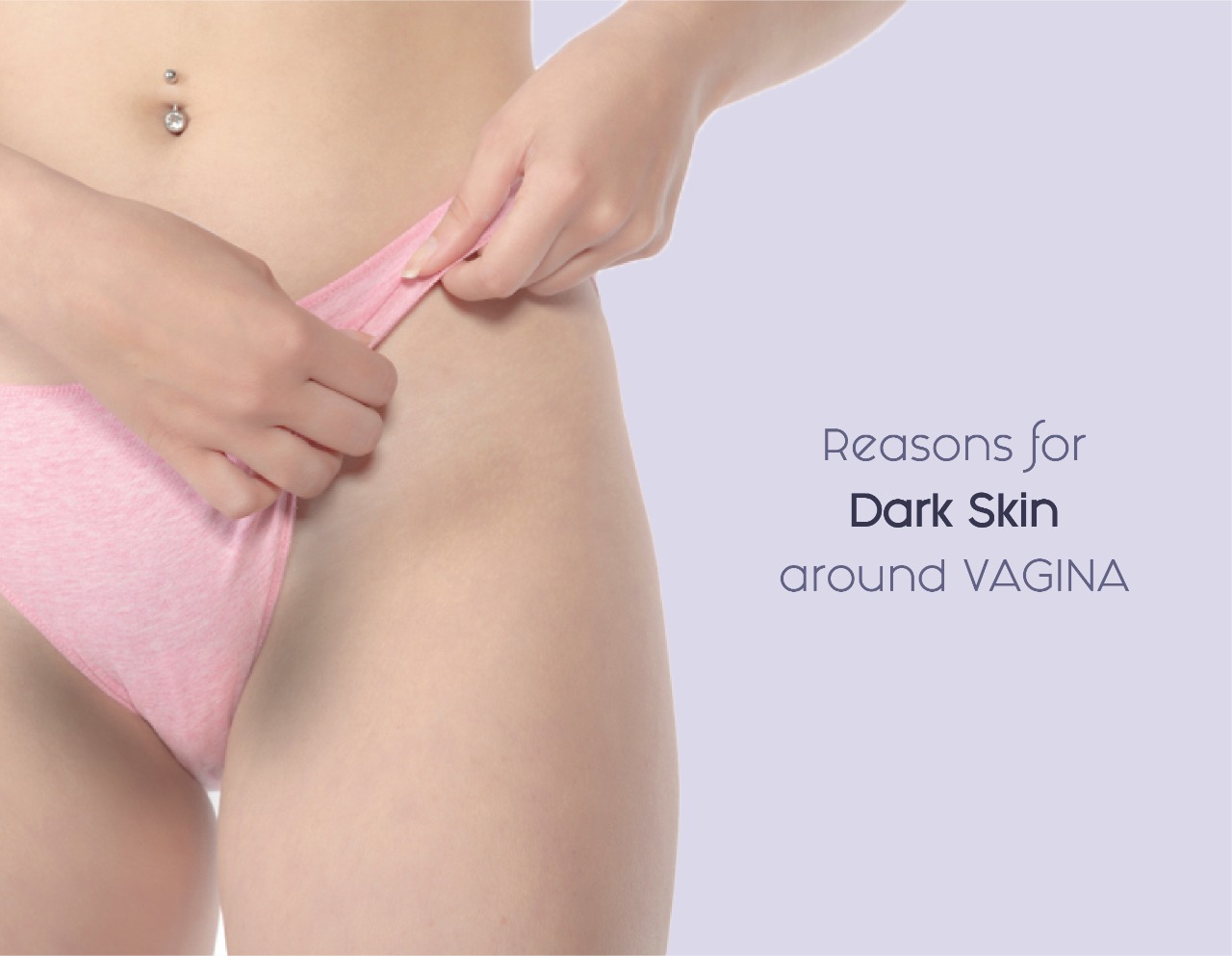
Common causes of genital darkening
Hormonal influences
Melanocytes are the skin cells that produce melanin, and those in the genital region are particularly responsive to hormones.
“Over time, the genital area tends to darken in response to hormonal fluctuations,” says Tamika Cross, MD, a board-certified OB-GYN in Houston and co-owner of Serenity Women’s Health & MedSpa.
“This can occur during puberty, pregnancy, or simply with aging. For instance, estrogen can increase pigmentation in areas like the labia.”
Hormonal shifts can also darken the skin of the nipples, areolae, and anus.
“During puberty and pregnancy, increased estrogen levels often lead to more pigment in these regions,” Cross says. “Usually, once it darkens, it tends to persist or deepen rather than disappear.”
Friction and inflammation
“More friction can raise the chance that melanocytes become overactive,” Goldstein explains.
Put another way, rubbing stimulates those cells to make extra melanin, producing darker skin.
Goldstein notes that sexual activity and related contact introduce added friction to the area, which can change pigmentation. Both vaginal and anal sex can contribute.
The labia and the upper inner thigh, especially within groin folds, can darken from everyday rubbing or childbirth trauma.
“Continuous rubbing or injury triggers keratinization, which matures cells toward the skin’s surface,” Cross explains. “Those cells contain melanin, so the process produces thicker, darker skin in those spots.”
Shaving and hair-removal products can similarly darken skin by provoking the same reactions. Friction can also cause inflammation, which may then lead to post-inflammatory hyperpigmentation.
“We observe this after a pimple,” King says, and also “in groin folds where moist skin rubbing on moist skin causes intertrigo.”
Yeast infections, ingrown hairs, and folliculitis can likewise result in post-inflammatory hyperpigmentation.

Aging
“Genital darkening generally becomes more evident with age,” Cross says.
This is due to more years of repeated irritation and additional hormonal shifts over time.
It can occur on other parts of the body, too
Hyperpigmentation shows up in many places.
Pregnancy-related hormonal changes may darken nipples, areolae, and moles, and can produce a darker vertical line (linea nigra) on the lower abdomen beneath the belly button.
Sun exposure can cause hyperpigmentation on the face, chest, back, and arms — often as sun spots or freckles.
Areas where skin folds frequently — such as elbows, knees, underarms, and knuckles — can also darken.
Post-inflammatory darkening after acne or a rash may appear anywhere on the body.
Things you can do to help reduce darkening
Hyperpigmentation driven by hormones and aging is tough to prevent. But you can take steps to reduce friction-related darkening.
“In principle, measures that limit friction may help minimize genital darkening,” Goldstein says.
Ways to reduce chafing and friction include:
- avoiding tight clothes and underwear
- keeping the skin hydrated
- steering clear of hair removal methods like waxing or shaving that can cause folliculitis and irritation
- choosing moisture-wicking fabrics
Darkening shouldn’t cause complications
While the change may be unwelcome cosmetically, it’s usually harmless.
If inflammation seems to be the trigger, monitor the area for signs of infection and try to keep it clean and dry.
See a doctor if the color change is sudden
“Rapid skin changes should be evaluated promptly,” Goldstein advises. “Various systemic problems can produce abrupt skin changes.”
If the darker patch itches, that typically signals inflammation due to infection or an allergic reaction to a product.
Sudden shifts in skin color can also relate to underlying conditions such as diabetes or polycystic ovarian syndrome.
“If the skin darkens and becomes sickly or rough, it may represent acanthosis nigricans,” says dermatologist Joshua Zeichner, MD, director of cosmetic and clinical dermatology research at Mount Sinai Hospital in New York City.
“This velvety, darkened appearance can also show up on the neck and underarms and is often linked to elevated blood sugar and diabetes,” Zeichner explains.
If the darkening appears abruptly and looks spotted, bumpy, or crusted, it might indicate a sexually transmitted infection, such as genital warts.
As Goldstein reiterates, “if something seems off, see a specialist.”
Otherwise, allow yourself time to adjust
Keep in mind: darkening is normal, especially with age. You’re not alone.
“It’s uncommon to find someone without some degree of skin variation by a certain age,” Goldstein says. Don’t be misled by airbrushed photos online or in magazines.
Change isn’t inherently negative. Take a moment to become familiar with your changing body — it’s still beautiful, and no one should tell you otherwise.
Your body, your decision
If the pigmentation bothers you, there are cosmetic options like chemical peels or laser therapies.
A qualified dermatologist can explain your choices and advise on safe approaches. Make cosmetic decisions for your own reasons — not to satisfy someone else’s expectations.
Safety reminder
Talk with a certified professional before attempting treatments.
“Improper bleaching methods and use of illicit products can cause infections, skin injury, permanent discoloration, and anal strictures,” King warns.
The takeaway
If you have concerns about darkening skin, consult a healthcare professional — they can help.
For questions about reducing pigmentation or whether cosmetic procedures might help, a medical professional can review your history, identify the likely cause, and recommend personalized next steps.






















Leave a Reply
You must be logged in to post a comment.