
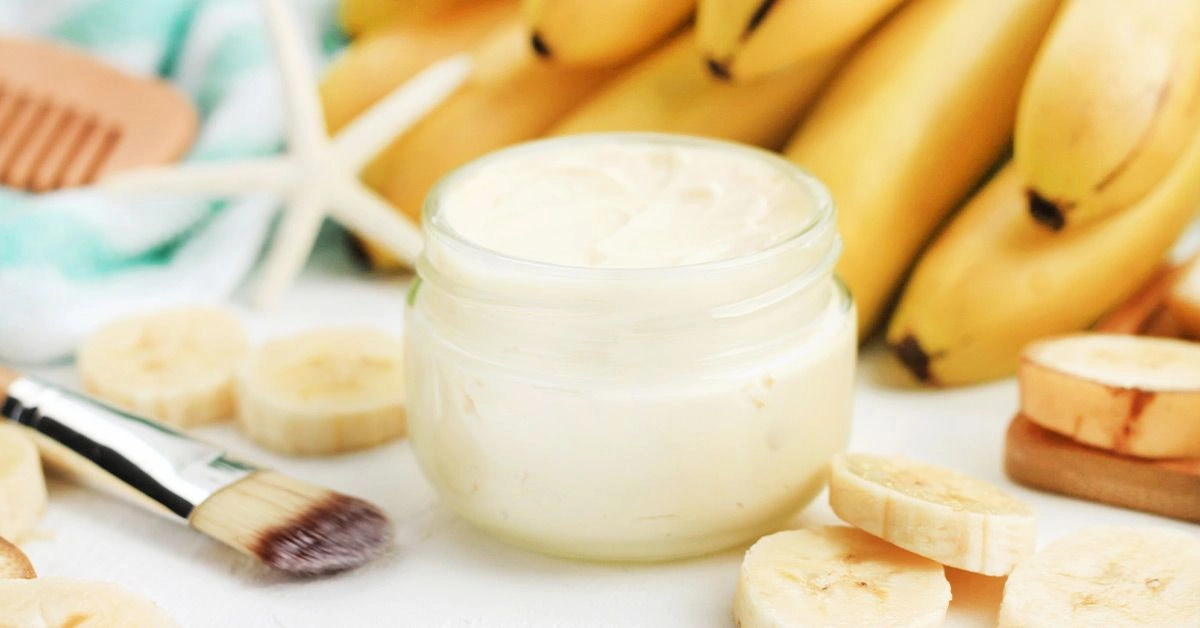
Bananas rank among the top fruits for potassium and fiber. Beyond eating them, fans claim bananas have topical perks — from hair remedies to skincare — and banana masks are becoming a popular DIY treatment for various skin concerns.
:max_bytes(150000):strip_icc()/homemade-facial-mask-from-banana--plain-yogurt-and-honey-1223552740-ae87e33560c24bf7bafdbdf8221e96d7.jpg)
Some believe a banana face mask can enhance the skin thanks to its nutrient profile and silica content. Still, clinical research is limited on these claimed effects.
Below we review the suggested benefits and explain safe ways to prepare a banana face mask at home.
Potential benefits of banana face masks
One of the standout components for topical use is silica, a compound related to silicone. Supporters say silica in bananas might stimulate collagen production, the proteins that help skin stay hydrated and smooth.
Bananas also offer nutrients that could be helpful for the skin, including:
- potassium
- vitamin B6
- vitamin C
- small amounts of vitamin A
Banana face mask for wrinkles
Collagen naturally declines with age, which can cause skin to loosen and make fine lines and wrinkles more obvious.
Proponents suggest a banana face mask may boost collagen via silica, potentially diminishing wrinkle visibility. More rigorous studies are required to confirm this link.
Banana face mask for a radiant complexion
Bananas are a good source of antioxidants that counter free radicals. Applying antioxidants topically may shield the skin from oxidative damage and could leave the complexion appearing more luminous. However, additional research is needed.
Banana mask for acne
Although bananas lack potent acne-fighting agents like tea tree oil, benzoyl peroxide, or salicylic acid, they may help with inflammation through vitamin A. Phenolic compounds in bananas might also have antimicrobial properties that could aid in treating blemishes.
Banana face mask for acne scars
Advocates claim bananas could reduce hyperpigmentation thanks to vitamins A and C. This may help fade acne marks and sunspots over time.
Banana face mask and sun protection
A face mask should never replace sunscreen, but the antioxidants in bananas may support the skin’s natural defenses against sun-related damage. Vitamins A, C, and E are particularly notable in this regard.
Banana face mask for dry skin
Some people report that bananas help with dryness, which could be linked to their vitamin B6 and potassium. More evidence is necessary to substantiate this claim.
Precautions and possible side effects
Although uncommon, allergic reactions to banana face masks can occur. If you have a known allergy to bananas or latex, avoid using a banana mask. Pollen sensitivities may also increase the likelihood of reacting to bananas.
Symptoms of an allergic reaction to a banana mask may include:
- itching
- redness or hives
- skin swelling
- sneezing
- wheezing or other asthma signs
Severe allergic responses are possible and can be life-threatening — this is called anaphylaxis and requires immediate emergency care. Signs include difficulty breathing, facial swelling, and fainting.
Bananas are botanically related to other fruits and vegetables in the latex-associated group. Be cautious with bananas if you’ve ever reacted to:
- apples
- avocados
- kiwi
- potatoes
- tomatoes
- celery
- carrots
- melons
- papaya
- chestnuts
How to prepare and use a banana face mask
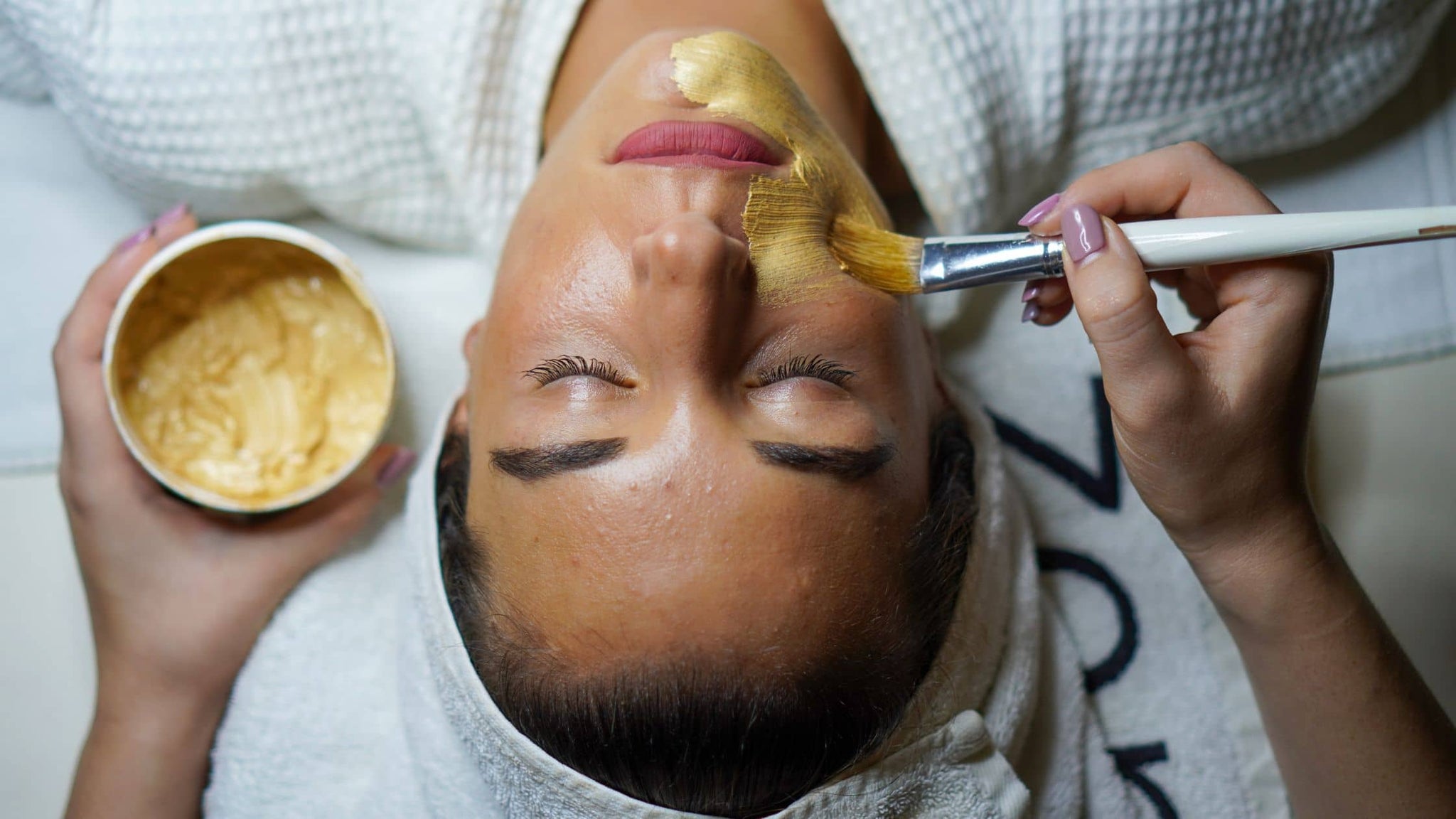
The primary ingredient for any banana mask is a ripe, mashed banana. Some people also rub the peel on their skin, but that differs from using a mashed banana mask.
You can modify the mask by adding other components based on your skincare goals. Mashed banana blends well with these additions:
- honey — helpful for dry skin, oily skin, and acne
- clay — absorbs extra oil and helps cleanse pores
- a few drops of lemon or orange juice — may help lighten marks
- mashed avocado — restores moisture
- yogurt — provides hydration and soothing benefits
- turmeric powder — may reduce dark spots and acne while brightening
To make and apply a banana mask, follow these steps:
- Combine ingredients in a bowl, adding a little water if needed to reach a thick consistency.
- Pull hair back to avoid getting banana in it.
- Apply an even layer to clean, dry skin.
- Leave on for 10–15 minutes, then rinse with lukewarm water.
- Gently pat your skin dry and apply moisturizer.
- Use two to three times weekly.
If you notice redness or a rash after using the mask, consult a dermatologist. Doing a patch test before full-face application can help detect sensitivities.
Bottom line
Used alongside sound skincare habits, an occasional face mask may benefit your skin’s overall health, and a banana mask is one accessible option. However, scientific support for many of the claimed banana benefits is limited.
Exercise caution if you have a history of fruit or latex sensitivities. If you’re not getting the results you expect, seek advice from a dermatologist.

















Leave a Reply
You must be logged in to post a comment.