

You may notice a slight increase in weight around ovulation due to bloating and water retention driven by hormonal shifts. Steering clear of certain foods and walking after meals might help ease these symptoms.
During ovulation, some people observe a modest rise on the scale. This is often linked to bloating, which can accompany the ovulatory phase.
Hormone concentrations fluctuate across the menstrual cycle, and these fluctuations can influence how much fluid your body holds, so you may feel more bloated at particular times.
Not everyone will experience bloating when they ovulate.
In fact, you might weigh less during ovulation than in the premenstrual stage. Many people report greater bloating and higher weight immediately before their period.
Read on to understand why bloating and temporary weight gain can occur during ovulation, other signs of ovulation, ways to manage ovulation-related bloating, and when to consult a healthcare professional.
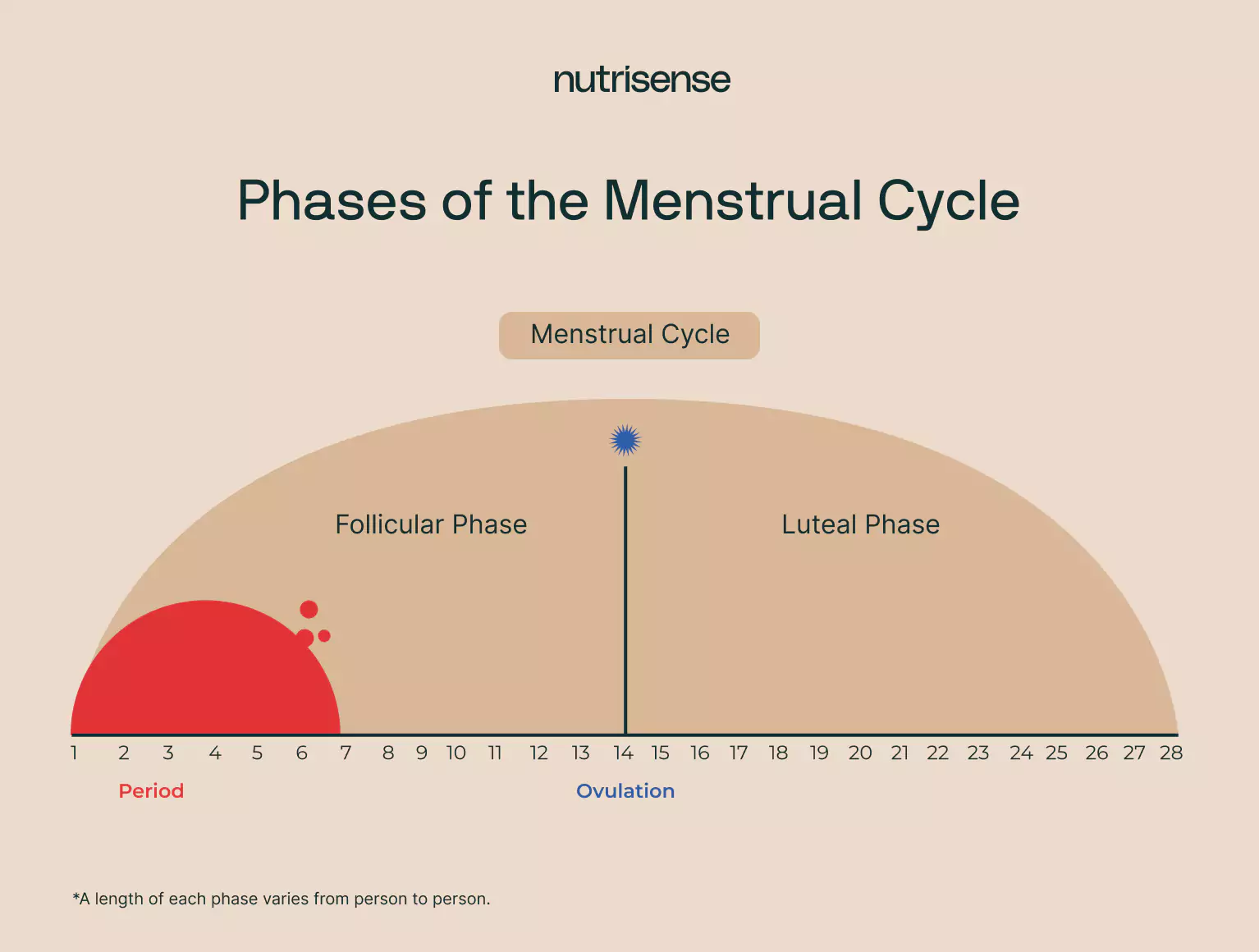
Bloating and weight changes across the menstrual cycle
Distinct hormonal shifts occur during the various phases of the menstrual cycle.
Shortly before ovulation, levels of luteinizing hormone (LH) and follicle-stimulating hormone (FSH) rise. Estrogen and testosterone also reach higher levels during the ovulatory window.
These hormonal surges trigger ovulation: a follicle in the ovary ruptures and releases an egg, which then travels into a fallopian tube where it can be fertilized.
It’s believed that the surge in LH and FSH may promote fluid retention (commonly called bloating) around ovulation.
An older 2011 study that tracked fluid retention in 62 people over a year found bloating to be a frequent symptom of ovulation. The researchers observed bloating beginning about five days before ovulation and continuing until menstruation.
Another earlier 2017 study points out that the connection between ovulatory hormones and bloating remains not fully explained.
Further recent research is still required to clarify this relationship.
Nevertheless, if you see a small weight gain at ovulation, it’s usually not alarming. It’s a common ovulation-related symptom and does not necessarily reflect an underlying disorder.
Other signs of ovulation
Ovulation commonly happens around day 14 of a 28-day cycle, but it can occur 12 to 16 days after your period begins depending on your cycle’s length and regularity.
Other typical ovulation signs include:
- Ovulation pain: Often called mittelschmerz, ovulation pain is usually mild. Intense ovarian pain could signal other conditions, such as endometriosis or ovarian cysts. Consult a doctor if you experience severe ovarian pain.
- Temperature rise: Your basal body temperature (BBT) may increase by roughly 1°F (0.556°C) just after ovulation. BBT is the temperature measured when you first wake up.
- Changes in cervical mucus: Around ovulation, cervical mucus may become clear, stretchy, and slippery, resembling raw egg whites. You may also notice more discharge just before ovulation.
- Breast tenderness: Swollen breasts or sore nipples can occur around ovulation.
- Higher libido: Some people experience an increase in sexual desire during ovulation, possibly due to elevated estrogen and testosterone.
- Spotting: Mild bleeding or spotting can happen during ovulation. Ovulatory bleeding is usually pink or bright red; an older 2012 study found about 5% of people report bleeding during ovulation. While uncommon, it isn’t always worrisome.
You can predict ovulation by watching for these signs and tracking your cycle with a calendar or a fertility app.
This approach underlies the fertility awareness method (FAM), a natural family planning technique that can help people try to conceive or avoid pregnancy.
Ovulation predictor kits or tests can also indicate likely ovulation, though they aren’t foolproof and can’t diagnose fertility problems.
Ways to reduce ovulation-related bloating
Bloating linked to ovulation can be uncomfortable.
To help lessen abdominal bloating, consider:
- avoiding gas-producing foods like lentils, cabbage, and fizzy drinks
- skipping gum, which can cause you to swallow excess air
- eating more slowly and chewing thoroughly to aid digestion
- gently massaging your belly
- maintaining regular physical activity
- staying well-hydrated
- taking a walk after meals to support digestion
- consuming probiotic-rich foods or supplements to promote gut health
- using fiber supplements or constipation treatments if you’re constipated
It may help to track which foods leave you feeling more bloated. If certain meals consistently cause bloating, note them and discuss with a doctor, as bloating and digestive symptoms can sometimes point to food sensitivities.
When to consult a healthcare professional
Weight gain during ovulation is common and usually not a sign of disease. Likewise, bloating is rarely alarming, though both can also stem from other health issues.
If these symptoms persist for more than a few days or occur outside your ovulatory window, mention them to a physician, such as your primary care provider or a gynecologist. They can refer you to a specialist if needed.
Persistent bloating and digestive complaints like gas can be associated with conditions such as irritable bowel syndrome (IBS) or small intestinal bacterial overgrowth (SIBO). Your hormones can also affect disorders involving gut-brain interaction, meaning symptoms might recur or change with your cycle.
Endometriosis can cause painful bloating and abdominal swelling—sometimes called “endo belly.” This condition occurs when tissue resembling the uterine lining grows outside the uterus and often produces other symptoms like intense menstrual pain, bleeding between periods, and pain with or after sex.
When it’s urgent
Get emergency care for sudden, severe pelvic pain that may spread to the abdomen, back, or side, especially if you also have:
- nausea or vomiting
- fever
- cold, clammy skin
- rapid breathing
- dizziness or lightheadedness
- heavy vaginal bleeding
While not always serious, these signs could indicate a ruptured ovarian cyst or ovarian torsion and warrant prompt evaluation.
The takeaway
Some people experience weight gain during ovulation. Such weight changes and bloating are often benign and related to hormonal shifts during the menstrual cycle.
If you have additional concerning symptoms alongside weight gain and bloating, it’s a good idea to speak with a healthcare professional.
If your bloating is accompanied by intense pain, seek emergency medical attention.




















Leave a Reply
You must be logged in to post a comment.