
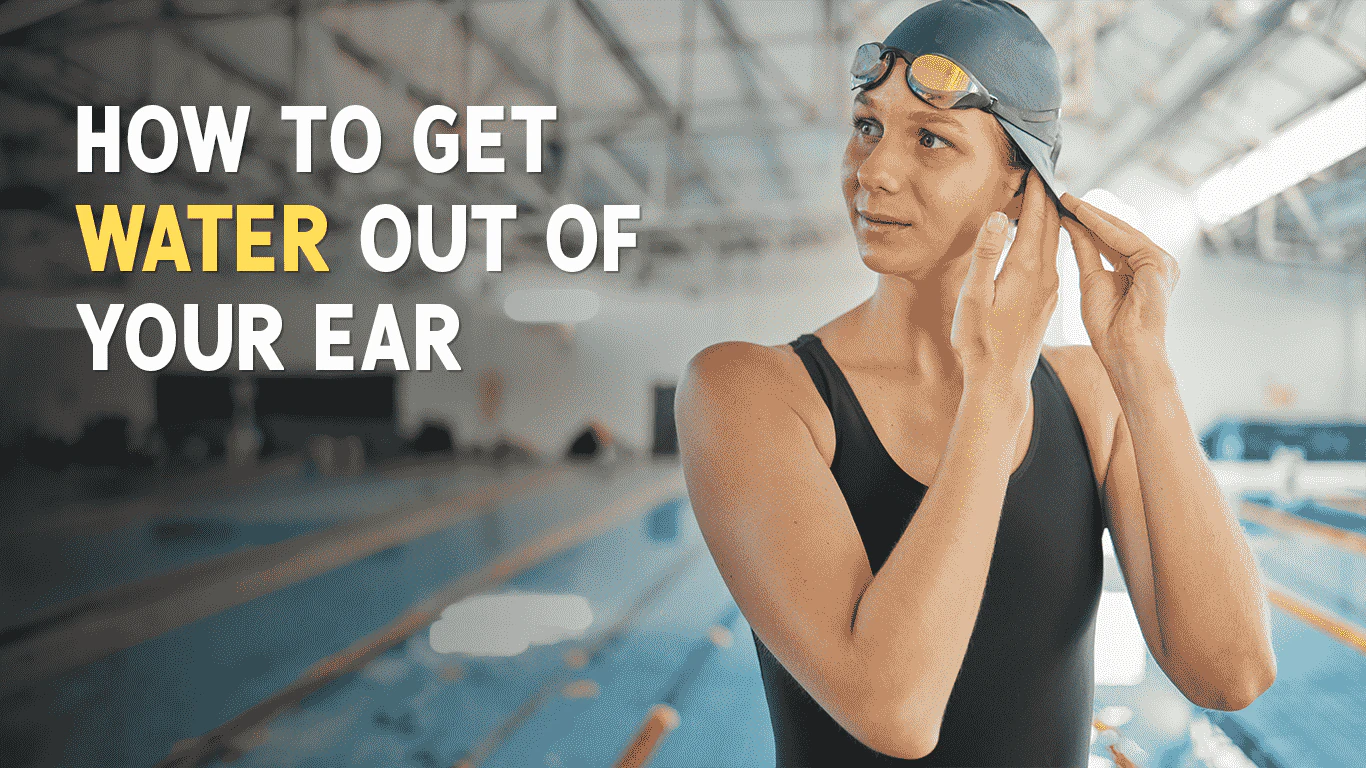
Remove surplus water from your ears using techniques like blow drying, various eardrops, or even by introducing more water.
While swimming is a common culprit, water can become trapped in your ear canal after any water exposure. When this happens, you might notice a ticklish sensation inside the ear that can extend toward your jaw or throat. Hearing may be reduced or sound may seem muffled.
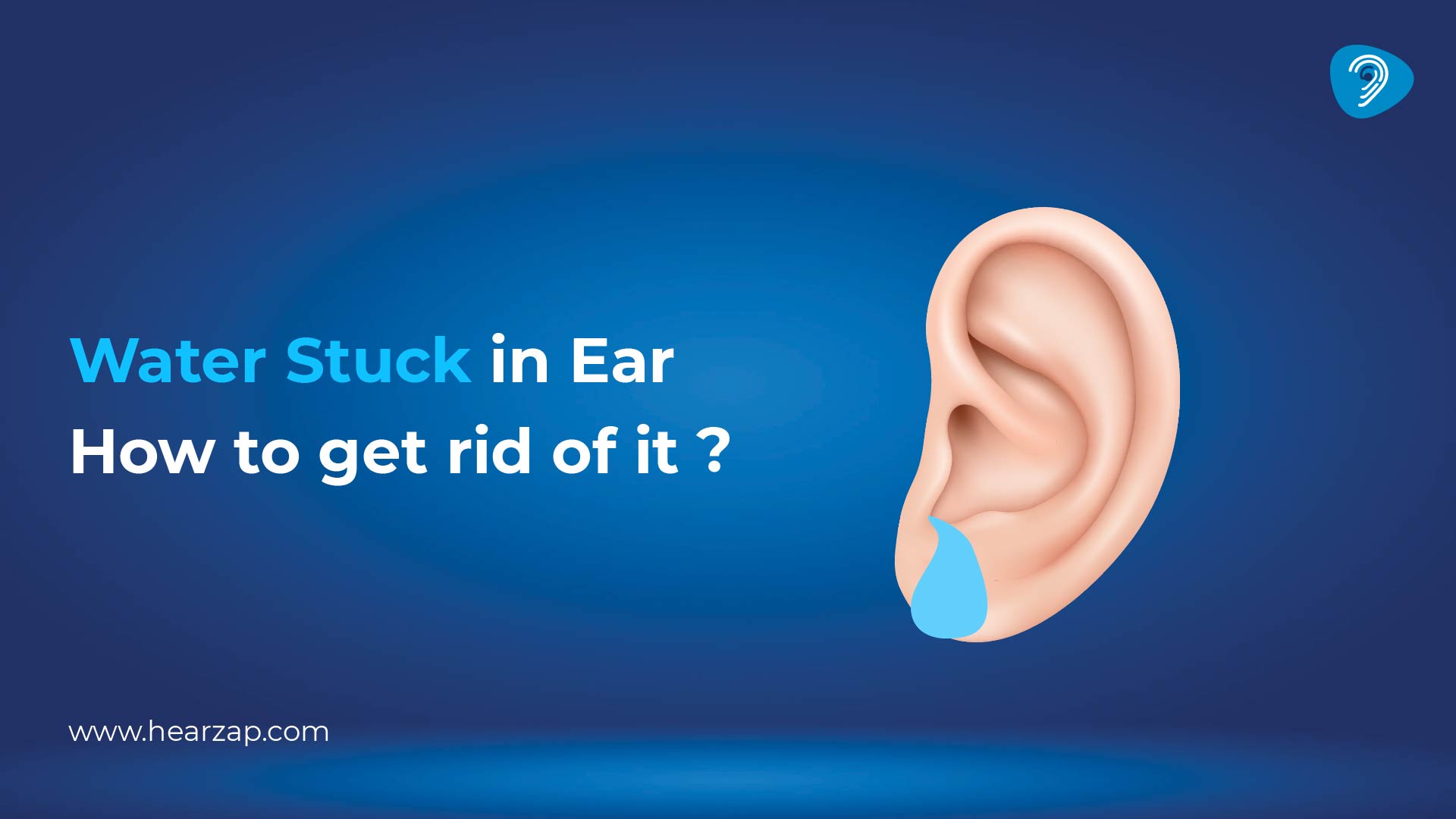
In many cases, the fluid drains on its own. If it doesn’t, lingering moisture can foster an infection. An infection of the outer ear canal is known as swimmer’s ear (otitis externa).
It’s usually straightforward to get water out of your ear at home. Here are 12 methods that can help.
How to remove water from your ear canal
If water becomes trapped in your ear, try one of these at-home approaches for relief:
1. Jiggle your earlobe
This simple trick may dislodge the water immediately.
Gently pull or wiggle your earlobe while tilting your head toward your shoulder.
You can also shake your head side to side while keeping this position.
2. Let gravity help
Gravity can assist in letting the water drain out.
Lie on your side for a few minutes with your head resting on a towel to soak up the moisture. The water may slowly escape from your ear.
3. Make a suction effect
This approach forms a mild vacuum that can draw the liquid out.
- Tip your head to the side and press your cupped palm over the ear, forming a snug seal.
- Quickly push your hand toward your ear and pull it away repeatedly, flattening it as you push and cupping it as you pull.
- Tilt your head downward so the water can drain.
4. Use a blow dryer
The warm air from a hair dryer can help evaporate moisture inside the ear canal.
- Set the dryer to its lowest heat and speed.
- Hold it about a foot away from your ear and move it back and forth.
- While tugging gently on your earlobe, let the warm air blow into the ear.
5. Try eardrops or sprays
If suggested by a clinician, use eardrops after swimming. Over-the-counter drops can soften compacted earwax that may be trapping water. Some formulas can also repel moisture and lower infection risk.
Possible choices include:
- alcohol-based drops
- hydrogen-peroxide-based drops, such as carbamide peroxide
- oil-based drops, including olive oil or almond oil
- glycerol-based eardrops
Avoid these if you have any of the following:
- a middle ear infection
- a ruptured eardrum
- tympanostomy tubes (ear tubes)
- signs of injury or infection, like pain, swelling, warmth, drainage, or bleeding from the ear
6. Use more water
This may seem counterintuitive, but adding water can help flush the trapped fluid out.
- While lying on your side, use a clean dropper to place water into the affected ear.
- Wait about 5 seconds, then turn so the affected ear faces downward. The water should flow out.
Warm steam can also loosen trapped water. Try a hot shower or a quick steam session with a bowl of hot water.
- Pour steaming hot water into a large bowl.
- Cover your head with a towel to trap the steam and lean over the bowl.
- Breathe the steam for 5–10 minutes, then tilt your head to drain the ear.
When to contact a doctor
Most trapped water clears without medical care, but sometimes it leads to infection requiring treatment.

See a primary care provider or an otolaryngologist (ENT) if water remains in your ear after 2–3 days or if you develop infection signs such as swelling.
Untreated ear infections can become serious and potentially cause hearing loss or damage to cartilage and bone.
A clinician can safely remove water or wax and prescribe medication to treat infection and ease pain.
What not to do if you have water in your ear
If home remedies fail, don’t use cotton swabs, your finger, or any object to probe inside the ear. This can worsen the situation by:
- introducing bacteria
- pushing water deeper
- damaging the ear canal
- perforating the eardrum
If water remains after 2–3 days or infection symptoms appear, seek medical attention.
How to prevent water from entering your ear
These easy measures can reduce the chance of getting water trapped in your ear.

- Wear earplugs or a swim cap when swimming.
- After being in water, dry the outer ear thoroughly with a towel.
Frequently asked questions
Why does my ear feel like there is water in it?
You may sense water in your ear even without exposure. Causes range from minor to more serious, including earwax buildup, ear infection, fluid in the middle ear (glue ear), dysfunction of the eustachian tube, drainage, or cholesteatoma. If the feeling persists for several days, consult a healthcare provider for diagnosis and treatment.
Will water come out of my ear naturally?
Usually gravity helps water exit the ear naturally. If not, home techniques like eardrops or jiggling the earlobe can encourage the fluid to drain.
Why can’t I get water out of my ear?
If water won’t come out, earwax or debris may be blocking the passage. Don’t insert objects to clear it, as that can cause infection or worsen the blockage. Sterile drops can soften earwax. You might also have swimmer’s ear, which may need medical treatment.
What happens if you have water in your ear for too long?
Persistent water can lead to an ear infection, especially if bacteria are present. This condition—swimmer’s ear—may need professional care.
How do you open a blocked ear?
If blockage is due to pressure, you may equalize pressure by yawning, swallowing, or using a warm compress. If these don’t help, a healthcare provider can offer treatment.
Takeaway
Water trapped in your ear often drains naturally. Home approaches like gently jiggling the earlobe or lying on your side can help the fluid escape.
Sometimes trapped water can cause an infection that requires medical attention.
Avoid placing anything—cotton swabs, fingers, or other objects—into your ear, as this can introduce bacteria or cause injury and infection.


















Leave a Reply
You must be logged in to post a comment.