
What is microdontia?
Just like nearly everything about the human body, teeth can come in a range of sizes.
You might have larger-than-average teeth, a condition known as macrodontia, or you could have teeth that are smaller than the average.
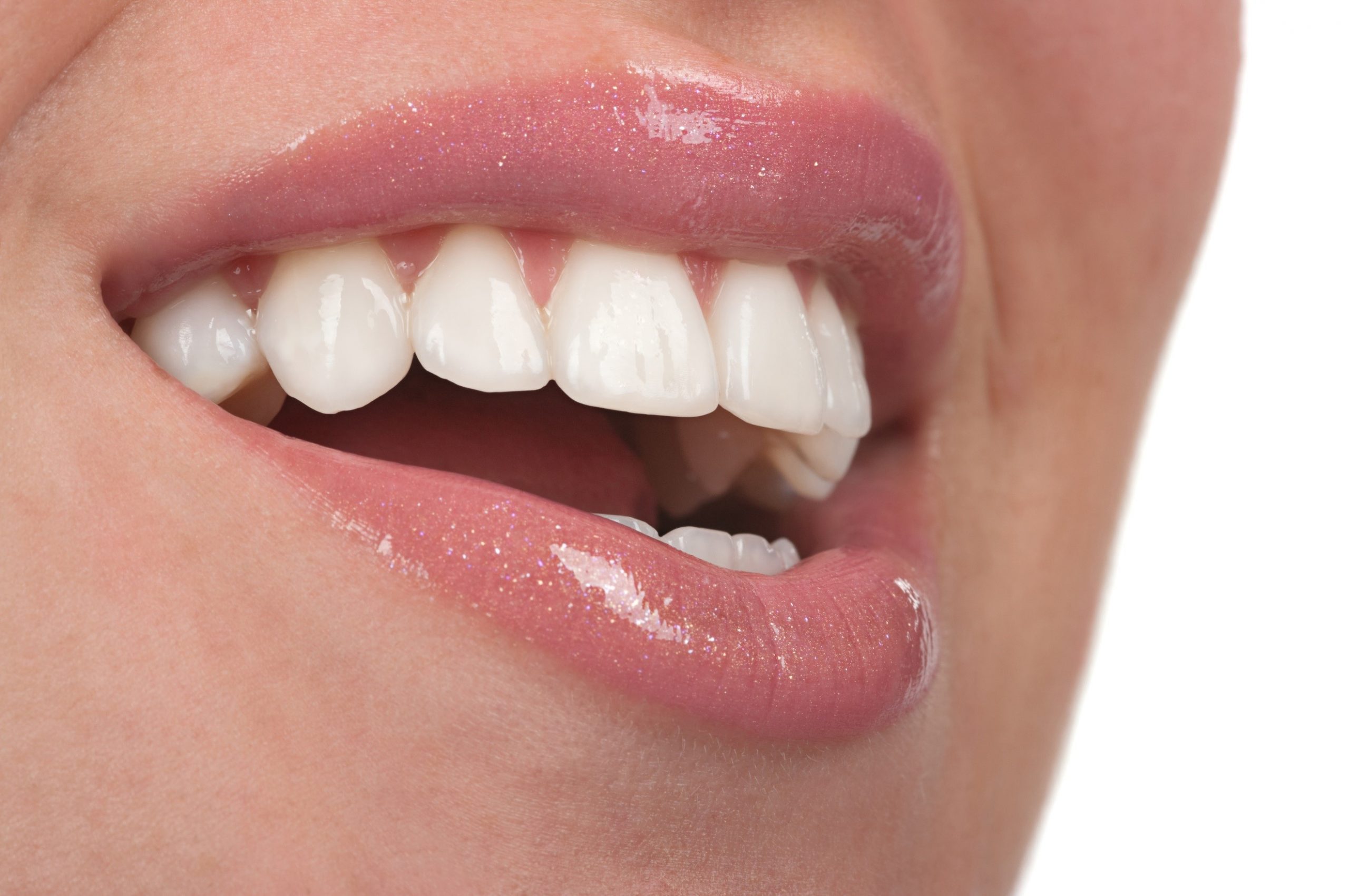
The medical term for abnormally small teeth — or teeth that look unusually diminutive — is microdontia. Some individuals will use the expression “short teeth” to describe this occurrence.
Microdontia of one or two teeth happens commonly, but microdontia of all teeth is uncommon. It can appear without other symptoms, though it’s sometimes linked to genetic conditions.
Types of microdontia
There are several varieties of microdontia:
True generalized
True generalized is the rarest form of microdontia. It usually affects individuals with a condition such as pituitary dwarfism and leads to a collection of uniformly smaller teeth.
Relative generalized
Someone with relatively large jaws or a protruding jaw might receive a diagnosis of relative generalized microdontia.
The essential idea here is “relative,” since the oversized jaw makes the teeth appear smaller even though they aren’t.
Localized (focal)
Localized microdontia denotes a single tooth that’s smaller than usual or smaller in comparison with neighboring teeth. There are several subtypes of this form of microdontia, too:
- microdontia of the tooth’s root
- microdontia of the crown
- microdontia of the entire tooth
The localized variant is the most common form of microdontia. Typically, it affects teeth situated in the maxilla, or the upper jawbone.
The maxillary lateral incisor is the tooth most prone to involvement.
Your maxillary lateral incisors are the teeth directly beside your upper two central incisors. The shape of the maxillary lateral incisor may be normal, or it could be peg-shaped, but the tooth itself is smaller than anticipated.
It’s also possible to have one smaller lateral incisor on one side and a missing permanent adult lateral incisor on the other side that never developed.
You might be left with a primary baby lateral in its place or no tooth at all.
The third molar, or wisdom tooth, is another type of tooth that’s sometimes affected, and it may appear markedly smaller than the other molars.
Causes of small teeth
Most people have an isolated instance of microdontia. Yet in some rare cases, a genetic syndrome underpins the condition.
Microdontia typically results from a combination of inherited and environmental factors. The conditions linked with microdontia include:
- Pituitary dwarfism. One of several types of dwarfism, pituitary dwarfism can produce what experts call true generalized microdontia, since all the teeth seem uniformly smaller than average.
- Chemotherapy or radiation.Chemotherapy or radiation during infancy or early childhood before age 6 can affect tooth development, leading to microdontia.
- Cleft lip and palate. Babies may be born with a cleft lip or palate if their lip or mouth doesn’t form properly during pregnancy. A baby can have a cleft lip, cleft palate, or both. Dental irregularities are more common in the cleft region, and microdontia may be seen on the side of the cleft.
- Congenital deafness with labyrinthine aplasia, microtia, and microdontia(LAMM) syndrome. Congenital deafness with LAMM affects the development of teeth and ears. People born with this condition might have very small, underdeveloped outer and inner ear structures, as well as very small, widely spaced teeth.
- Down Syndrome.Research suggests that dental irregularities are common among children with Down syndrome. Peg-shaped teeth are frequently observed with Down syndrome.
- Ectodermal dysplasias. Ectodermal dysplasias are a group of genetic disorders that affect the formation of skin, hair, and nails and can also result in smaller teeth. Teeth are commonly conical-shaped, and many may be missing.
- Fanconi anemia. Individuals with Fanconi anemia have bone marrow that doesn’t produce enough blood cells, resulting in fatigue. They may also exhibit physical abnormalities such as short stature, eye and ear anomalies, misshapen thumbs, and malformations of the genitalia.
- Gorlin-Chaudhry-Moss syndrome. Gorlin-Chaudhry-Moss syndrome is a very rare condition characterized by premature closure of the cranial bones. This leads to head and facial abnormalities, including a flattened midface and small eyes. People with this syndrome often experience hypodontia, or missing teeth, as well.
- Williams syndrome. Williams syndrome is a rare genetic disorder that can influence facial development. It can result in features such as widely spaced teeth and a broad mouth. The syndrome can also cause other physical issues like heart and blood vessel problems, along with learning challenges.
- Turner syndrome. Turner syndrome, also known as Ullrich-Turner syndrome, is a chromosomal condition affecting females. Common features include short stature, a webbed neck, heart defects, and early ovarian failure. It can also cause a reduction in tooth width.
- Rieger syndrome. Rieger syndrome is a rare genetic condition that leads to eye abnormalities, underdeveloped or missing teeth, and additional craniofacial malformations.
- Hallermann-Streiff syndrome. Hallermann-Streiff syndrome, also called oculomandibulofacial syndrome, causes skull and facial malformations. An individual with this syndrome may present a short, broad head with an underdeveloped lower jaw, among other traits.
- Rothmund-Thomson syndrome. Rothmund-Thomson syndrome presents as redness on a baby’s face that then spreads. It can cause slow growth, thinning skin, and sparse hair and eyelashes. It can also potentially lead to skeletal irregularities and abnormalities of the teeth and nails.
- Oral-Facial-Digital syndrome. The subtype of this genetic disorder known as type 3, or Sugarman, syndrome can cause malformations of the mouth, including the teeth.
Microdontia can occur in other syndromes as well and is often seen alongside hypodontia, which means fewer teeth than normal.
When to see a dentist or doctor?
Teeth that are unusually small or small teeth with wide gaps between them might not align properly.
You or your child could be at higher risk for accelerated wear on other teeth, or food may readily get lodged between teeth.
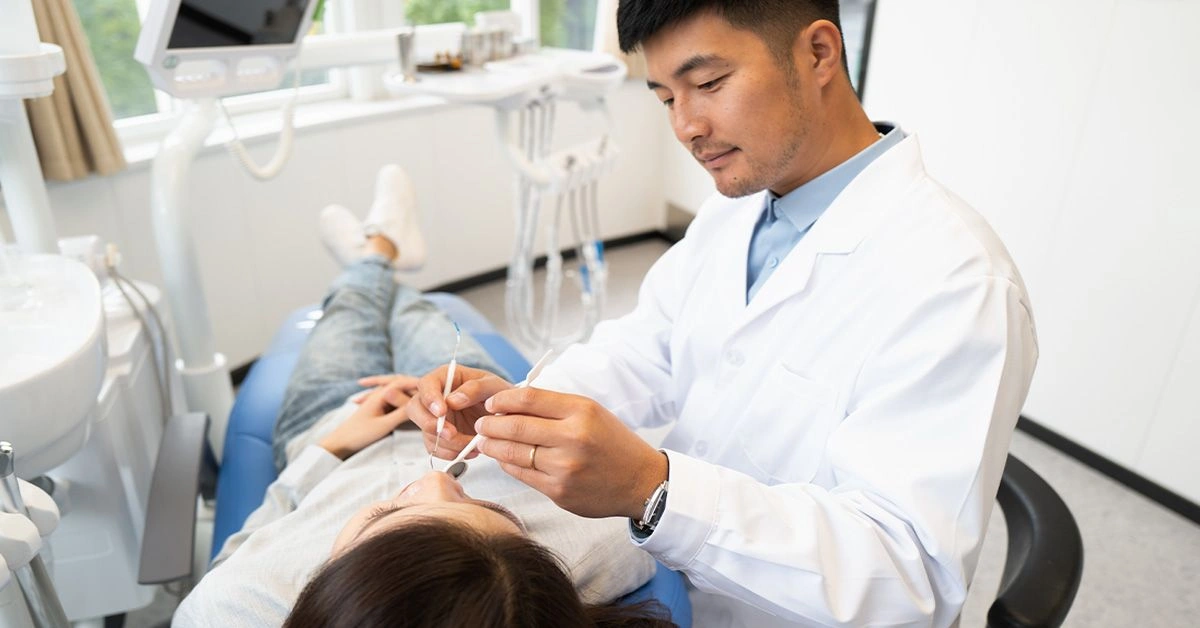
If you experience any jaw or tooth pain, or notice damage to your teeth, schedule an appointment with a dentist who can evaluate your teeth and decide if any treatment is required. If you don’t already have a dentist, the Healthline FindCare tool can help you locate one nearby.
Most of the time, localized microdontia doesn’t necessitate intervention.
Treating microdontia
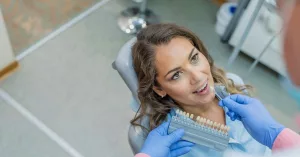
If your concern is cosmetic — meaning you want to conceal the appearance of your microdontia and present a uniform smile, a dentist can propose several options:

Veneers
Dental veneers are thin coverings typically made of porcelain or a resin-composite material. The dentist bonds the veneer to the front surface of your tooth to provide a more even, flawless look.
Crowns
Crowns go beyond veneers. Rather than a thin shell, a crown functions as a cap for your tooth and covers it completely — both front and back.
Sometimes, the tooth must be shaved down to fit the crown, but depending on the tooth’s size, that step might not be necessary.
Composites
This method is sometimes referred to as dental bonding, or composite bonding.
The clinician roughens the tooth’s surface and



















Leave a Reply
You must be logged in to post a comment.