
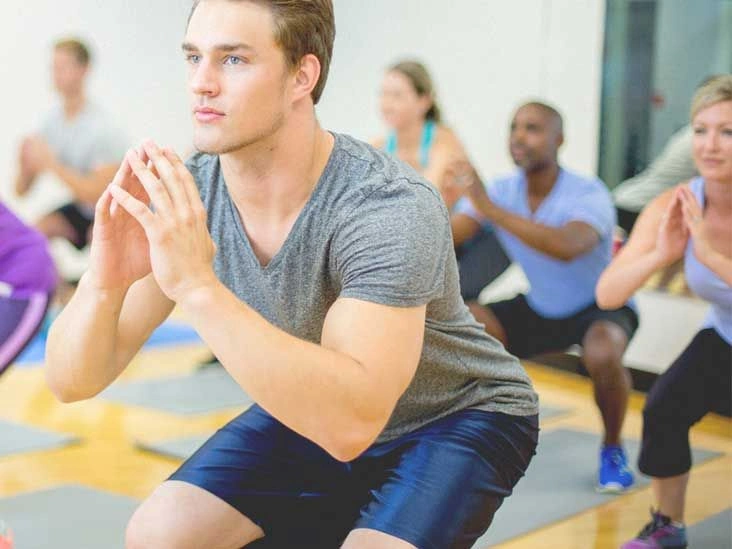
Air squats, sometimes called bodyweight squats, are a staple in training programs such as CrossFit and many exercise regimens. You should primarily feel the movement in your thighs and glute muscles.
Air squats use only your own body weight, whereas standard squats often incorporate extra resistance like barbells or dumbbells.
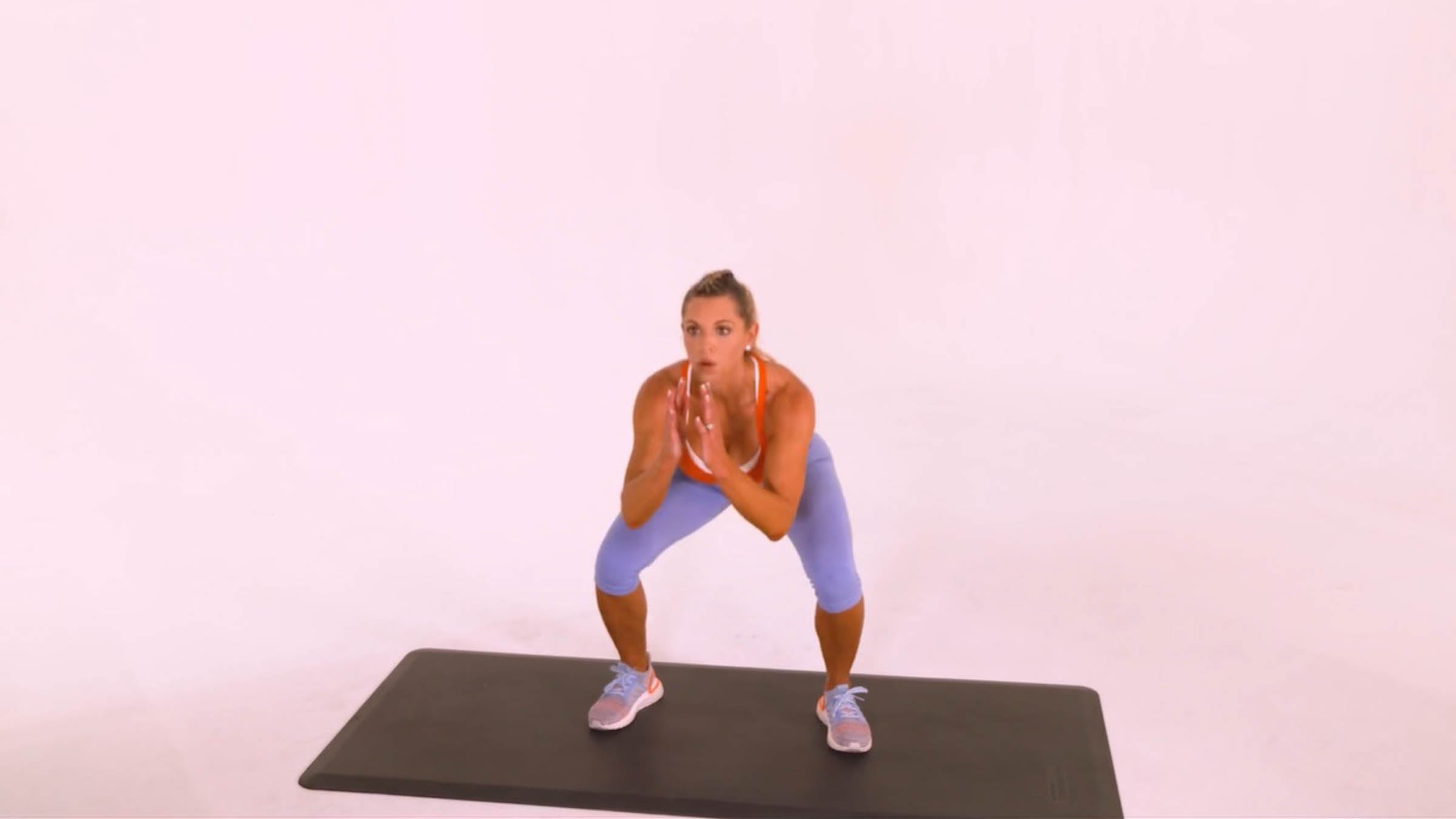
Performing air squats involves standing with your feet about shoulder-width apart and lowering your hips up and down in a controlled motion.
During an air squat, your hips will typically drop below the level of your knees.
For both air squats and weighted squats, when returning to standing you should drive through your heels and engage the glutes to rise back up.
Continue reading to learn more about air squats, including step-by-step instructions, their potential benefits, who might need to avoid them, and other key considerations.
How to do air squats: Proper form and safety
As with any exercise, maintaining correct technique when performing air squats is essential to gain the intended benefits and reduce the risk of injury.
This includes warming up and stretching beforehand, even if you’re only planning to do bodyweight squats.
To execute an air squat:
- Stand with your feet roughly shoulder-width apart, toes pointing forward.
- Lower into the squat by moving your hips down and back.
- Preserve your natural lumbar curve and keep your heels flat on the ground throughout the movement.
- Your hips should descend beneath the level of your knees in an air squat.
Key markers of proper air squat form include:
- Do not allow your knees to travel past your toes.
- Avoid rounding your lower back.
- Don’t let your shoulders collapse forward — the movement should originate from the lower body only.
- Keep your gaze fixed on a point ahead to help maintain an upright chest.
You might find it helpful to include squats and other resistance exercises in your routine about 2 days per week.
Benefits of air squats
Performing squats can help to:
- develop leg strength
- strengthen the hips
- improve joint stability by increasing muscular support
Air squats build a solid base of strength and balance in the lower body. They work the hamstrings, quadriceps, and glutes especially, assisting in muscle development in these areas.
Because they require balance, air squats also engage core muscles.
Air squats are an excellent starting point to learn proper squat mechanics. Once you have the technique down, you might decide to progress to weighted squat variations.
Who shouldn’t do air squats
There are circumstances where air squats may not be appropriate as part of your exercise plan.
If you can’t comfortably lower yourself into a full air squat, avoid forcing depth at the expense of safety. Instead, work within your current range and gradually increase squat depth over time.
If you experience knee pain, knee osteoarthritis, or low back pain, you should steer clear of deep squats.
Avoid squatting before consulting a clinician if you have sciatica, since the movement could place added pressure on the nerve and worsen symptoms.
It’s wise to check with your doctor before beginning a new exercise program. They can determine whether squats are appropriate for you and may refer you to a physical therapist for tailored guidance.
The bottom line
Air squats, or bodyweight squats, are performed by lowering your hips back and down while using only your body weight. Unlike other squat types, they do not require external loading.
Potential advantages of air squats include increased strength, enhanced joint stability, and better balance. Including squats and other resistance work a few times weekly can be beneficial.
Consult your physician prior to adding squats to your routine if you have issues like knee osteoarthritis or sciatica. A clinician can advise on safety and the likely benefits.
You may also want to work with a physical therapist to learn correct form and develop an exercise program tailored to your needs.




















Leave a Reply
You must be logged in to post a comment.