
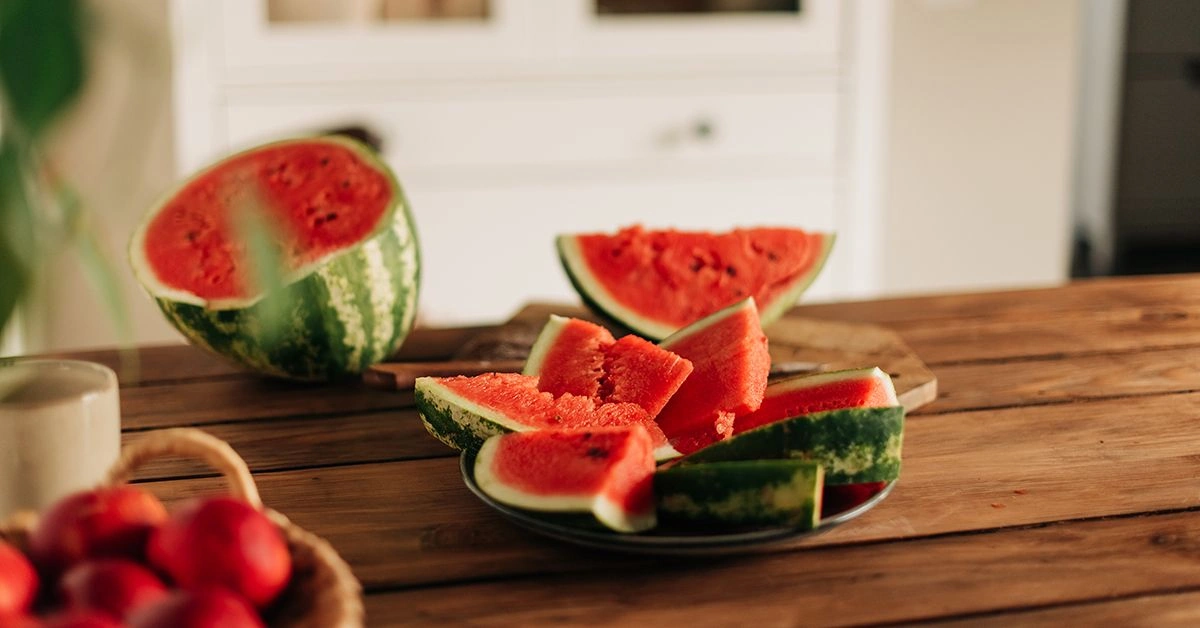
Consuming specific foods during your period — like fruit and leafy greens — can help ease symptoms, while others, such as spicy dishes and red meat, may intensify them.
Many people experience uncomfortable signs during menstruation. Certain foods and beverages can alleviate these issues, whereas some may aggravate them. Common symptoms include:
- abdominal cramps
- headaches
- nausea
- fatigue
- bloating
- mood swings
- diarrhea
If you suffer from any of these, incorporating certain items into your diet and cutting out others may help you feel better.
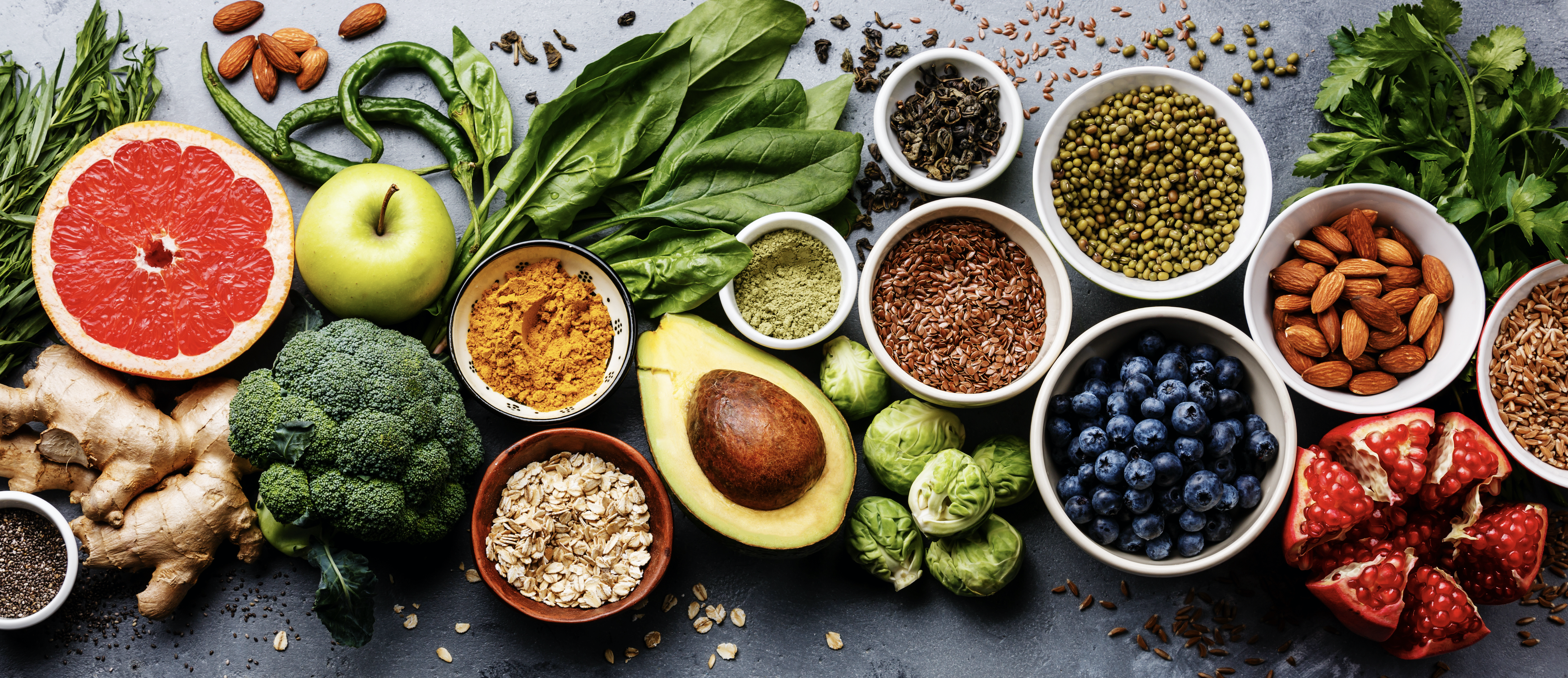
What to drink or eat
1. Water
Staying well hydrated is always important, and it’s particularly crucial during your period. Proper hydration can lower the risk of dehydration-related headaches, a frequent menstrual complaint.
Drinking enough water can also help prevent water retention and reduce bloating.
2. Fruit
Fruits high in water content, such as watermelon and cucumber, are excellent for maintaining hydration.
Sweet fruits can also satisfy sugar cravings without resorting to refined sugars, which tend to spike and then drop blood glucose levels.
3. Leafy green vegetables
It’s common to experience a reduction in iron during menstruation, especially with heavy bleeding. Low iron can cause tiredness, body aches, and lightheadedness.
Leafy greens like kale and spinach can help raise iron stores. Spinach is also a good source of magnesium.
4. Ginger
A hot cup of ginger tea may ease some menstrual symptoms. Ginger has anti-inflammatory properties that can calm sore muscles.
Ginger may also help with nausea. Although research is limited, a 2018 study reported that ginger helped reduce nausea and vomiting in early pregnancy. Given its safety and low cost, it’s worth trying.
Don’t overdo it though: consuming more than 4 grams of ginger in one day might cause heartburn and stomach discomfort.
5. Chicken
Chicken is a good source of iron and protein. Protein supports overall health and helps you feel full during your period, which can reduce cravings.
6. Fish
Fish provides iron, protein, and omega-3 fatty acids, making it a nutritious option. Eating iron-rich foods helps offset the decline in iron that can occur with menstruation.
A 2012 study found that omega-3s can lessen period pain; participants who took omega-3 supplements experienced reduced menstrual pain and were able to cut back on ibuprofen.
Another 2014 study suggested omega-3s can reduce depression. Those who have mood shifts or low mood around their cycle may find omega-3s beneficial.
7. Turmeric
Turmeric is prized for its anti-inflammatory effects, with curcumin being the active component. A 2015 study examined curcumin’s impact on PMS and found participants who used it had milder symptoms.
8. Dark chocolate
Dark chocolate is a delicious option that supplies iron and magnesium.
A 2010 study showed magnesium reduced PMS severity. A 2015 study found that magnesium deficiency was linked to more severe PMS symptoms.
9. Nuts
Many nuts contain omega-3 fatty acids and are a solid source of protein. They also supply magnesium and various vitamins.
If you prefer not to eat whole nuts, try nut butter, nut-based milks, or add them to smoothies.
10. Flaxseed oil
A small 2015 study found flaxseed oil helped relieve constipation, a common menstrual complaint. More research is needed to confirm how flaxseed oil affects digestive health.
11. Quinoa
Quinoa is packed with nutrients like iron, protein, and magnesium. It’s gluten-free, making it suitable for people with celiac disease.
It also has a low glycemic index, which helps you stay full and maintain energy for longer after eating.
12. Lentils and beans
Lentils and beans are protein-rich, making them excellent meat alternatives for vegetarians and vegans. They’re also high in iron, helpful if your iron levels are low.
13. Yogurt
Yeast infections can occur during or after menstruation for some people.
If you’re prone to yeast infections, probiotic foods like yogurt can support beneficial vaginal bacteria and may help combat these infections.
Yogurt also provides magnesium and other important nutrients, such as calcium.

14. Tofu
Tofu, produced from soybeans, is a common protein choice for plant-based eaters. It’s also rich in iron, magnesium, and calcium.
15. Peppermint tea
A 2016 study indicates peppermint tea may ease PMS symptoms, including menstrual cramps, nausea, and diarrhea.
16. Kombucha
Yogurt isn’t the only probiotic-rich choice. If you avoid dairy, kombucha is a fermented drink that offers probiotics and is increasingly accessible.
Try to pick kombucha with low added sugar.
What to limit or avoid
1. Salt
High salt intake can cause water retention and bloating. To reduce bloating, limit added salt and highly processed foods that are high in sodium.
2. Sugar
Having some sugar is fine in moderation, but excessive sugar can trigger an energy spike followed by a crash, which may worsen mood.
If you’re prone to feeling down or anxious during your period, moderating sugar intake can help stabilize your mood.
3. Coffee
Caffeine can contribute to water retention and bloating and may worsen headaches. However, sudden caffeine withdrawal can also cause headaches, so don’t abruptly stop if you normally drink several cups daily.
Coffee can also aggravate digestion; if you often experience diarrhea during your period, cutting back on coffee might help.
4. Alcohol
Alcohol can negatively impact the body in ways that amplify menstrual symptoms.
For instance, alcohol can dehydrate you, worsening headaches and causing bloating. It can also cause digestive upset like nausea and diarrhea.
Additionally, hangovers can produce symptoms similar to those of menstruation, such as:
- headaches
- nausea
- vomiting
- diarrhea
- fatigue
5. Spicy foods
Spicy dishes can upset the stomach for many people, causing diarrhea, abdominal pain, and nausea.
If your digestive system doesn’t tolerate spicy foods well, or if you rarely eat them, it may be wise to avoid them during your period.
6. Red meat
Although red meat is iron-rich, it also contains prostaglandins.
Your body produces prostaglandins during menstruation to help the uterus contract and shed its lining. However, higher prostaglandin levels can increase cramping.
7. Anything you don’t tolerate well
This may seem obvious, but it’s important: avoid foods that trigger sensitivities, especially when you’re menstruating.
If you’re lactose intolerant, indulging in dairy occasionally might be tempting, but during your period it’s particularly important to steer clear of foods that cause adverse reactions.
Eating foods that don’t agree with you can provoke nausea, constipation, or diarrhea, adding to discomfort during a painful period.
The bottom line
The best foods and drinks for you will depend on your individual symptoms and food sensitivities.
If your periods are extremely painful or impair your ability to function, schedule an appointment with a healthcare professional. Severe symptoms could indicate an underlying condition that needs medical attention.


















Leave a Reply
You must be logged in to post a comment.