
Overview
Gum tissue is naturally delicate and sensitive, which means a variety of factors can lead to sore gums. You may experience pain between teeth, on the surface of some teeth, or across the entire gum line. Sometimes the discomfort is confined to the rear of the mouth.
Sore gums can be swollen or bleed, but they don’t always show visible signs. No matter the underlying cause, you might notice that pain worsens when brushing or flossing. Using a strong mouthwash, particularly one with alcohol, can also increase discomfort.
Keep reading to explore common reasons for sore gums.

Oral health conditions
Gingivitis
Gingivitis is a mild and common form of gum disease that leads to inflammation, redness, and irritation of the gums, primarily near the base of the teeth. Gingivitis can make gums fragile and prone to bleeding, resulting in soreness.
Other signs of gingivitis include:
- receding gums
- tender gums
- persistent bad breath
- gums that appear swollen
Gingivitis most often stems from inadequate oral hygiene, like not brushing or flossing regularly. While it’s not usually severe, it can progress to a more serious gum disease if left unchecked. Prompt treatment is recommended. Typically, a professional dental cleaning combined with consistent brushing and flossing resolves the issue.
Thrush
Oral thrush is a fungal infection of the mouth caused by an overgrowth of the fungus Candida — the same organism that can cause yeast infections. It’s common in infants, older adults, and people who spend extended periods in hospitals.
Thrush shows up as white patches on the tongue or inner cheeks, sometimes described as resembling cottage cheese. These patches can occasionally extend to the gums, tonsils, or the roof of the mouth. When they affect the gums, you may notice soreness or irritation.
Treatment for oral thrush involves antifungal medications, which may be provided as pills, lozenges, or medicated mouth rinses.
Worried about thrush? Learn about six other signs of Candida overgrowth.
Periodontitis
Periodontitis is a more advanced, long-term gum disease that can arise from untreated gingivitis. It’s an infection driven by plaque buildup that attacks the tissues and bone that support teeth, causing gum recession and tooth looseness.
Although it generally progresses slowly, periodontitis can also develop rapidly. Its primary symptom is gum soreness, and it may also cause:
- swollen gums
- red or purplish gums
- bleeding gums
- gum abscesses
- new gaps between teeth from receding gums
- pain when chewing
- chronic bad breath
- changes in how your teeth fit together
Treatment for periodontitis typically involves advanced dental cleanings such as scaling and root planing that remove bacteria beneath the gum line. Following these treatments, maintaining regular brushing and flossing is essential to prevent recurrence.
Causes in women
Hormonal changes
Hormonal fluctuations, including those from certain birth control methods and puberty, can influence how blood is supplied to your gums. These shifts make gum tissue more sensitive and susceptible to irritation and damage.
Hormones also affect your body’s response to toxins produced by plaque.
Additional signs of hormone-related gum issues include:
- reddened gums
- swollen gums
- sore gums
- gums that bleed easily
If you suspect your gum soreness is hormone-related, discuss it with your dentist. They may offer medication to help balance hormones or recommend strategies to manage sensitive gums.
Pregnancy
Pregnancy involves significant hormonal surges that can affect oral health. Elevated progesterone levels can change how your body handles toxins and bacteria from plaque, increasing infection risk.
Pregnancy gingivitis is common; increased blood flow to the gums due to hormonal shifts causes swelling, irritation, and soreness. You may also notice:
- sore gums
- bleeding gums
- red gums
- puffy, inflamed gums
Pregnancy-related gum soreness usually improves after childbirth once hormone levels normalize. Nevertheless, it’s recommended to have at least one professional dental cleaning during pregnancy and to be extra diligent with oral hygiene to reduce symptoms.
Menopause
Menopause brings bodily changes that include effects in the mouth. After menopause, you might experience:
- altered taste
- a burning feeling in the mouth
- heightened sensitivity to hot and cold foods
- less saliva production leading to dry mouth
Saliva helps keep the mouth moist and clears toxins and bacteria from plaque. Reduced saliva increases the risk of periodontitis and can make gums more sensitive, leading to soreness and inflammation.
If your mouth seems dry, try sucking on ice chips or sugar-free hard candy to boost moisture. You can also use a mouthwash or spray formulated to relieve dry mouth.
Optum Now is operated by RVO Health. By clicking on this link, we may receive a commission. Learn more.
Other causes
Canker sore
Canker sores are small lesions that can form on or under the tongue, inside the lips and cheeks, and at the base of the gums. They appear as little white spots and are usually quite tender. Canker sores may occur singly or in small clusters.
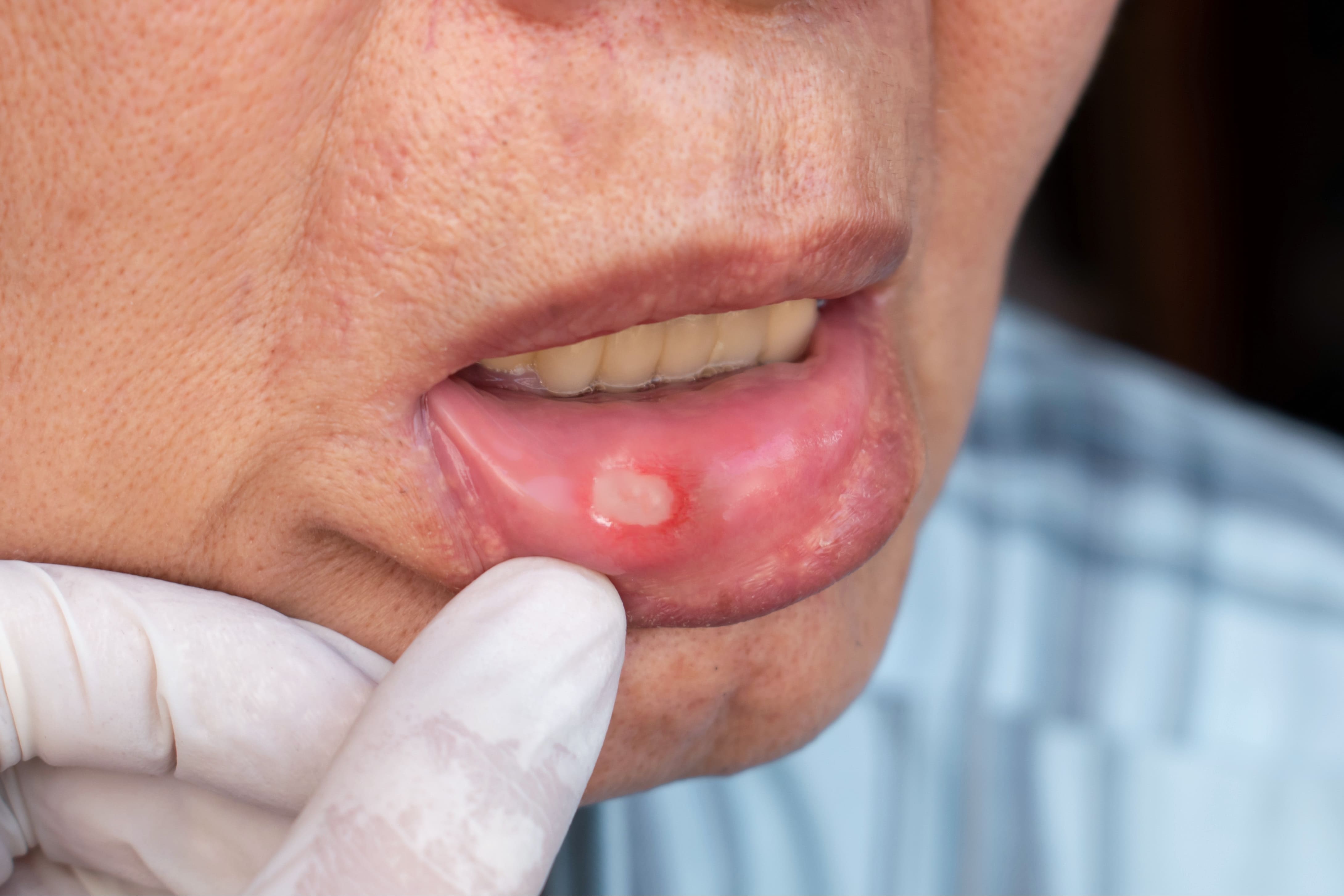
Most canker sores resolve on their own within a few days. Meanwhile, applying an oral analgesic can help numb the area temporarily and ease pain.
Dental appliances
Braces, dentures, retainers, and mouthguards can all irritate gum tissue. If these devices are broken or poorly fitted, they can rub against and harm sensitive gums. Besides soreness, you might notice indentations or marks on your gums where the appliance contacts them.
Gum irritation can also stem from chemicals in cleaning solutions or adhesives used with appliances. Try changing your cleaning product or adhesive to see if symptoms improve. If not, consult your dentist to adjust the fit of the appliance or recommend a product like dental wax to reduce friction and irritation.
The bottom line
Sore gums shouldn’t be ignored. Gingivitis and periodontitis can be treated effectively when identified early. Delaying care increases the chance of long-term damage.
See your dentist if symptoms persist or worsen. Keep up with annual dental cleanings and make sure you brush and floss at least twice daily.




















Leave a Reply
You must be logged in to post a comment.