
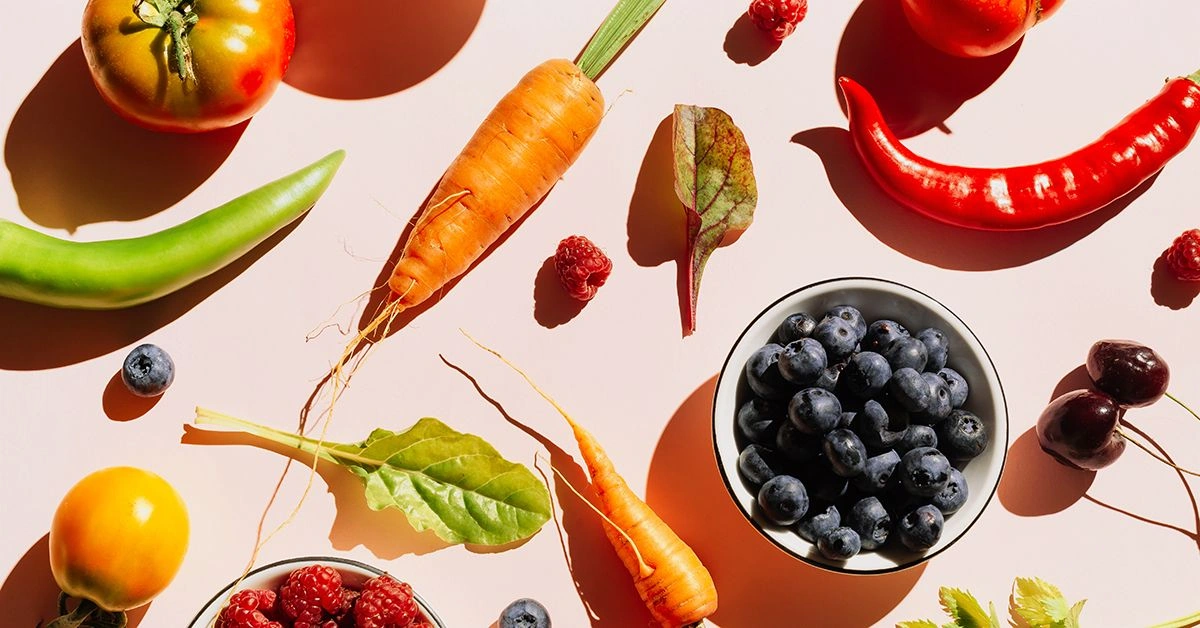
Following a diet low in phenylalanine can prevent intellectual disability and other complications in people with phenylketonuria. The meal plan emphasizes low-protein choices and excludes high-protein items.
Phenylketonuria (PKU) is a genetic disorder in which a mutation leads to reduced or absent activity of the enzyme phenylalanine hydroxylase (PAH). PAH normally helps break down the amino acid phenylalanine (Phe).
In individuals with PKU, Phe builds up in the body. Because Phe is harmful to brain tissue, children born with PKU can develop intellectual disability if treatment isn’t begun soon after birth.
The primary approach to managing PKU is a specialized diet that reduces Phe intake while ensuring adequate overall nutrition. Continue reading to learn more about the PKU dietary approach.
What is the goal of a phenylketonuria diet?
The PKU diet is a lifelong nutritional strategy. The objectives of the PKU diet are:
- Limiting natural Phe consumption: Amino acids form proteins, so Phe is present in protein-containing foods. Therefore, individuals with PKU need to follow a low-protein diet.
- Using a protein replacement: While the diet aims to curb Phe intake, it remains essential for people with PKU to obtain other amino acids. This is commonly achieved with a protein substitute formula.
- Preserving good nutritional status: Ensuring balanced nutrition is vital. You may need vitamins and mineral supplements or have them included in the protein substitute formula to meet nutritional needs.
PKU care typically targets keeping blood Phe levels within about 120–360 micromoles per liter (umol/L).
If you have PKU, your clinician will frequently check blood Phe levels. This requires a small finger-prick blood sample placed onto a special card, which is then sent to a laboratory for analysis.
A dietitian will collaborate with you to create a PKU meal plan tailored to your needs and may modify it over time. For instance, blood Phe concentrations and nutritional requirements can shift during growth spurts.
Why adhering to a phenylketonuria diet matters
Studies show that staying on a low-Phe diet lowers Phe levels and helps prevent intellectual disability and other neurological complications in people with PKU.
Discontinuing the PKU diet allows Phe to accumulate again, which may cause various neurological problems, including:
- intellectual disability
- challenges at school or in the workplace
- changes in behavior or mood
- problems with memory, concentration, or problem-solving
- difficulties with visual-motor coordination
- tremors
- fatigue
What foods can a person with phenylketonuria eat?
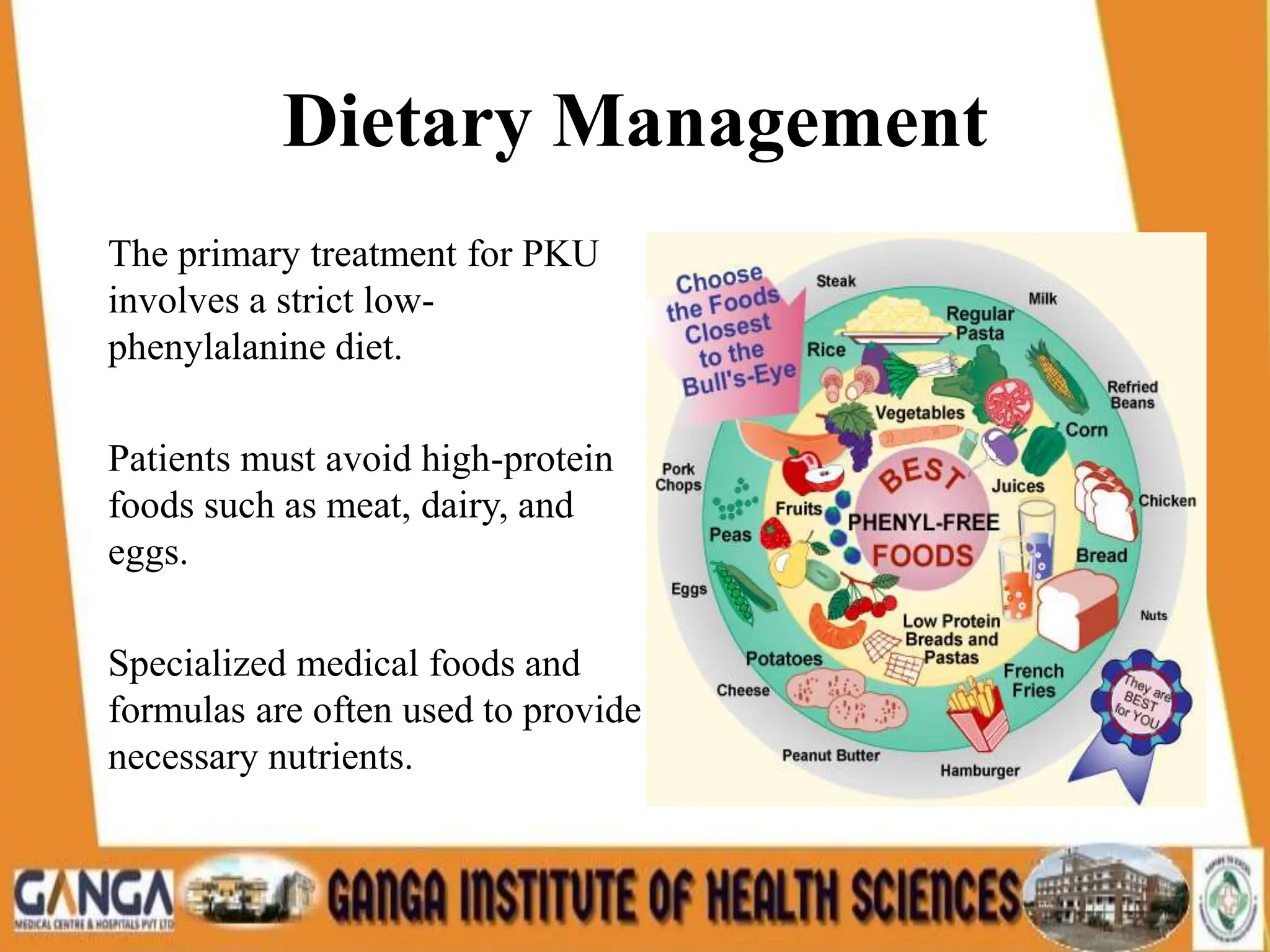
Foods suitable for many people with PKU include:
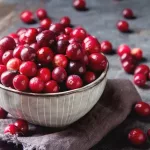
- most fruits and vegetables
- sugars such as honey, jams, and syrups
- fats like butter, margarine, and vegetable oils
- low-protein starches including cornstarch, tapioca, and arrowroot
- herbs and spices
- beverages like coffee, green or black tea, and fruit juices
Phe is an essential amino acid that the body cannot make on its own, so it must be obtained from food. As a result, Phe cannot be entirely removed from the diet.
To provide some dietary Phe, people with PKU may consume carefully controlled amounts of certain foods such as potatoes or cereals.
Also, specially formulated low-protein substitutes for people with PKU are available and can be prescribed by your physician. Examples include:
- flour mixes
- breads
- pastas
- pizza crusts
- egg and milk replacements
How to calculate the phenylalanine content in a food
Your dietary plan will specify a daily Phe allowance — the total amount of Phe you may consume in a day. The daily Phe allowance varies among individuals with PKU.
There are multiple methods to estimate the Phe content of foods, and there’s limited evidence favoring one approach over another. This online booklet offers useful guidance on calculating protein exchanges and Phe values.
Your clinician can also give you a protein exchange card and suggest apps that help you monitor daily Phe intake.
What foods should a person with phenylketonuria avoid?
Since Phe is found in protein, people with PKU must avoid high-protein foods. These include:
- meat and poultry
- fish
- eggs
- milk and cheese
- nuts and seeds
- beans
- lentils
- grains such as wheat, oats, rye, barley, and quinoa
- gelatins
- soy products
People with PKU should also avoid the artificial sweetener aspartame because the body converts it into Phe.
Takeaway
The principal strategy for managing PKU is a low-Phe diet. Adhering to the PKU diet helps keep blood Phe levels low and prevents complications such as intellectual disability and other neurological issues.
Because Phe is present in protein, this requires eating a low-protein diet. People with PKU can consume most fruits and vegetables as well as sugars, fats, and low-protein starches, while steering clear of foods like meats, eggs, and dairy.
All dietary plans should be developed with your healthcare provider.
Since Phe is an essential amino acid, it remains necessary to include some Phe in the diet for those with PKU. Each person with PKU has an individualized daily Phe allowance. Your doctor can teach you methods to track your daily Phe intake.
















Leave a Reply
You must be logged in to post a comment.