
Consistent physical activity can increase endurance and flexibility while strengthening both body and mind. Effective gear and routines don’t need to be complicated to deliver real benefits.
Working out matters for people at every age, and it’s particularly crucial for older adults.
We spoke with a weightlifting coach to find out more about the top exercise tools for seniors.
Strength-training gear
When people picture strength training, they often imagine heavy barbells piled high with plates.
In reality, strength work comes in many forms, including programs that use resistance bands and light dumbbells.
Resistance bands
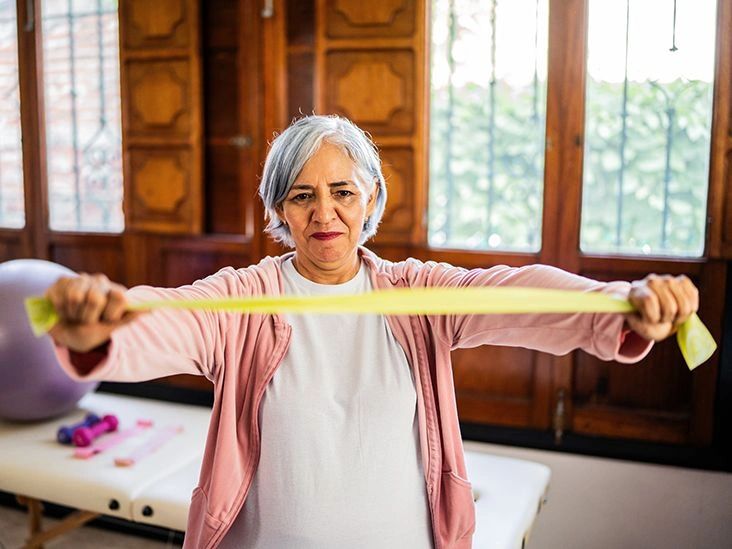
Resistance bands are appealing because they’re so adaptable. They’re sold in multiple resistance levels, allowing you to begin gently and move up as you get stronger. Thicker bands provide greater resistance.
Sets frequently include several resistance options, so you’ll have what you need when you’re ready to progress.
“I’ve found resistance bands to be a staple for seniors because they’re adaptable and deliver low-impact, joint-friendly workouts,” says weightlifting coach Jarrod Nobbe.
Nobbe recommends keeping movements controlled to preserve tension and emphasizes the importance of correct technique.
He also warns against overstretching bands, since that can cause injury.
Another advantage is their portability—you can slip bands into a bag for an easy workout while traveling.
Light dumbbells
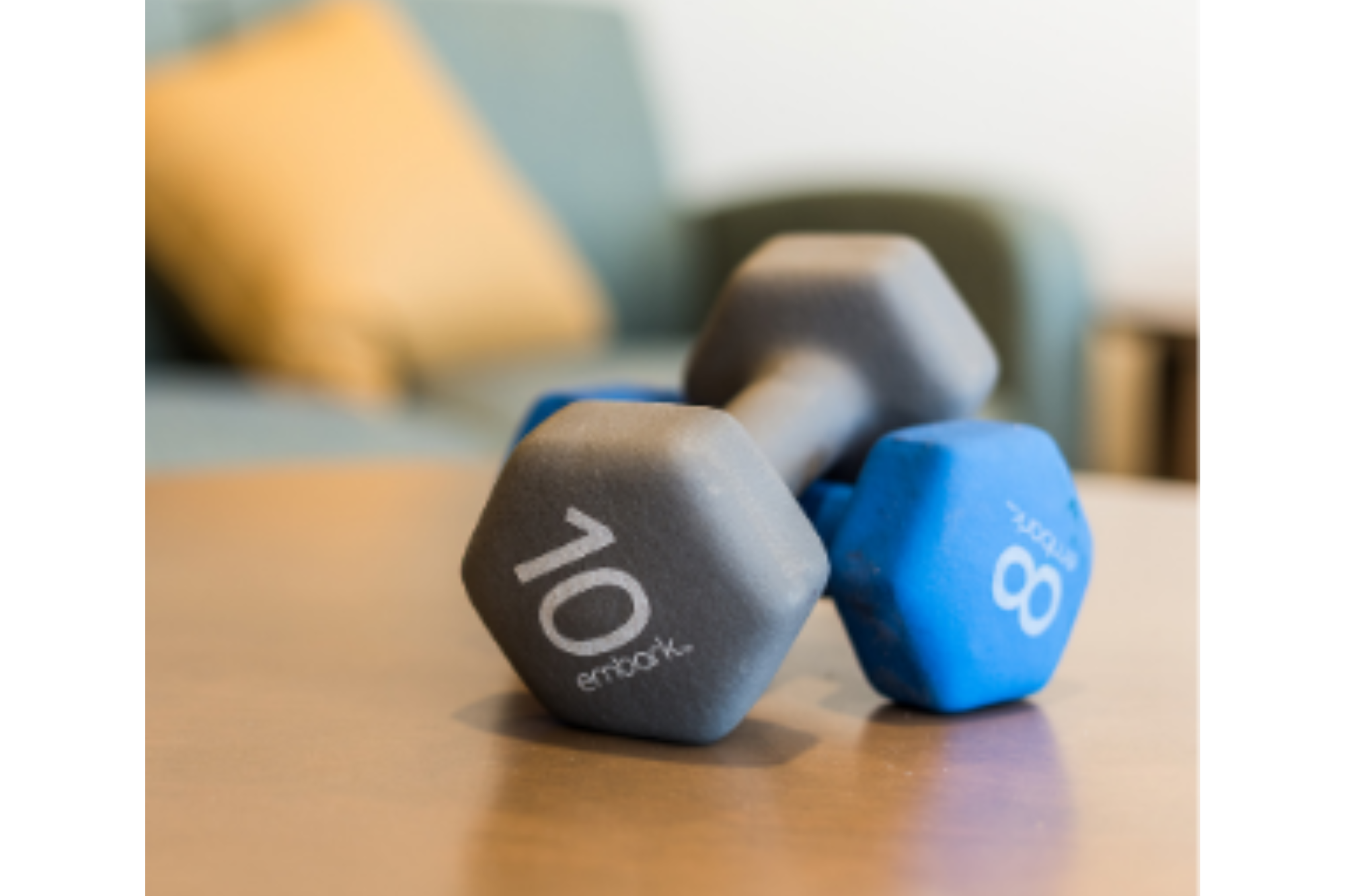
Light dumbbells are widely available in stores and are budget-friendly.
Nobbe notes that although they’re lightweight, these dumbbells help develop strength without placing excessive strain on the joints.
They’re useful for a variety of moves, such as:
- biceps curls
- shoulder presses
- gentle squats
Nobbe stresses starting with a manageable weight, concentrating on technique and slow, purposeful motions.
“I typically suggest seniors begin light and increase weight gradually to prevent muscle or tendon strain. Watch grip strength; some people benefit from ergonomically shaped handles for easier holding,” he explains.
Choose a weight that feels comfortable initially — dumbbells can start around 2 pounds (lb).
Cardio equipment
Cardiovascular activity supports heart health and can also improve sleep and lift mood.
Walking outdoors or gardening are free ways to increase circulation, but indoor cardio machines are handy when weather turns bad.
Stationary bikes
Cycling is generally easy on the joints and helps preserve a wide range of motion.
“Stationary bikes, especially recumbent versions, provide a safe and effective way for seniors to get cardio without stressing the knees and hips,” Nobbe says.
Recumbent bikes give more back support than upright bikes. If you feel comfier in a reclined posture, this may be the better pick.
Walking pads
Walking pads resemble treadmills but are far more compact and simpler to store.
Many models slide under a bed when not in use, or they can tuck neatly into a corner without occupying much space.
Nobbe calls walking pads an excellent indoor, low-impact cardio option. They deliver a smooth walking surface without the harsh impact of outdoor terrain.
“Seniors can set the speed to their comfort level, making it accessible for varied fitness abilities,” he says. He also mentions that some walking pads include handrails for extra stability.
Before buying, examine the features and read product reviews (and return policies) so you know what to expect.
Rowing machines
Rowers tend to be the priciest items on this list but may offer the most engaging investment. They provide a full-body workout while remaining low impact.
Again, correct technique matters. Nobbe warns that poor form on a rowing machine can result in back strain.
“I recommend beginning with low resistance, driving with the legs, and keeping a straight back during each stroke,” he explains.
He adds that rowing machines suit seniors who already have exercise experience, while beginners should seek professional instruction before trying them out.

Balance and flexibility tools
Balance and flexibility can be improved at home with a few basic items like stability balls and balance boards.
Stability balls
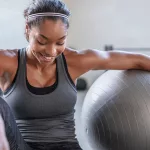
Nobbe says stability balls can be a useful part of a senior’s routine, aiding core strength and balance.
“They’re particularly handy for moves like seated marches or wall-supported squats.”
However, he advises selecting the right ball size for your height, and beginners may want to exercise near a solid surface for extra support.
“I always make sure seniors feel secure on the ball before moving to more advanced exercises,” he adds.
Balance boards
Balance boards are chosen by many to boost stability and coordination.
You can practice on them with or without added weight, concentrating on upper-body control and core engagement.
They’re not recommended for those currently struggling with balance to avoid falls.
“I suggest starting with a sturdy support nearby — like a chair or wall — until confidence grows,” Nobbe advises regarding balance-board workouts.
“Small, controlled movements are best to reduce fall risk, and supervision is important for those new to balance training.”
Yoga and stretching aids
While yoga can be deeply calming and help prepare the body and mind for better sleep, it can also be quite demanding. It helps build flexibility and sometimes even gets you sweating.
A few simple props make getting into poses more comfortable.
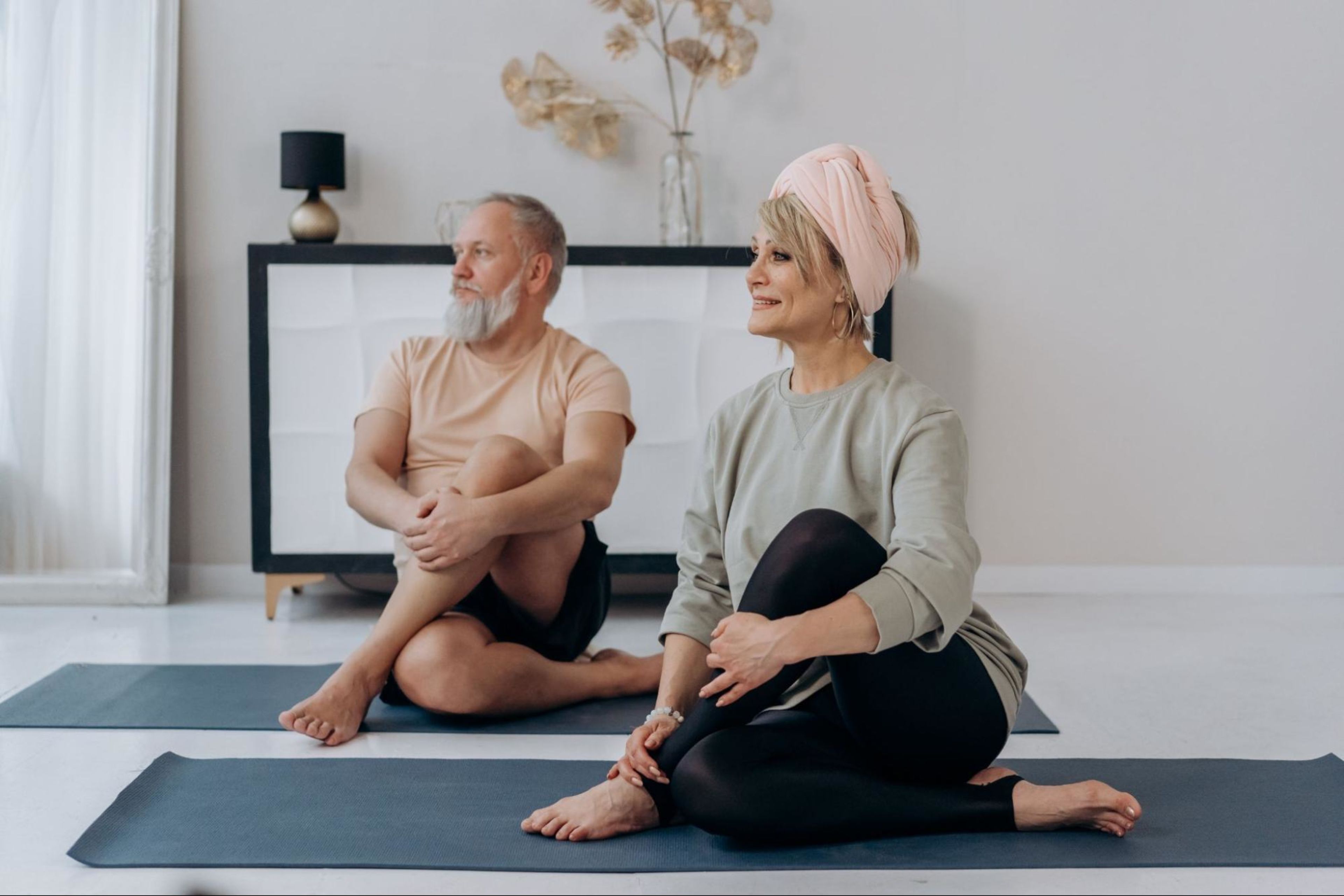
A yoga mat, for instance, is essential for comfortable, safe stretching.
Choosing the right mat can dramatically improve comfort and stability.
Nobbe recommends mats with extra padding to lessen pressure on knees and wrists.
He also says nonslip surfaces are critical to prevent sliding during poses or stretches.
Yoga blocks and straps are useful tools to enhance flexibility and preserve correct alignment.
Nobbe explains blocks help reach the floor in standing poses without straining, while straps aid deeper stretches.
“These props are especially beneficial for those with limited flexibility or healing from injury. I’ve seen clients use blocks to adapt poses so they can enjoy the benefits without overstretching,” he says.
“Move slowly, concentrate on breathing, and proceed at your own pace,” Nobbe recommends for yoga practice.
The bottom line
Exercise gear for seniors can be affordable and enjoyable. Resistance bands, for example, are convenient and portable, while a walking pad helps you stay active indoors on rainy days. For more suggestions on helpful items, check out our best products for seniors.
As with anyone, using correct form and stretching reduces the risk of serious injuries like strains or tears.
If you’re uncertain about which level to begin with on any piece of equipment, adopt a low-and-slow approach and gradually increase intensity to avoid overtaxing muscles or irritating joints.
Also, many senior centers offer access to workout gear and may provide free or low-cost classes where you can learn proper technique and suitable routines for older adults.












Leave a Reply
You must be logged in to post a comment.