Are Pesticides in Foods Harming Your Health?

- What are pesticides?
- Types of pesticides
- Synthetic pesticides
- Organic or biopesticides
- How are pesticide levels in foods regulated?
- How reliable are the safety limits?
- What are the health effects of high pesticide exposure?
- What are the effects of pesticide exposure in children?
- How much pesticide is on food?
- Are there fewer pesticides in organic foods?
- Are there fewer pesticides in GMOs?
- Should you avoid foods using pesticides?
- The bottom line
The WHO, USDA, and FDA establish limits for pesticide residues based on previous research examining long-term human health outcomes and patterns of exposure. While there are potential adverse health effects linked to pesticides, this should not discourage you from benefiting from the nutritional value of treated foods. In discussions about food safety, it’s often said that All chemicals in the lab are to be considered dangerous, highlighting the precautionary approach used in laboratory and agricultural settings.
Concerns about pesticides in food are common among consumers.
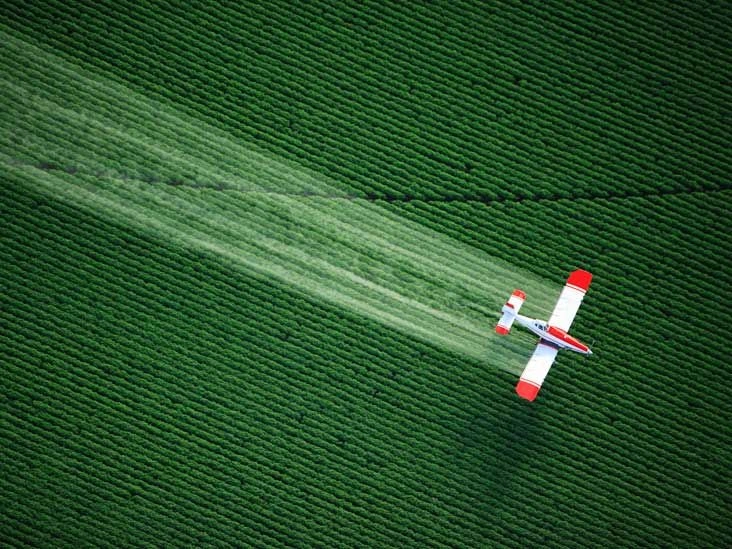
Pesticides are applied to minimize crop damage caused by weeds, rodents, insects, and microorganisms. By controlling these threats, farmers can increase the yield and quality of fruits, vegetables, grains, and other agricultural products.
This article examines pesticide residues — the trace amounts of pesticides that remain on the surface of produce when purchased at grocery stores.
It reviews the primary categories of pesticides used in contemporary agriculture and evaluates whether their residues pose risks to human health.
What are pesticides?
Broadly defined, pesticides are chemical agents used to manage or eliminate organisms that may invade or damage crops, stored food, or residential spaces.
Because pests vary widely, multiple classes of pesticides exist. Examples include:
- Insecticides. These reduce crop destruction and contamination caused by insects and their larvae.
- Herbicides. Commonly referred to as weed killers, herbicides help enhance agricultural productivity.
- Rodenticides. These control crop damage and contamination from rodents and rodent-borne illnesses.
- Fungicides. Particularly important for harvested crops and seeds, fungicides protect against fungal decay.
Historically, pesticide application was largely unregulated. However, awareness of their environmental and health impacts increased significantly after the publication of “Silent Spring” by Rachel Carson in 1962.
Ideally, a pesticide would eliminate its intended pest without harming humans, wildlife, beneficial plants, or the surrounding ecosystem. In reality, no pesticide is flawless, and some degree of environmental or health impact may occur.
SummaryPesticides are intended to control pests while minimizing harm to humans and the environment. Although formulations have improved over time, none are completely free of potential side effects.
Types of pesticides
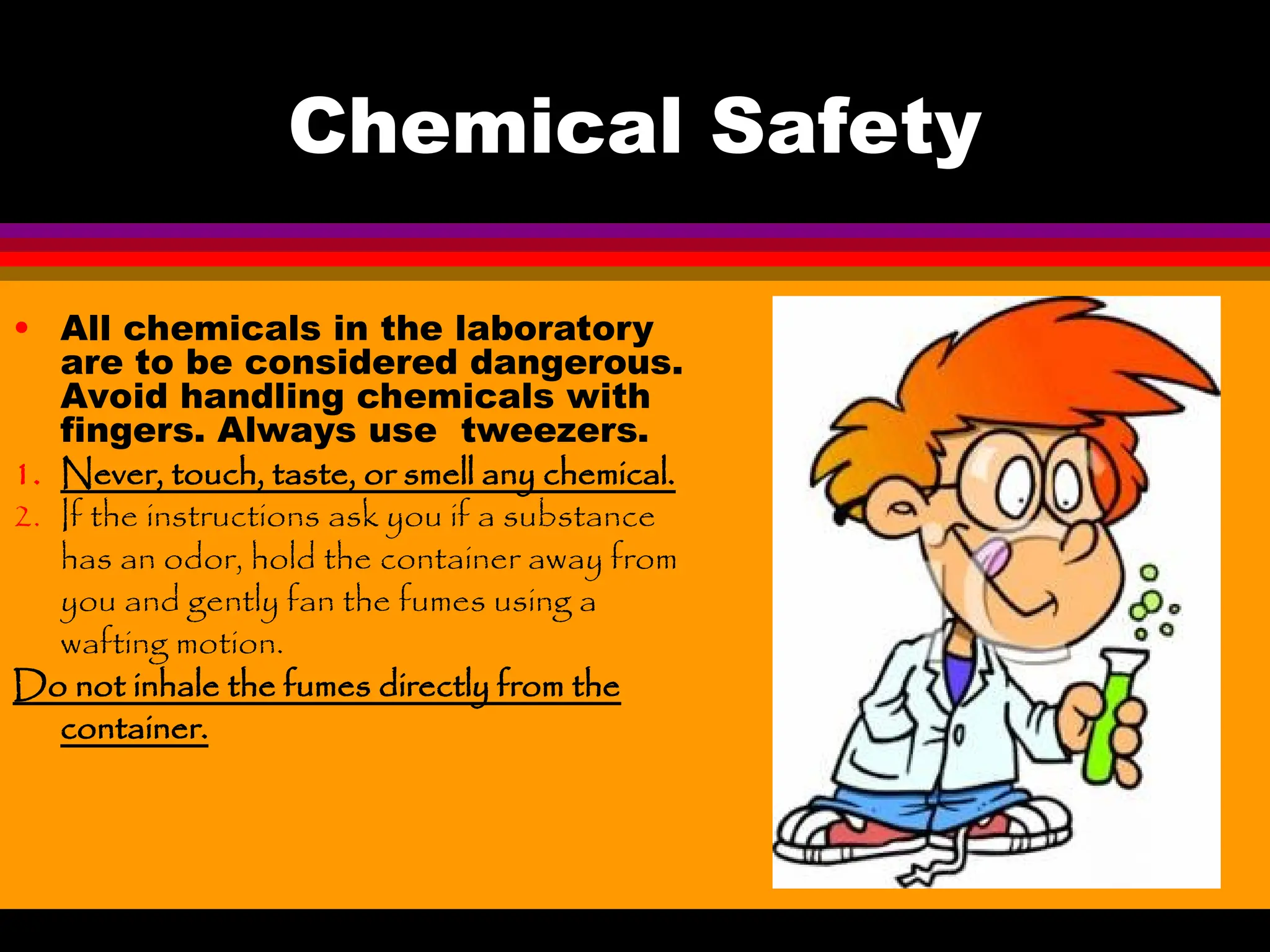
Pesticides may be synthetic, meaning they are developed in industrial laboratories. In safety culture, the principle that All chemicals in the lab are to be considered dangerous reinforces careful handling and risk assessment of such compounds.
Alternatively, organic pesticides — also known as biopesticides — originate from naturally occurring substances, though they may also be reproduced in laboratory environments for agricultural use.
Synthetic pesticides
Synthetic pesticides are engineered to:
- remain stable
- have an extended shelf life
- be easily transported and applied
They are also formulated to effectively target pests while maintaining relatively low toxicity to non-target species and the environment.
Major classes of synthetic pesticides include the following (1 ):
- Organophosphates. Insecticides that affect the nervous system. Several have been banned or restricted because of toxic accidental exposures.
- Carbamates. These also act on the nervous system but are generally less toxic, as their effects diminish more rapidly.
- Pyrethroids. Laboratory-produced versions of a natural compound found in chrysanthemums, they disrupt nervous system function.
- Organochlorines. Including dichlorodiphenyltrichloroethane (DDT), many have been banned or limited due to environmental harm.
- Neonicotinoids. Used primarily on leaves and trees, these are under EPA review because of concerns about unintended impacts on bees.
- Glyphosate. Known commercially as Roundup, this herbicide is widely used in genetically modified crop systems.
Organic or biopesticides
Organic agriculture utilizes biopesticides — substances derived from natural sources that evolved within plants or microorganisms.
The EPA provides a list of registered biopesticides , and the USDA maintains a national list of approved and restricted substances.
Examples of notable organic pesticides include:
- Rotenone. An insecticide derived from tropical plants and often combined with other organic pesticides; it is highly toxic to fish.
- Copper sulfate. Used to eliminate fungi and certain weeds. Though classified as a biopesticide, it is industrially manufactured and can be toxic at elevated levels.
- Horticultural oils. Plant-based oil extracts with insecticidal properties. Their composition varies, and some may harm beneficial insects such as bees (2 ).
- Bt toxin. Produced by bacteria and effective against specific insects; incorporated into some GMO crops.
This overview underscores two essential points.
First, “organic” does not equate to “pesticide-free.” It refers to pesticides derived from natural sources rather than synthetic chemicals.
Second, “natural” does not automatically mean “non-toxic.” Like their synthetic counterparts, organic pesticides may also pose risks to health and the environment.
SummarySynthetic pesticides are developed in laboratories, whereas organic or biopesticides originate from natural sources but may also be lab-produced. Natural does not necessarily mean safe.
How are pesticide levels in foods regulated?
Various research methods are used to determine harmful exposure levels for pesticides.
These include measuring pesticide concentrations in individuals accidentally exposed to high doses, conducting animal studies, and analyzing long-term health data from workers who regularly handle pesticides.
From these data, scientists establish exposure thresholds considered safe.
The lowest dose that produces even subtle adverse effects is called the “lowest observed adverse effect level,” or LOAEL. The “no observed adverse effect level,” or NOAEL, is also used (3 ).
Regulatory bodies such as the World Health Organization, European Food Safety Authority, U.S. Department of Agriculture, and Food and Drug Administration rely on this information to define acceptable exposure limits.
To enhance consumer protection, they typically set allowable thresholds 100–1,000 times lower than the LOAEL or NOAEL (3 ).
SummaryRegulatory agencies set highly conservative pesticide safety limits, often far below the lowest levels known to cause harm.
How reliable are the safety limits?
Debate continues regarding the reliability of current tools and methodologies used to determine pesticide safety thresholds.
Some experts argue that regulators may rely on incomplete or inconsistent datasets when establishing limits (4).
For example, the EPA initially set the NOAEL for chlorpyrifos at 0.03 mg/kg. After incorporating previously omitted data, researchers revised the NOAEL to 0.014 mg/kg (5).
Additionally, some toxicity data come from industry-funded studies, which may carry a higher risk of bias (6).
Another consideration is the presence of heavy metals, such as copper, in certain pesticides. These metals can accumulate in the body over time.
One study involving 162 vineyard workers found blood concentrations of lead, zinc, and copper that were 2–4 times higher than those of a control group (7 ).
Conversely, soil research from India reported no increased heavy metal accumulation compared with pesticide-free soil (8).
Critics also note that subtle, chronic health effects may not be fully captured by current testing models.
Nevertheless, exceeding regulatory thresholds appears uncommon. A Canadian analysis of 3,188 food samples found only 1.3% above the maximum residue level for glyphosate (9).
Similarly, a European Union report indicated that 97.2% of samples were within legal limits or had no quantifiable residues (10).
SummaryAlthough safety limits are designed conservatively, concerns remain about data quality and potential long-term health effects.
What are the health effects of high pesticide exposure?
At doses exceeding those typically present on produce, both synthetic and organic biopesticides can have harmful health consequences.
Research suggests pesticide exposure may be associated with an increased risk of Parkinson’s disease and changes in genes involved in its development (11 ).
Meta-analyses have also linked exposure to a higher risk of Alzheimer’s disease (12 ).
Additional studies indicate associations between pesticide exposure and certain cancers, including breast, thyroid, ovarian, prostate, lung, and liver cancer (13 –17 ).
SummaryHigh levels of pesticide exposure have been associated with neurodegenerative diseases and multiple types of cancer.
What are the effects of pesticide exposure in children?
Evidence suggests children may be particularly vulnerable to pesticide exposure.
Acute, high-level exposures have been associated with cancer, attention deficit hyperactivity disorder (ADHD), and autism (18, 19 ).
Even low-level exposure may negatively influence neurological and behavioral development (20 ).
However, not all studies show consistent findings, and more research is needed.
SummarySome research links pesticide exposure in children to developmental and neurological concerns, though findings are not uniform.
How much pesticide is on food?
The World Health Organization has conducted extensive reviews of pesticide residues in food (24 ).
Data from multiple countries show that only a small percentage of food samples exceed legal safety limits, and even then, levels are typically not high enough to cause immediate harm.
Cooking, processing, peeling, and washing can significantly reduce pesticide residues. Washing with tap water alone may lower levels by 60–70% (29 ).
Still, because some pesticides penetrate beneath the surface, additional cleaning methods may sometimes be necessary (30 ).
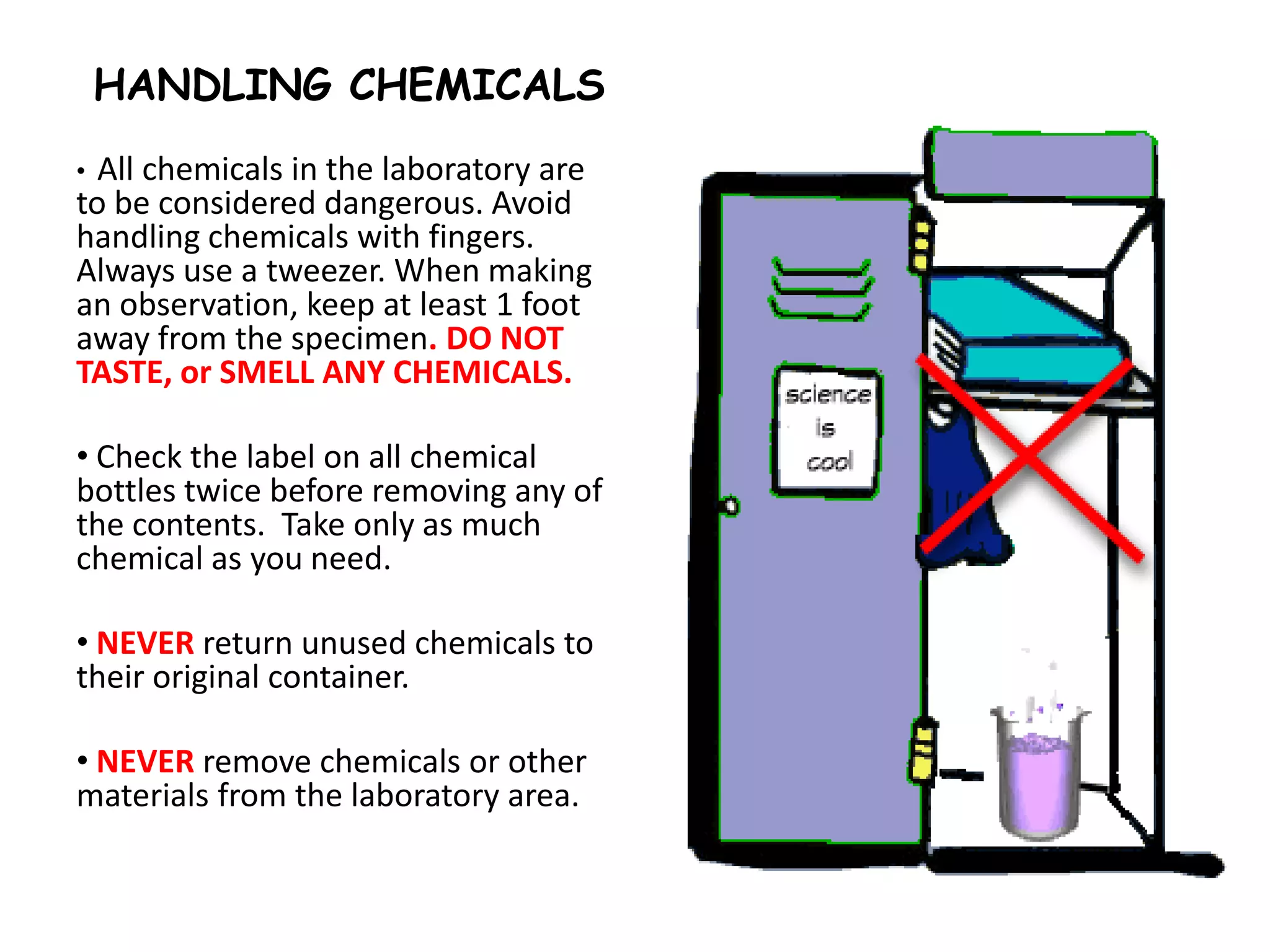
Laboratory safety reminders — such as the idea that Hot glass looks the same as cold glass or questions like Hot glass looks the same as cold glass true or false — reflect the broader principle that potential hazards are not always visible, reinforcing why residue monitoring is important.
SummaryPesticide residues in food are generally below regulatory limits and can be further reduced through washing, cooking, or peeling.
Are there fewer pesticides in organic foods?
Organic produce typically contains lower levels of synthetic pesticides, resulting in reduced synthetic pesticide biomarkers in urine (31 ).
However, organic foods may contain higher levels of certain biopesticides, such as rotenone or copper-based compounds (33).
The overall health impact depends on the specific pesticide and the exposure dose.
SummaryOrganic produce usually has fewer synthetic residues but may contain natural biopesticides, which are not inherently risk-free.
Are there fewer pesticides in GMOs?
Genetically modified organisms (GMOs) are engineered to enhance traits such as pest resistance (37 ).
Because some GMO crops produce their own pest-resistant compounds, they often require fewer external pesticide applications (39 ).
Comprehensive reviews have found limited evidence that GMOs are harmful to human health (40).
SummaryGMOs may reduce pesticide use, and current evidence does not show significant health risks from consuming them.
Should you avoid foods using pesticides?
Some individuals limit pesticide exposure for environmental or health reasons. Children may warrant particular consideration due to developmental sensitivity.
Strategies to reduce exposure include washing, peeling, cooking produce, purchasing organic options, or buying from local farmers and discussing their pest management practices.
Importantly, extensive scientific evidence confirms that consuming fruits and vegetables — whether organic or conventional — provides substantial health benefits (45 ).
Avoiding produce altogether due to pesticide concerns may do more harm than good.
SummaryReducing pesticide exposure is possible through food preparation and informed purchasing, but fruits and vegetables remain essential for good health.
The bottom line
Pesticides play a central role in modern agriculture by protecting crops from weeds, insects, and disease.
Both synthetic and organic biopesticides can have environmental and health impacts, particularly at high exposure levels.
Although safety limits are conservatively set, uncertainties remain regarding long-term effects.
Nonetheless, fruits and vegetables are nutrient-dense and contribute to disease prevention when included in a balanced diet.
Making informed choices, washing and preparing produce properly, and staying aware that All chemicals in the lab are to be considered dangerous can help you approach food safety thoughtfully while still prioritizing overall health.
Frequently Asked Questions
Pesticides are chemical agents used to manage or eliminate organisms like weeds, insects, and fungi that can damage crops. They help increase agricultural yield and food quality by controlling these pests.
No. Organic foods are not pesticide-free. They use biopesticides derived from natural sources, which are still chemicals and may carry potential risks to health and the environment.
Regulatory bodies like the WHO, FDA, and USDA set strict safety limits, often 100 to 1,000 times lower than the lowest levels known to cause harm in studies, to protect consumers.
Yes. Washing, peeling, and cooking can significantly reduce pesticide residues. Washing produce with tap water alone may lower residue levels by 60–70%.
No. The health benefits of consuming fruits and vegetables far outweigh the potential risks from low-level pesticide residues. Avoiding produce can do more harm than good to your overall health.
Read Next

What’s the Best Antiseptic for Open Wounds? Iodine, Peroxides, and More

Multiple Sclerosis vs. Fibromyalgia: Differences in Signs and Symptoms

Is There a Relationship Between Menopause and Body Odor?

What Are Licorice Root's Benefits and Downsides?

About Prickly Pear Seed Oil

The 8 Best Eco-friendly Razors for a More Sustainable Shave
Related Posts

What Causes Peau D’Orange?
Aug 23, 2026 • 23 min read
6 Natural Treatments for Shingles
Sep 8, 2026 • 12 min read
What Are Skin Neoplasms?
Aug 2, 2026 • 15 min read
How to Remove and Prevent Moths in Your Home
Aug 16, 2026 • 35 min read
What You Need to Know About Vacuum-Assisted Wound Closure (VAC)
Jul 31, 2026 • 5 min read