

Your breasts are unique
When people discuss breast dimensions, they frequently refer to bra sizing. In the United States, the typical bra size is 34DD. However, an average size doesn’t automatically mean that size is the “normal” size for everyone.
Average breast size differs by country. For instance, in the U.K. the average is around 36DD. But nailing down a single “average” number isn’t as straightforward as it seems.
We usually treat average breast size as a gauge of natural busts. Yet as average sizes climb over time, it’s possible that augmented breasts are being counted in those figures as well.
Continue reading to learn how breasts are measured, what factors affect bust size, reasons sizes fluctuate, and more.
Are these figures actually reliable?
To use bra sizes as an accurate measure of average breast size, everyone would need to agree on which bra sizes correspond to which breasts.
But we don’t have a universal consensus on correct bra sizing.
In fact, an estimated 80 percent of people wear the wrong bra size. Many remain unaware for several reasons.
For example, your bra size may have been measured incorrectly.
Different retailers use varying measurement techniques, and simple human error can mislead you. Bra sizes also differ between brands.
Your breasts themselves can change dimensions over time.
So if you’ve been in a 38C for years or you’re trying a new brand, it might be worth getting remeasured.
How to determine your bra size
You’ll need three separate measurements to figure out your bra size, including:
- circumference across your breasts (bust)
- circumference around your torso (band)
- overall breast volume (cup)
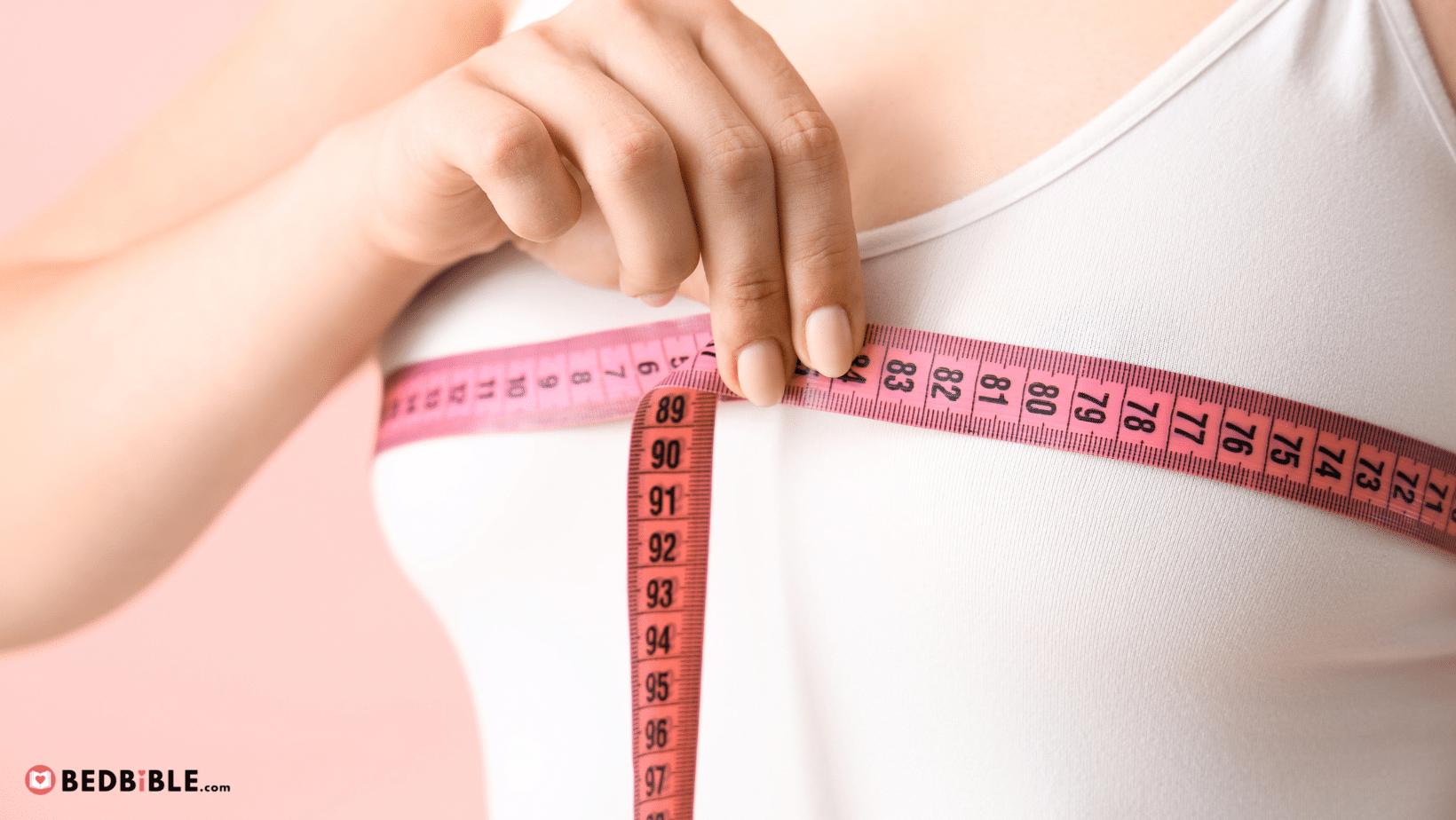
To get your bust measurement, wrap a tape measure around the fullest part of your breasts — usually over the nipples — while wearing an unpadded bra.
Your band measurement is the tape length around your ribcage just beneath your bust.
Find your cup size by subtracting your band measurement from your bust measurement. Use a sizing chart to map that difference to a cup letter.
Is there an ideal size?
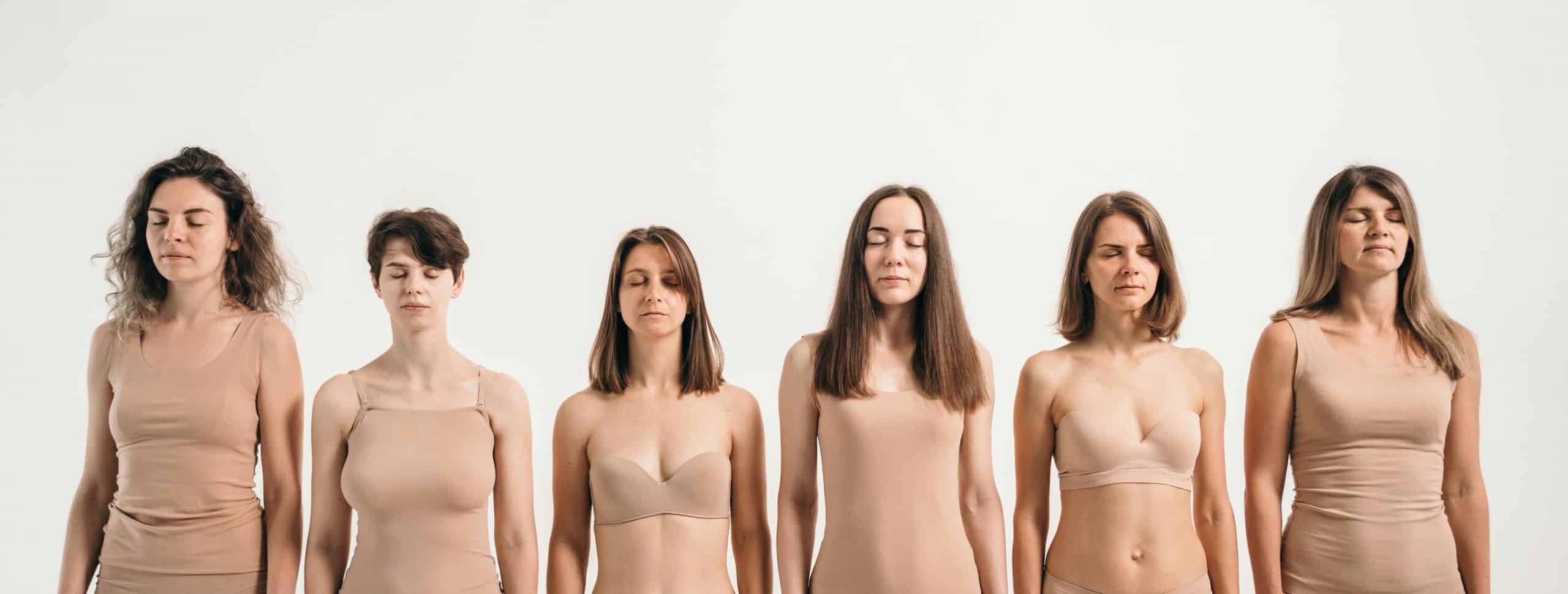
Knowing how your breasts compare to average sizes is one thing. But are your breasts the “right” size?
That answer depends on how you feel. The most important consideration is whether you’re comfortable with your breast size.
Researchers at medical site Zava attempted to identify what people view as an ideal breast size.
A survey of over 2,000 people found that roughly 60 percent of men and 54 percent of women consider average-sized breasts more attractive.
When asked for specifics, about 53 percent of women and 49 percent of men indicated a preference for a C cup.
That said, nearly 70 percent of participants said they are satisfied with their partner’s breast size.
Ultimately, other people’s opinions are less important than your own comfort and confidence.
What determines breast size?
Genetics are the primary factor shaping the size and contour of your breasts.
Other influences include:
- Weight. Fat tissue contributes significantly to breast volume and density, so body weight matters.
- Exercise. Pectoral workouts like push-ups and bench presses build the muscle beneath the breast tissue. This doesn’t actually enlarge the breasts, but it can give them a firmer, perkier appearance.
- Breastfeeding and pregnancy. Hormonal shifts can cause breast swelling during pregnancy, and many people’s breasts enlarge further when breastfeeding.
Can your breast size change over time?
Your breasts will change as your body naturally evolves.
You might notice monthly variations in size tied to your menstrual cycle.
For example, many people report breast swelling in the days before their period.
You may also find your breasts settle into a new size or shape after pregnancy or breastfeeding.
While some return to their pre-pregnancy size, it’s common to experience permanent changes.
Because breasts contain fatty tissue, gains or losses in body weight can alter breast size.
More body fat can lead to larger breasts, while losing fat can reduce breast size.
Breast tissue also tends to sag with age, so the size and silhouette of your breasts can shift as you get older.
Is there a connection between breast size and breast cancer?
You may have encountered headlines suggesting larger breasts increase breast cancer risk, but that interpretation is misleading.
A closer examination shows that elevated breast cancer risk is associated with factors like family history, body weight, and estrogen levels — not a particular bra size.
Researchers have not established a definitive link between breast size and breast cancer.
Are there other conditions associated with breast size?
Several health issues can affect the breasts, including cysts, mastitis (inflammation), and skin problems such as eczema or acne.
These conditions are usually tied to genetics and hormones rather than breast size itself.
However, people with very large, heavy breasts may experience certain physical drawbacks.
Excessively large breasts can contribute to shoulder, neck, and back pain, headaches, shortness of breath, and posture problems.
What if you want to change your breast size?
Looking to reduce or increase your breast size? Surgical options include reduction or augmentation.
If you want reduction
For smaller breasts, consider breast reduction surgery.
A plastic surgeon removes surplus tissue, fat, and skin to create a smaller bust.
You can begin by contacting a surgeon through the American Society of Plastic Surgeons or The American Board of Plastic Surgery.
Your surgeon will arrange a consultation to examine your breasts, assess your overall health for surgery, and determine whether reduction is a suitable option.
If you want augmentation
To increase breast size, look into breast augmentation, commonly called implants or a “boob job.”
A surgeon enlarges the breasts by placing implants or transferring fat from another body area.
As with any surgical procedure, it’s essential to choose a qualified, board-certified surgeon.
Locate potential surgeons via the American Society of Plastic Surgeons or The American Board of Plastic Surgery. Once you identify a surgeon, review patient feedback.
Be sure to schedule a consultation so you can ask questions and ensure you’re comfortable with the surgeon before proceeding.
The bottom line
Regarding your health and comfort, matching the average breast size is far less important than finding what feels right for you.
You may be entirely content with your breast size, regardless of how it compares to others.
Alternatively, you can experiment with clothing cuts, bra styles, and even makeup to alter the appearance of your breasts and boost self-assurance.
Whether you refer to them as your boobs, tits, or give them playful names like Thelma and Louise, your breasts are yours to appreciate.

















Leave a Reply
You must be logged in to post a comment.